Flashbacks to the inspiration of the London 2012 Paralympics – joining in the celebrations for National Paralympic day 2014

A week ago I was waiting for my tube train to arrive and I spotted a poster – National Paralympic Day 2014. I went home and googled it and that’s it, I was sold!

After a few text message conversations, a friend and I made a (slightly too) early start and headed down to where it was all happening. When we got there a festival awaited.

I had managed to secure some tickets to go into the Aquatics Centre. This was the first time some of a paralympians were in action since 2012 and the atmosphere inside was electric. One of the big things that stand out for me about the Paralympics was watching and cheering on some of our athletes who clearly had hurdles to face on a daily basis. Their courage and determination is incredible, and on Saturday this spirit was on display again. We cheered on our girls and boys and watched some great victories.
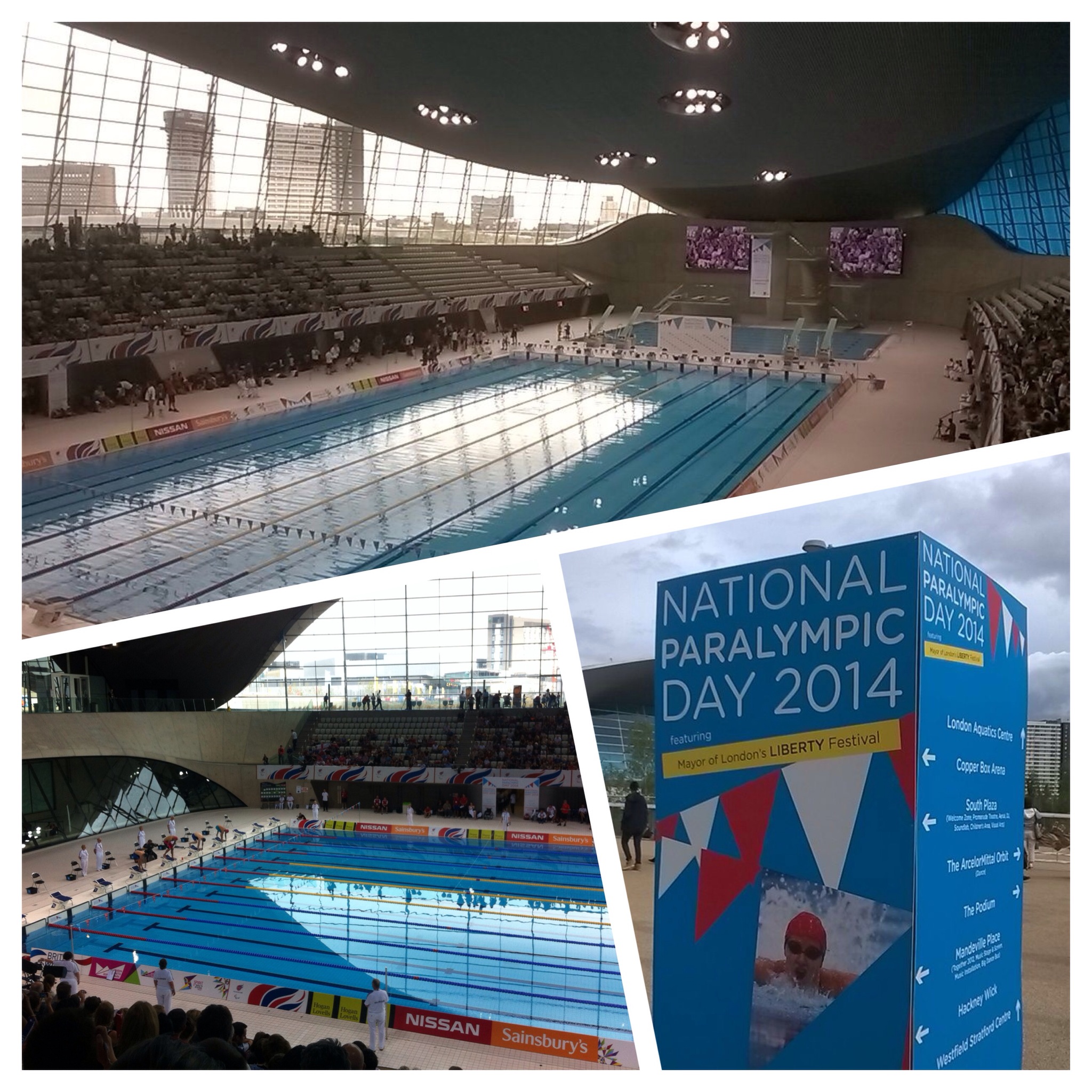
Swimming at its best - go Team GB!

Swimming at its best – go Team GB!

After a pit stop for lunch I said goodbye to my friend and continued wandering. The Liberty Festival (as part of the day) was by this point in full swing. I initially went into the Copper Box (dubbed during the Paralympics as “The Box that Rocked”) and saw Team GB beat Belgium in a closely fought GoalBall match. Goalball was new to me, but the level of skill in playing a ball game without sight / blindfolded is so admirable. I was on the edge of my seat!
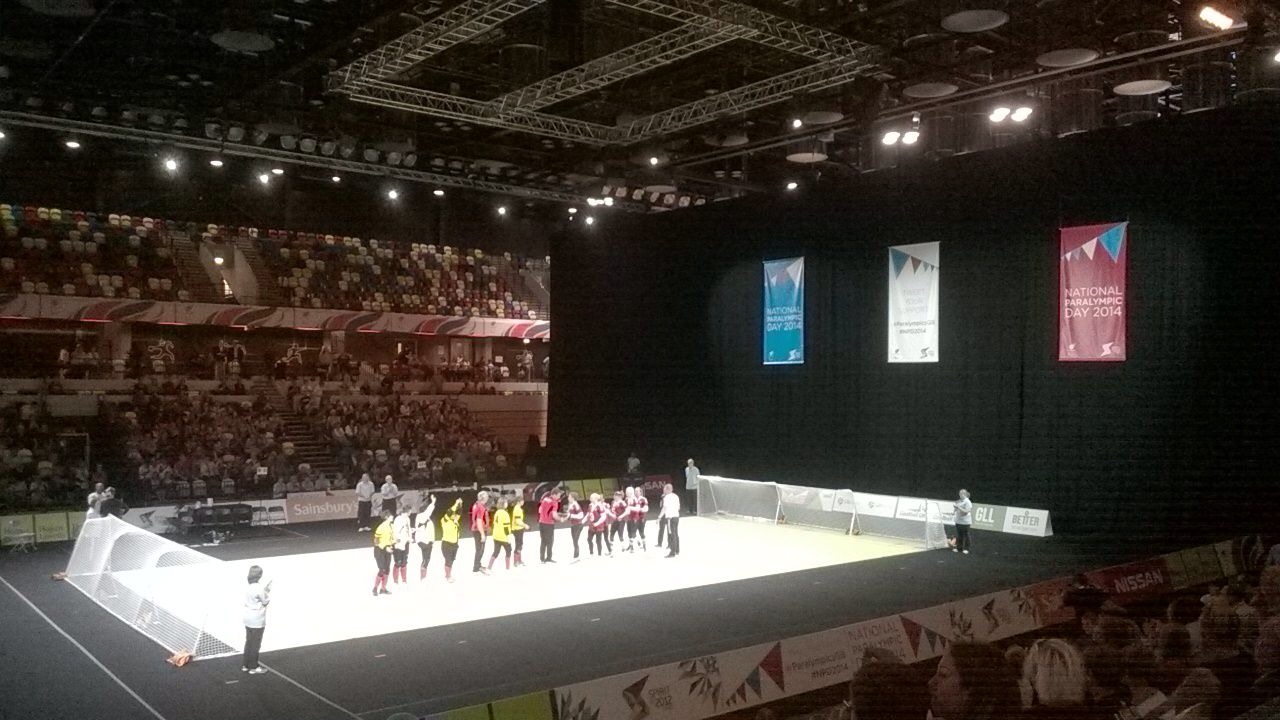
We won!

We won – taking a bow!

Outside “The Box That Rocked” there was so much going on. Artists were painting with their mouths and feet (better than I could ever dream of!) Boccia England were giving everyone the chance to learn about the intricacies of the sport and wheelchair ballroom dancing was taking place – awesome! I joined in from afar, as did the majority of the audience.

The sense of inclusion for everyone was very special. There was such an amazing vibe during the day. This is the second year the day has been celebrated at the park, and I for one intend going every year from now on. There were visitors there with all sorts of abilities, and all with something special to give. Paralympians wandered the park in their Team GB kit, and whilst they weren’t wearing their gold London 2012 medals it wouldn’t have been out of place if they had have been. With so much going on at times it was hard to know where to look.

GoalBall lessons, Boccia and my favourite, Ballroom Dancing!

GoalBall lessons, Boccia and my favourite, Ballroom Dancing!

As an aside, for me it was the first time I had visited the Olympic Park, now known as the ‘Queen Elizabeth Olympic Park’ since the Paralympic games back in 2012. The changes to (and demolition of) some of the venues plus what was happening to the grounds had been much debated on the London news networks. I hoped I would be as impressed with the legacy of the park as I was with its original form. The park has been open for several months, but it was the first opportunity I’d had to visit, and I can honestly say I was not disappointed. The landscaped gardens and trees are now well established, and large areas of the concourse have been opened up to reveal the waterways below.  It is clear that the stadium is still undergoing its transformation, but the Aquatics Centre is fanatastic and the velodrome the beautiful building I remembered.
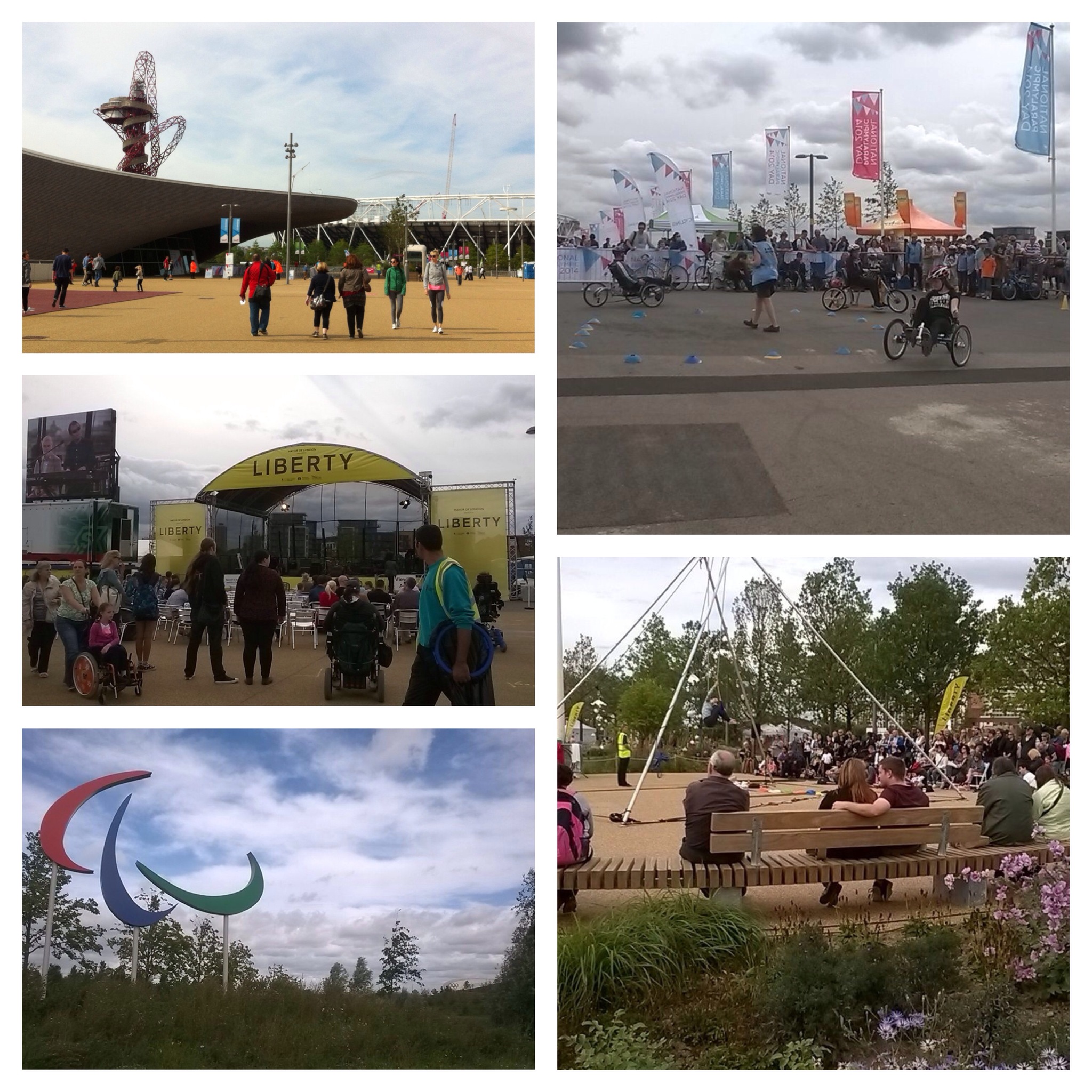
So much going on and such a great vibe

So much going on and such a great vibe

Now my closing confession is I do love going round old Olympic stadia. Dean has been marched round the Olympic villages of Seoul and more recently Beijing with me. Whilst both have been amazing, they have lacked a little of the ‘va va voom’ that they once had. I suspect it was way more than the sense of occasion on Saturday that meant that the Queen Elizabeth Olympic Park still has that something special. Something that you can’t put your finger on but my goodness, London you still have it! As for the athletes – your courage is amazing and your skill just incredible. Keep up the good work and see you next year for National Paralympic Day 2015!

– Natalie

Our Favourite European Underground Systems

One of the most rewarding challenges of exploring a new city is mastering the local public transport system. In Europe we have them all, the good, the bad and the downright confusing! This week we look at some of our favourite undergrounds from around the continent.

 1. The London Underground

Ok so maybe we are a little biased as it is our hometown, but ‘The Tube’ not only is the oldest underground in the world, one of the most used undergrounds in the world but also regularly voted one of the best undergrounds in the world. All Londoners’ have a love hate relationship with the Tube but without it we would be in a whole world of trouble, just try and get anywhere when there are line closures for maintenance works! In fact it is only when it is shut or not working do we truly realise how much the city relies on it. Best bit of advice, buy an Oyster Card, fares are much cheaper than paying for a paper ticket, oh and don’t forget to ‘Mind The Gap’.

Going underground...

Going underground…

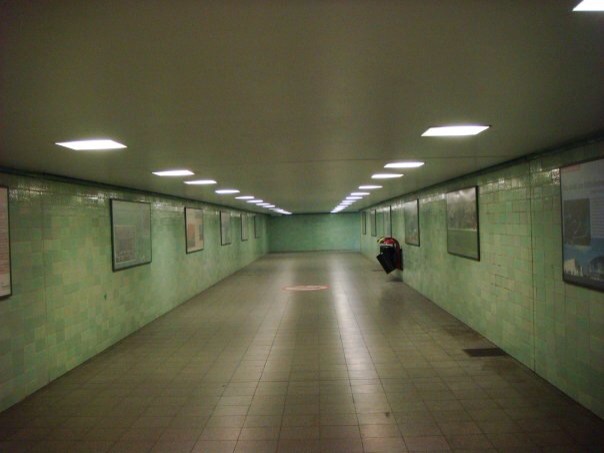
 2. Berlin U-Bahn & S-Bahn

Ever since living in Berlin I have always loved the rail network here. The rickety old carriages rattling along the tracks elevated above the roads below or perhaps trundling through the old ‘Ghost Stations’ from when the city was divided between east and west. When you are riding the Berlin metro it feels like any minute James Bond or Jason Bourne will come bursting through your carriage is some cold war spy drama. Our tip, check out the Mohrenstrasse station, the red marble walls come from Hitler’s former Reich’s Chancellery building, and don’t forget to validate your tickets before jumping on the train it is a hefty fine if you get caught!

One of Berlin's former 'Ghost Stations', closed off during the Cold War and division of the city

One of Berlin’s former ‘Ghost Stations’, closed off during the Cold War and division of the city

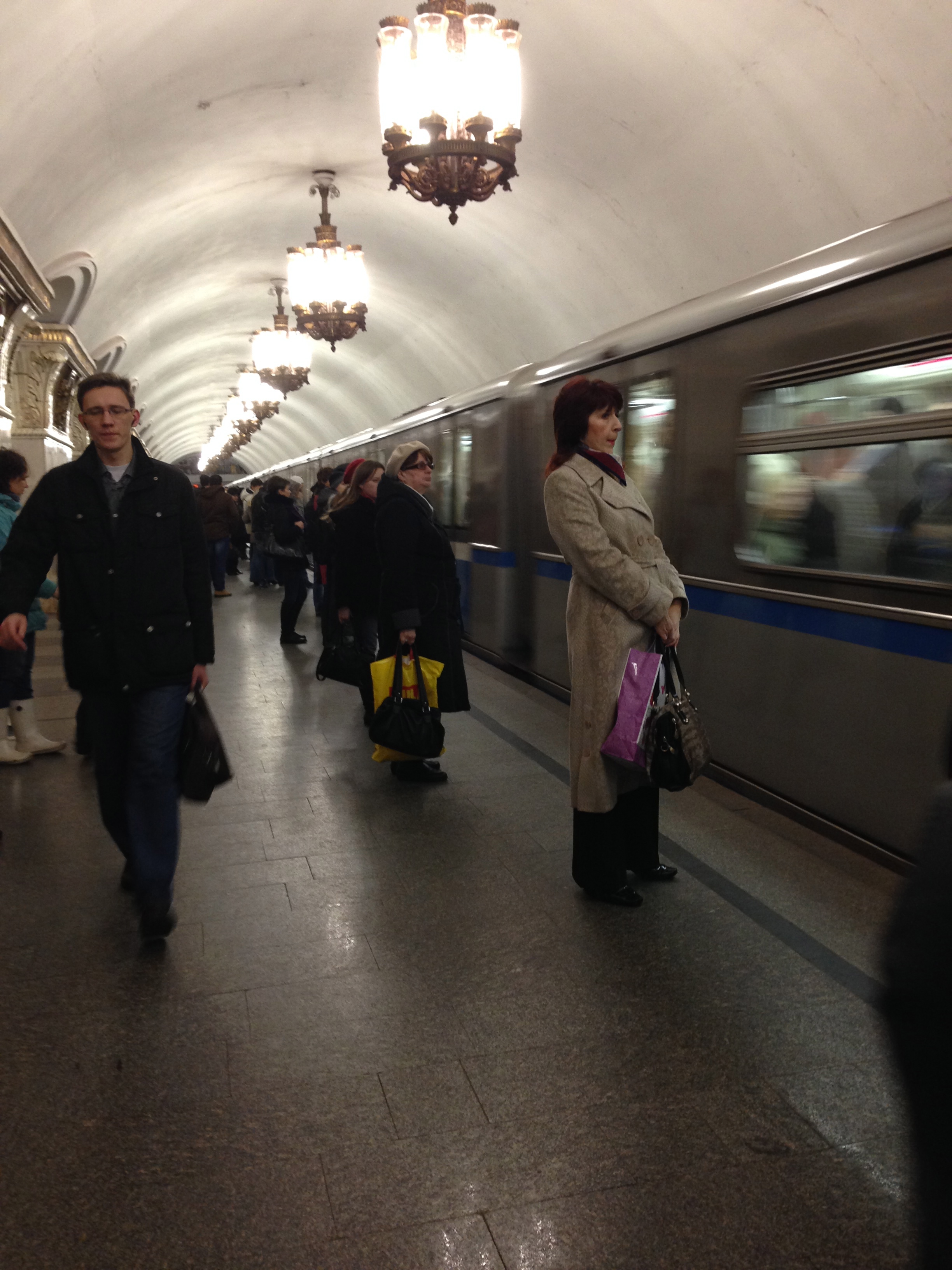
 3. Moscow Metro

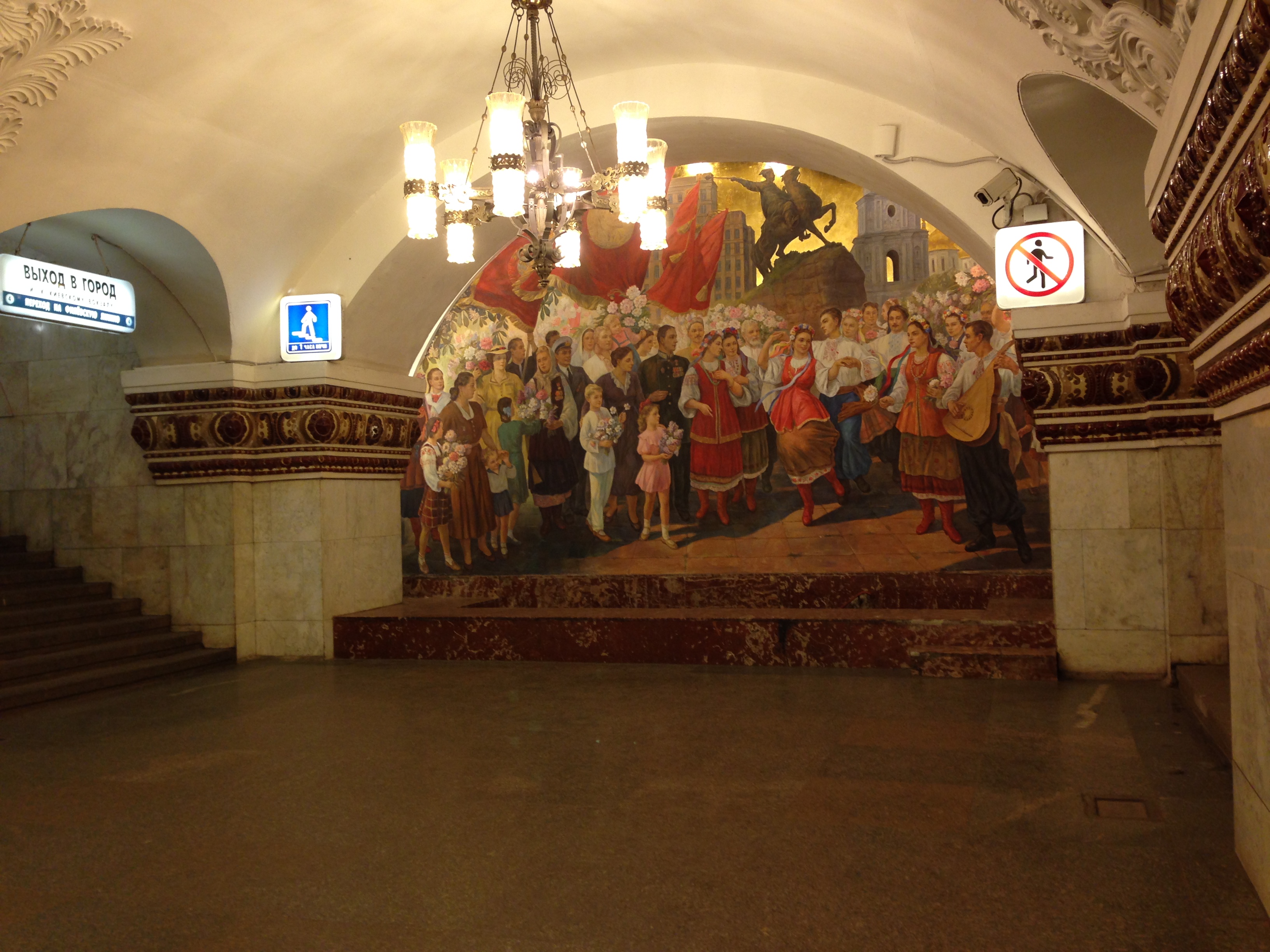
Difficult, confusing and amazing are just some of the words to describe Moscow’s enormous metro system. Built to showcase the might of the Stalinist Soviet Union, many of the metro stations look like they belong more in a palace than an underground. Finding the right stops can be tricky but rewarding with mosaics of Lenin, space aged themes and a statue of a soldier’s dog whose nose you rub (in the Red Square Metro) but a few treasures awaiting the brave! Our tip, get a good map and learn to read Cyrillic!

Waiting to board the Moscow Metro

Waiting to board the Moscow Metro

One of the many murals showing the strength of the former Soviet Union throughout the Moscow Metro

One of the many murals showing the strength of the former Soviet Union throughout the Moscow Metro

4. Budapest Metro

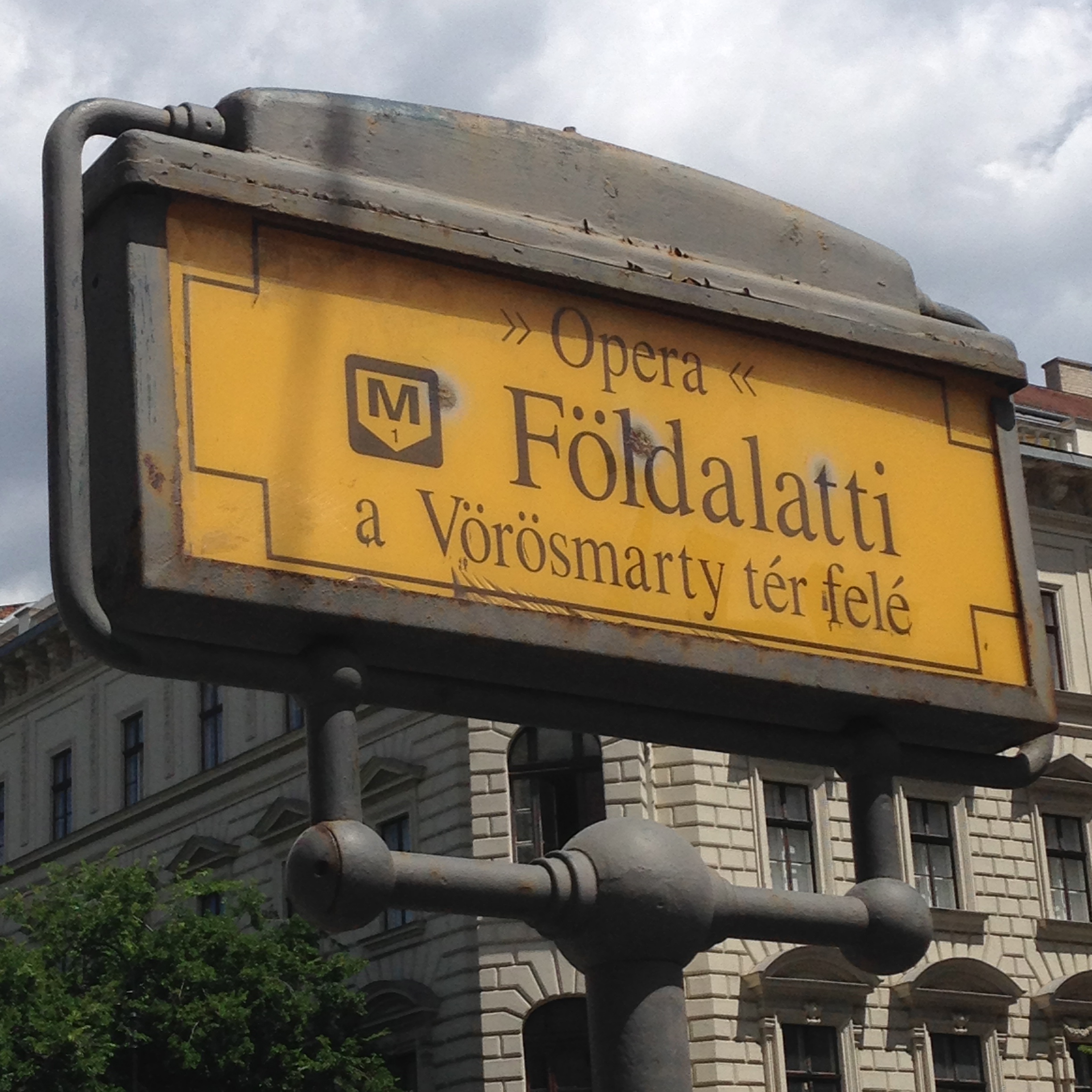
While not the best metro system in Europe it was the first on the continent, dating back to 1896. The reason we love this underground is the old communist feel when you go underground. Instead of turnstiles ore relying on German honesty, as soon as you validate your ticket at the validation box you are met by a handful of heavy set black clad metro guards demanding to see your validated ticket, (which they have just seen you validate). Then you head to the platform and you can almost guarantee to get checked again or perhaps as soon as the doors of your carriage close a badge is flashed “tickets please” yelled out and you are subjected to another check. Our record? In a three-stop journey we had our ticket checked five times! Better validate that ticket!

Entrance to the Budapest Underground, the oldest underground on the continent

Entrance to the Budapest Underground, the oldest underground on the continent

Do you have a favourite metro or underground in Europe, or better yet do you have a ‘worst’ underground or underground story? If so we would love to hear about it, leave a comment below or drop us a line on Facebook.


– Dean

Hometown Tourist: Travel Inspiration in the Heart of London

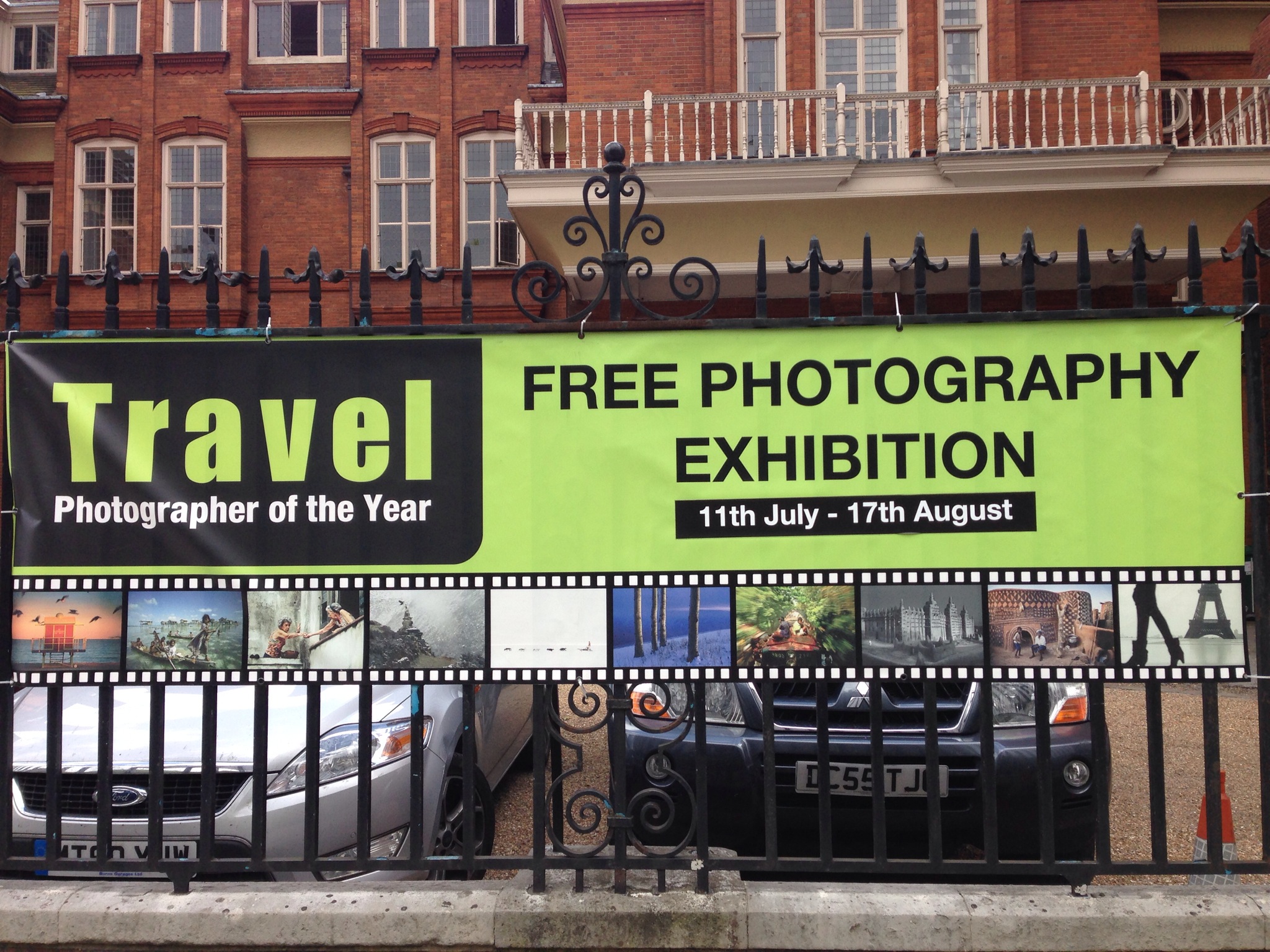
The best thing about living in London is there is always something going on regardless of what you are into. So with a day off work together and a quick Google search we discovered that the Travel Photographer of the Year exhibition was on at the Royal Geographic Society, how could we not go?!

The best thing about this exhibition is it is free!

The best thing about this exhibition is it is free!

The exhibition showcases the best photos and some honourable mentions of the 1000’s of photos that are sent to the Royal Geographic Society every year. From stunning landscapes, incredible wildlife shots and intimate local interactions, the winning photos come from all around the world.

Every year there are different briefs and categories and you can even win an award taking photos with your mobile phone. If ever you where in need of some travel inspiration, this exhibition is for you!

Set in the courtyard of the Society’s London headquarters, there are about 50 photos on display. Combine that with books on show of previous years’ award winners the exhibition makes for a great escape for an hour or two. There are umbrellas on hand should you need to borrow one (we did!) to continue browsing the pictures in the outside courtyard. Wandering around an outside gallery was a novelty in itself!

The Society's courtyard

The Society’s courtyard

Sadly the Exhibition finishes this Sunday (August 17th) before it begins to tour the UK and then the world. However it is a great prelude to our favourite photo exhibit every year, the Wildlife Photographer of the Year at the Natural History Museum which starts every October. If you have a spare hour at lunchtime, then its well worth a wander!


Our Favourite Wildlife Experiences So Far… Part 2

Last week we began looking at our favourite wildlife experiences around the world, if you missed part one you can catch up by clicking here.

This week we round out our list with five more of our best experiences around the world.

6: Snorkelling with Whale Sharks, Tofo Mozambique

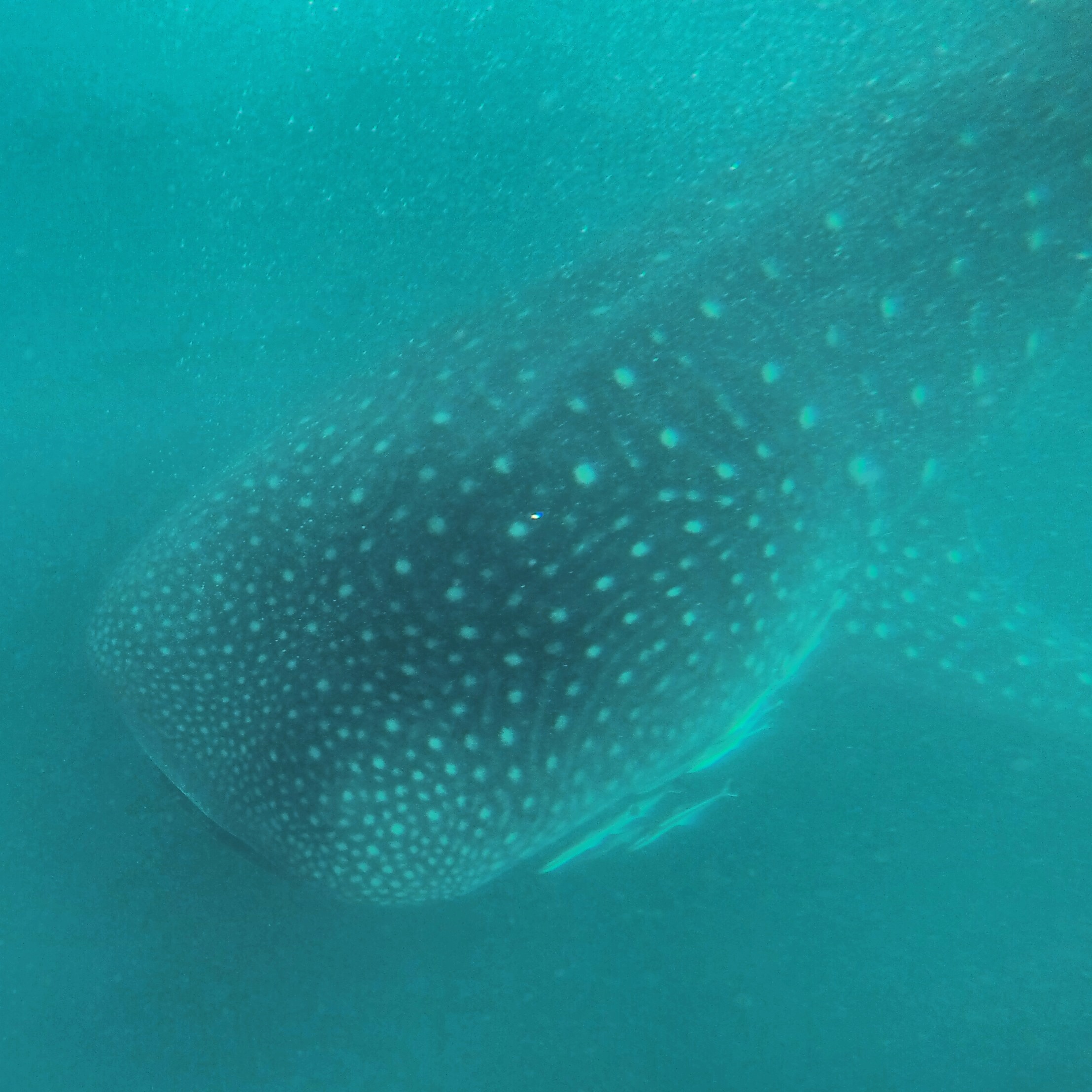
While we have been lucky to see them several times now, our first experience of the world’s largest fish really stands out. Their amazing markings and huge gapping mouths are stunning as they glide by almost in slow motion. Almost oblivious to your presence the grace with which they swim by looks out of place when compared to their size. When we were in Tofo the Beach Club had weekly seminars about whale sharks and manta rays, well worth sitting on if they still run.

The beautiful markings of the world's largest fish

The beautiful markings of the world’s largest fish

7: Chasing the Big 5 in South Africa

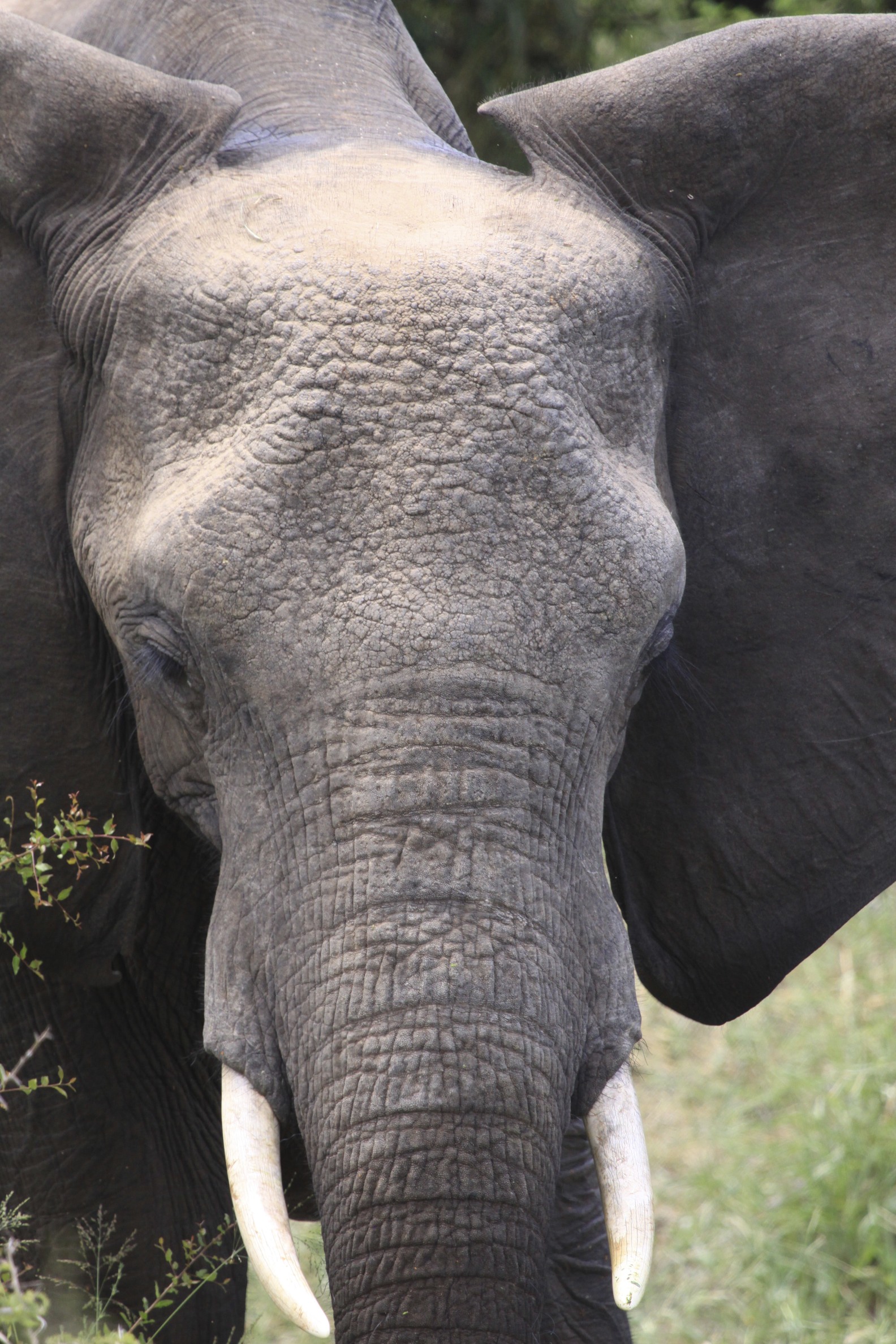
You can’t compile a great wildlife list without mentioning Africa and the Big 5. There are some great National Parks and reserves in South Africa to see Africa’s incredible wildlife. We loved Ado National Park for Elephants, we were almost trampled by a family when we couldn’t get our car started! Hluhluwe for Rhino spotting and you can’t miss out on Kruger. The best bit of advice we can give you is to sty in the parks overnight. We didn’t on a couple of occasions and really missed out, but when we did we had breakfast with elephants one morning and were woken by the roars of lions another!

One of the many elephants in the Kruger National Park

One of the many elephants in the Kruger National Park

8: Australia’s Unique Wildlife along The Great Ocean Road Victoria

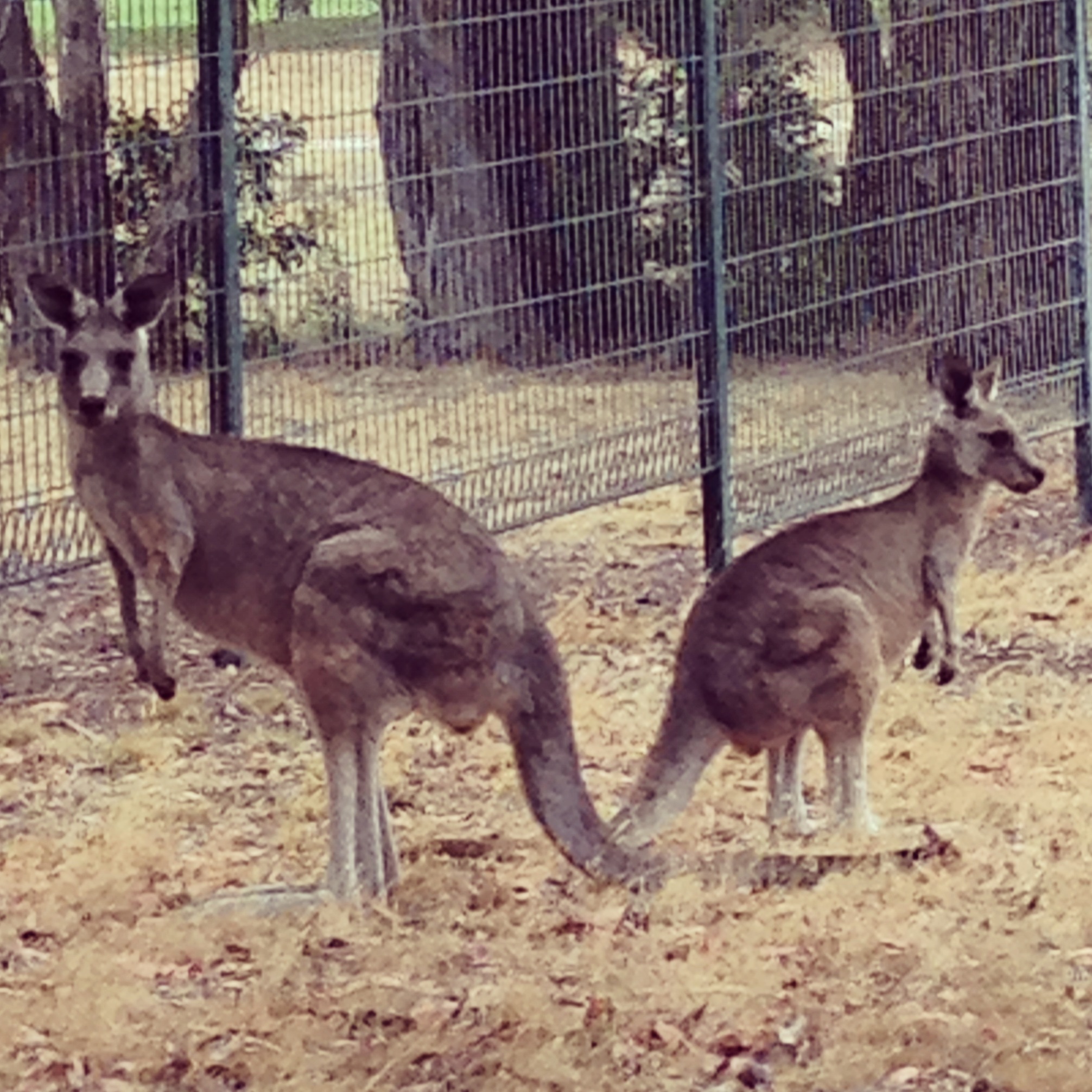
It is easy for me to pass judgement and say how amazing Australia’s wildlife is but I still get excited when I see kangaroos or koalas in the wild. From our ‘home base’ in Australia (thank you Mum and Dad) we can see kangaroos from the balcony at happy hour or a short drive sees them grazing on the local golf course! Koalas in abundance live along the great ocean road and there are some fantastic reserves and shelters for native wildlife.

Kangaroos on the local golf course along the Great Ocean Road

Kangaroos on the local golf course along the Great Ocean Road

9: Orang-utans in Borneo
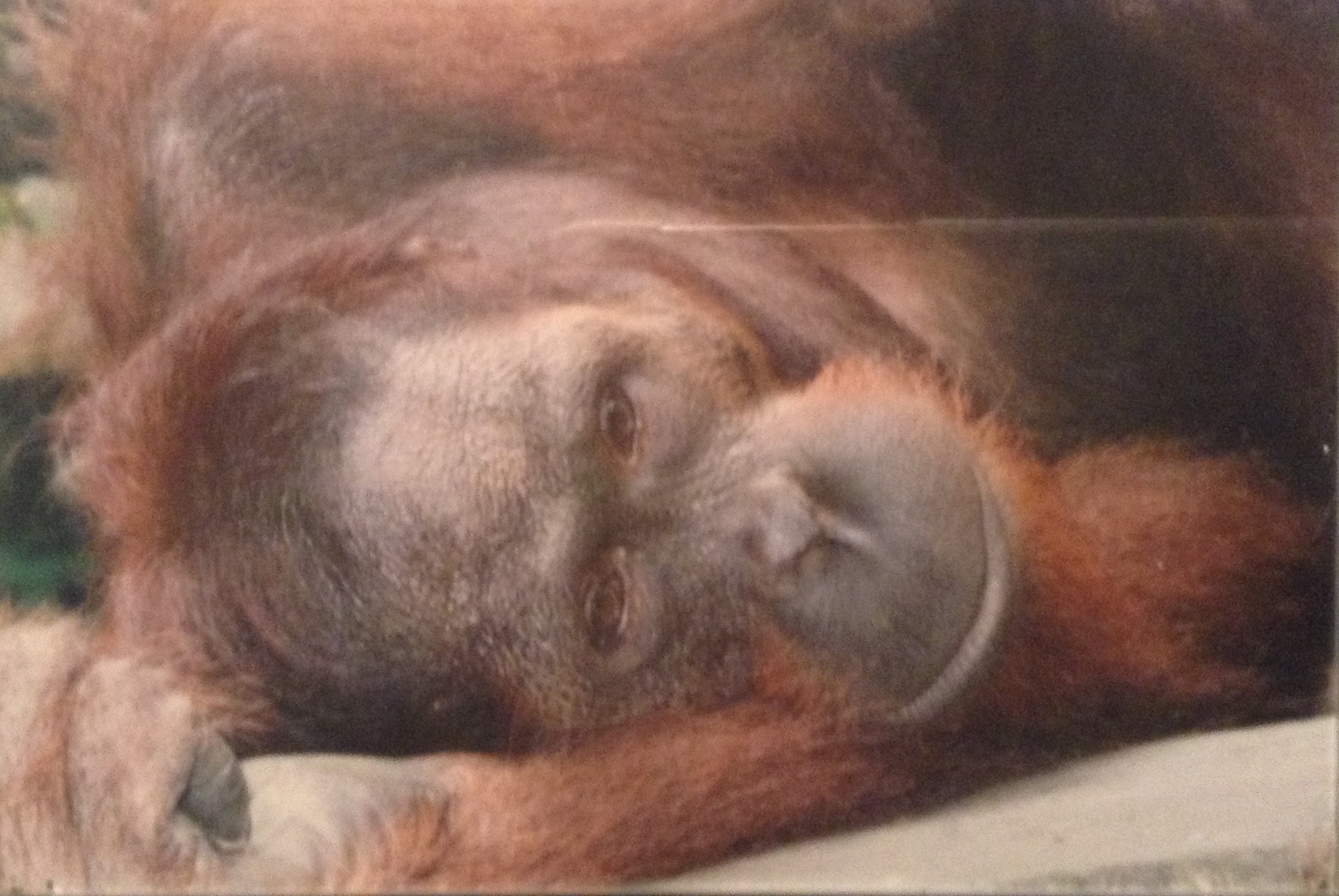
This is one of Natalie’s suggestions and unfortunately Borneo is still a place on my ‘to-go’ list.  Natalie said, “The famous Sepilok Orangutan Rehabilitation Centre in Borneo is known across the World for their efforts with Orang-Utan rehabilitation.  This fantastic centre provides a base to rehabilitate injured or orphaned animals, before a staged approach to reintegrating them into the 43 sq KM reserve begins.  As you walk through the reserve you see the Orang-Utans staring back at you – equally as interested in you as you are them!!  It’s impossible to forget their bright orange coat and distinctive stare.  Such beautiful creatures who so deserve to be protected”.

Minding his business - a snoozing Orang-Utan at Sepilok (taken on a film camera)

Minding his own business – a snoozing Orang-Utan at Sepilok (taken on a film camera)

10: THE WISHLIST: Manta Rays

While we have been incredibly lucky with our travels to see so many amazing animals in their natural habitat there is one that has eluded us, the Manta Ray. Whether it has purely been wrong place at the wrong time or adverse weather conditions they remain at the top of our animal bucket list. Guess that’s the beautiful thing about travel, the more you see the more you want to see, and that list never seems to get any shorter!

– Dean

South Africa 610

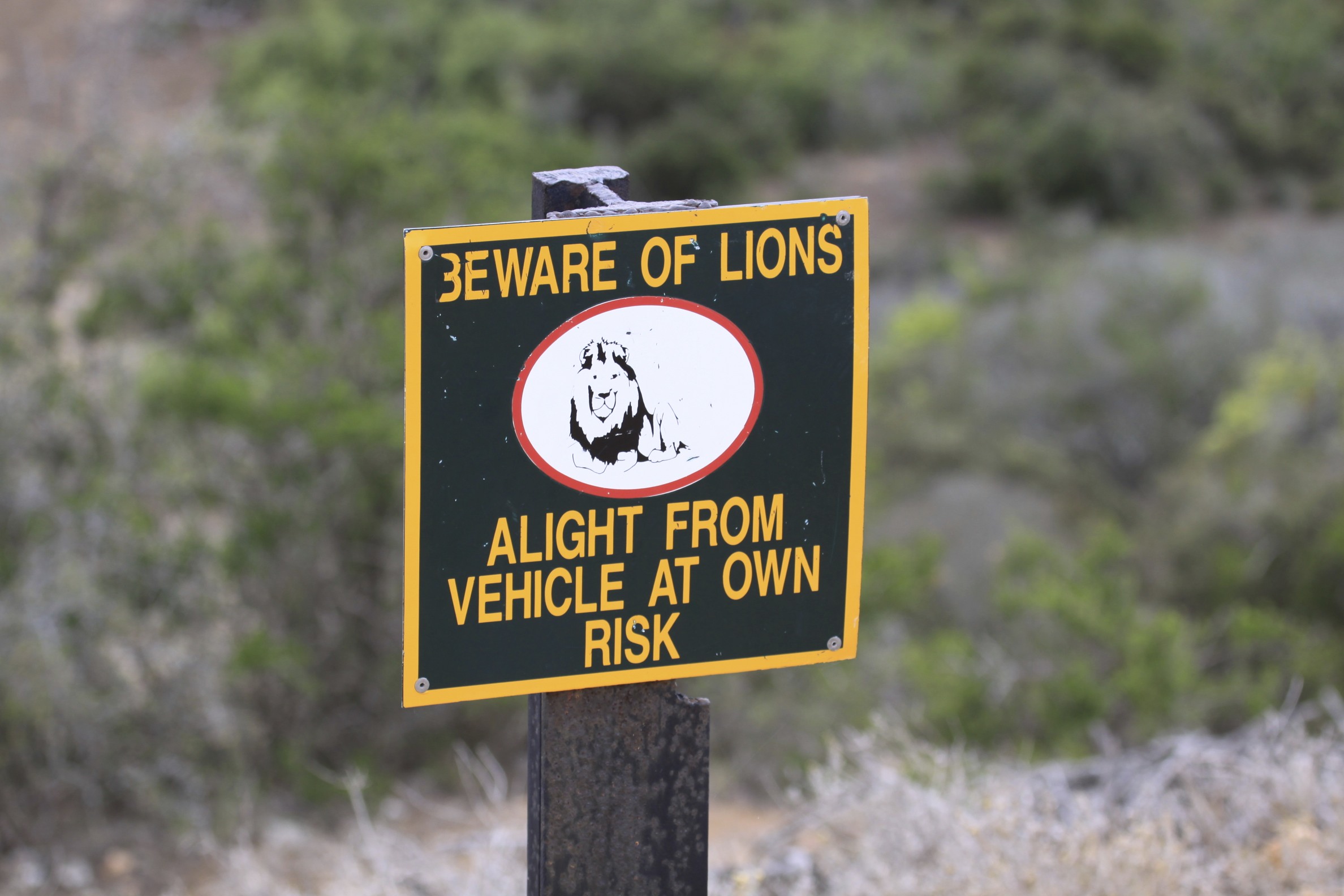
Just remember to watch where you go!

Just remember to watch where you go!

Our Top Wildlife Experiences So Far… Part 1

Nothing beats seeing wildlife in their natural habitat and over the years we have been lucky enough to see our fair share. From almost being trampled by a family of elephants in South Africa, searching for the elusive nocturnal Bamboo Lemur in Madagascar to the other worldliness of Antarctica, in this two part blog we explore our favourite wildlife experiences from our travels so far….

1: Mountain Gorillas in the Parc National des Volcans Rwanda

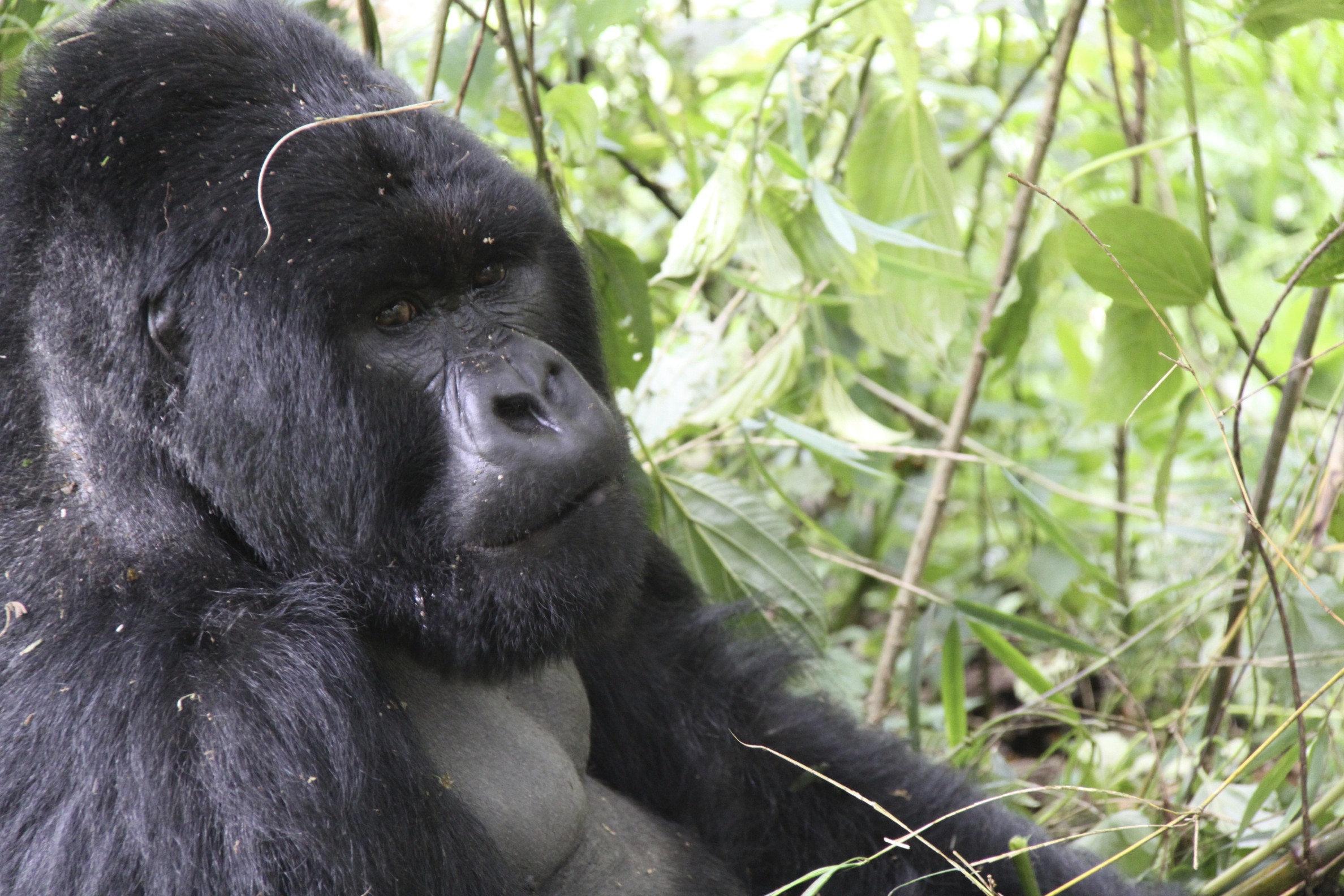
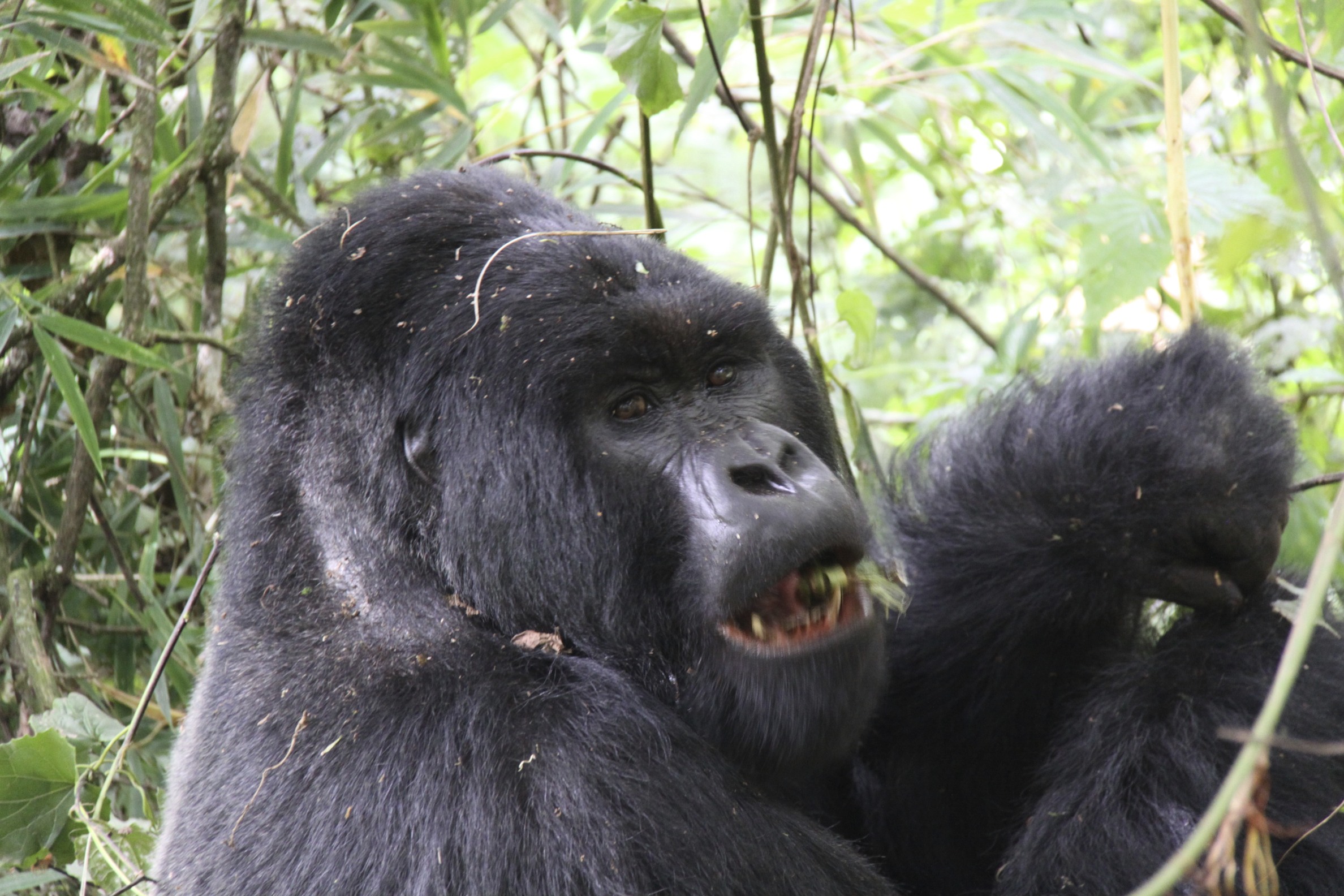
This would have to be one of the most amazing hours of our lives. We hiked for roughly an hour into the rain forests of the Parc National des Volcans in Rwanda to get up close and personal with one of mans’ closest relatives.

One of the most amazing hours of our lives.

One of the most amazing hours of our lives.

Visiting the Gorillas is strictly regulated, and rightly so, with less than an estimated 800 still in the wilds of Rwanda, Uganda and Democratic Republic of Congo. Only 10 visitors per day get to spend one incredible hour with a family watching them go about their business. Despite their size, (the males can weigh over 200 kg), they can be extremely quiet and the sound of them beating their chests was more like hollow drums being beaten than anything out of a King Kong movie.

Up close and personal with a 200kg Mountain Gorilla

Up close and personal with a 200kg Mountain Gorilla

They truly exhibit human like tendencies and when they make eye contact you can sense the intelligence behind those eyes.  It is an experience you will never forget. I never thought anything would top visiting Antarctica, I was wrong.

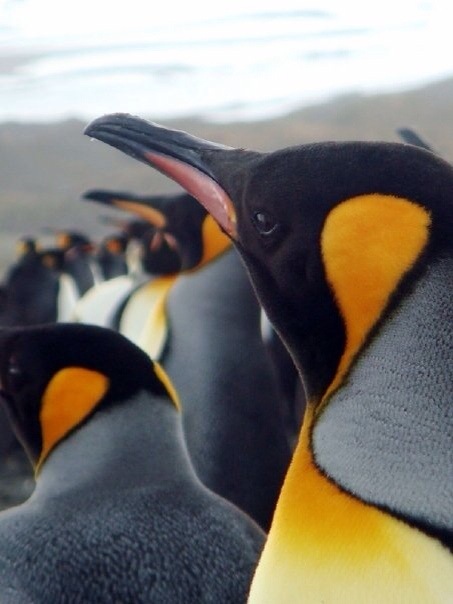
2: Penguins in Antarctica

Antarctica is like another world, virtually devoid of human interference and one of the few places in the world where nature rules supreme.

Just one of the colonies of Penguins to be found in Antarctica's harsh environment

Just one of the colonies of Penguins to be found in Antarctica’s harsh environment

It really is a privilege to visit Antarctica and to watch a colony of roughly half a million penguins squawk, clamber, dodge and bully each other was one of the highlights of my years of travel. Each penguin had a totally unique personality, and armed with your camera and just sitting still they would move around, investigate and try and make sense of you being there. Antarctica is one of the few places in the world where wildlife has not had to learn to fear man and the penguin’s curiosity was fascinating to behold. We can only hope that it remains this way.

The penguins go about their business as if you were not there

The penguins go about their business as if you were not there

3: Madagascar’s Diverse and Unique Wildlife

After watching the BBC documentary series on Madagascar we thought we would be lucky to see half of what they experienced on the program, how wrong we were. Getting our Attenborough on was far easier than we thought, and we were lucky enough to see over 20 species of Lemur (our new favourite animals, sorry penguins you have dropped to number two!), dozens of incredibly colourful chameleon and geckos that looked like leaves.  We never thought we would get so excited about spotting insects!

A Ring Tailed Lemur in the  Andasibe National Park, Madagascar

A Ring Tailed Lemur in the Andasibe National Park, Madagascar

Each national park was famous for a different variety of Lemur, or a special type of Chameleon. Our tip, make sure you link up with experienced local guides in the National Parks, without a good one you wont see a fraction of what can see you.

One of the stunning Chameleon we saw on Madagascar's northern islands

One of the stunning Chameleon we saw on Madagascar’s northern islands

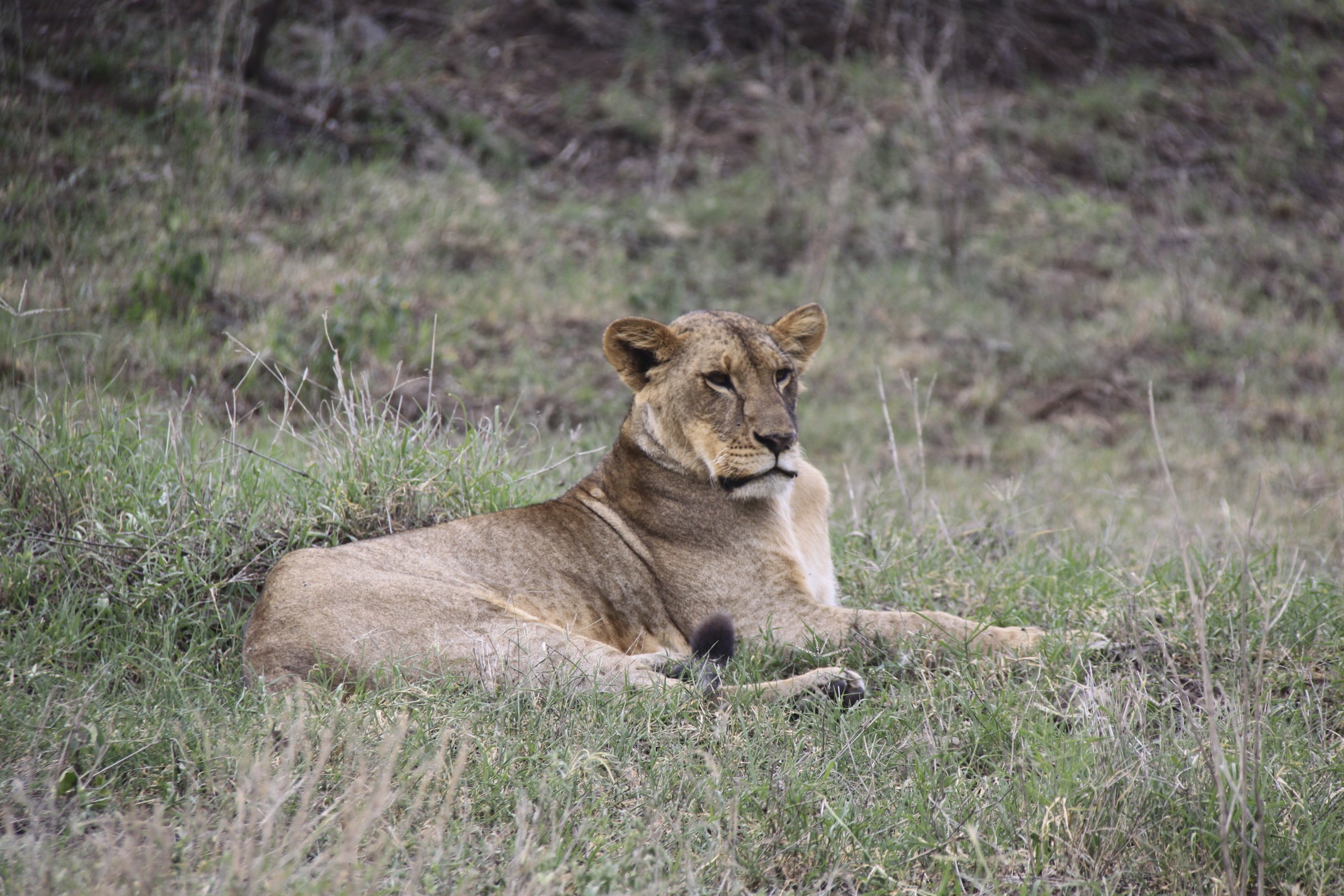
4:Lake Nakuru National Park, Kenya

You can’t talk about wildlife experiences without mentioning Africa!  While not the most famous, we loved Lake Nakuru National Park.  A stunning location and diverse wildlife made this one of our best game park experiences in Africa. Containing four of the big five (the park is too small for elephants) as well as loads of monkey and flamingo all set around a beautiful large lake and only a couple of hours out side Nairobi, make sure you add this to your Kenyan wish list.

Our first Lion in Nakuru National Park

Our first Lion in Lake Nakuru National Park

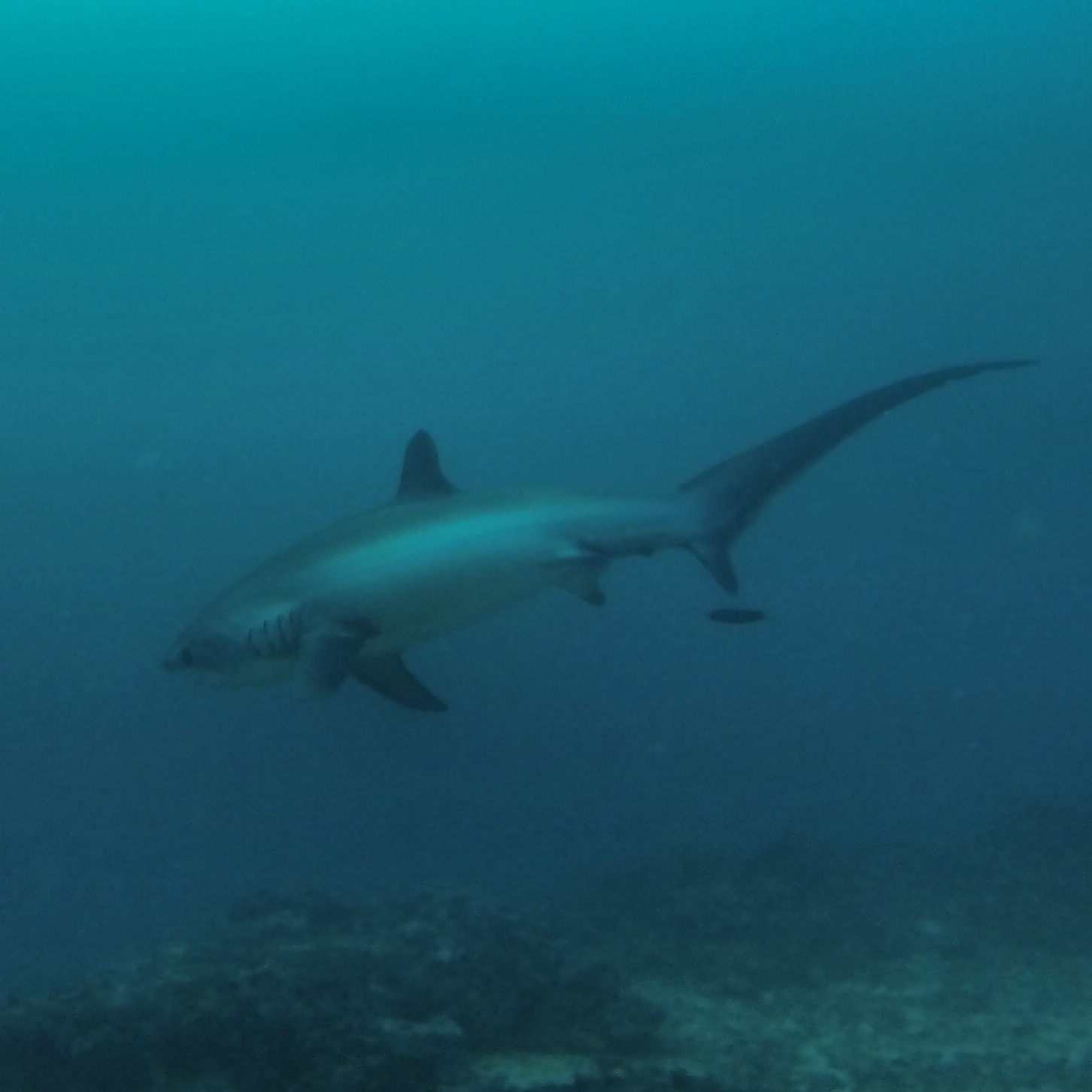
5: Diving with Thresher Sharks in Malapascua, Philippines

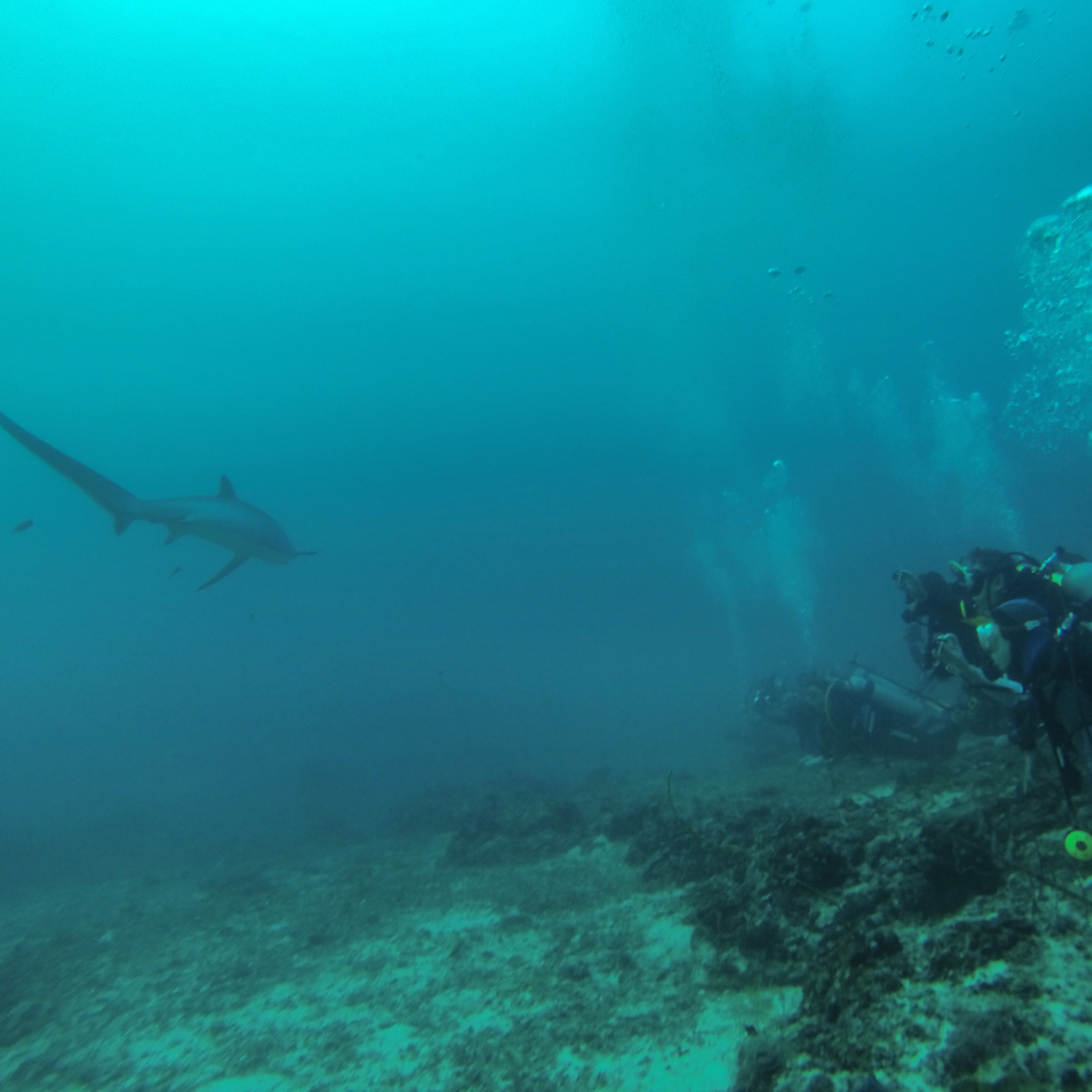
While there are without doubt far better dive sites in the world, and perhaps because it was my first shark experience Malapascua makes the list. It is one of the few sites in the world where recreational divers can see these deep-water sharks. Every morning at dawn they swim up to a cleaning station at 30m below the surface. Their ribbon like tails majestically waving behind them and their huge black eyes and open mouths they almost look as if they were stoned!  For divers, their fist shark experience is always something special, and mine was no exception.


The amazing tail of the Thresher Shark off Malapascua

The amazing tail of the Thresher Shark off Malapascua

Divers lined up at dawn as the Thresher sharks swim up to a 30m cleaning station

Divers lined up at dawn as the Thresher sharks swim up to a 30m cleaning station

Next week in Part 2 we round out our top 10 wildlife experiences. Any ideas what we will find? Leave a guess below or tell us about your favourite wildlife experience around the world and we will have to add it to our travel bucket list!

– Dean

Those Magnificent Men in Their Flying Machines: RAF Museum London

We continue our Home Town Tourist series with a look at one of London’ s unique historical museums a little out of the city centre.

London is full of museums, and the best thing about them is most of them are free. You can marvel at dinosaurs a the Natural History Museum, discover the Rosetta Stone in the British Museum and even explore London’s oldest prison in the Clink Museum (you do have to pay for this one). However, one of our favourites is the RAF Museum in Hendon.


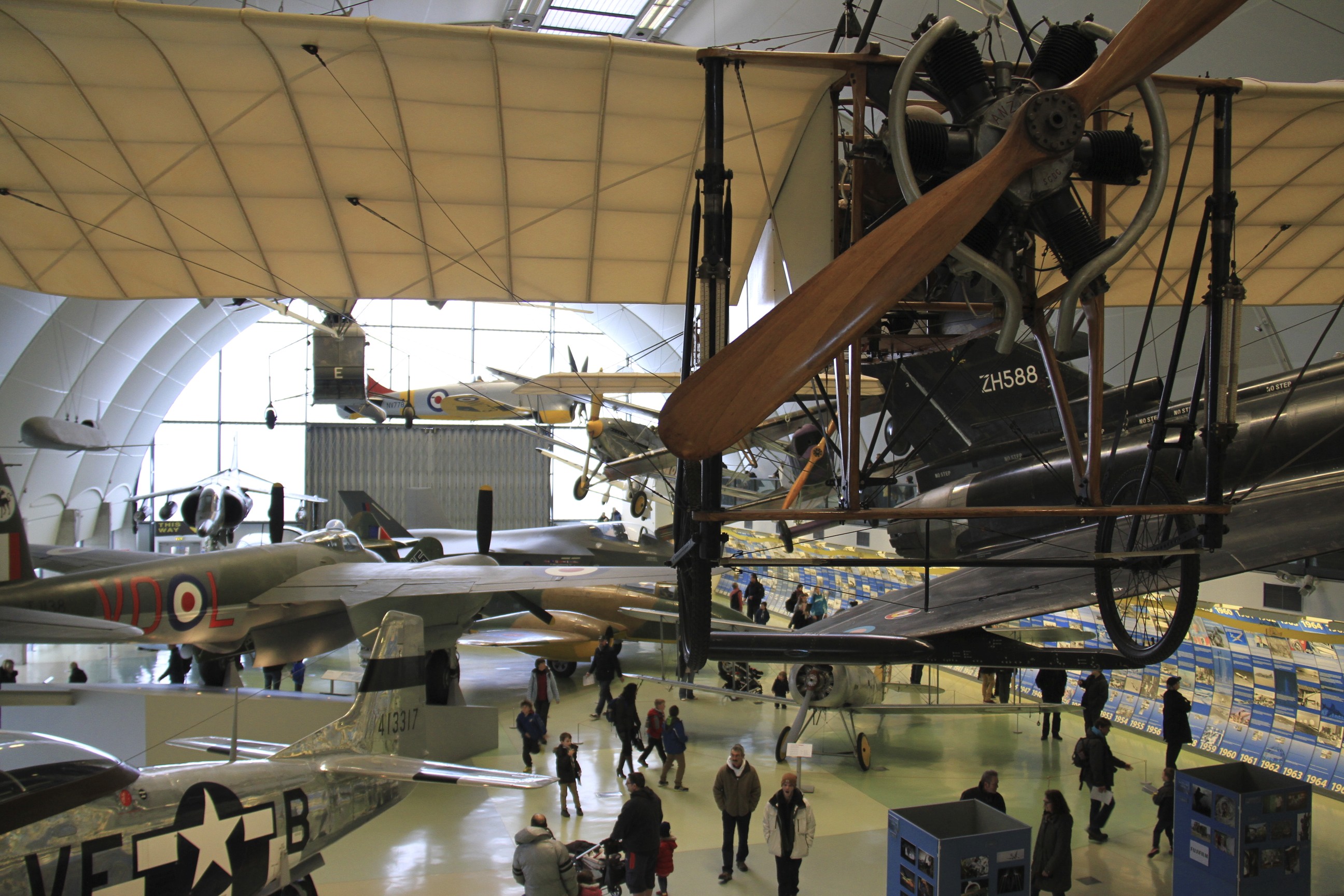
The entrance hangar with numerous pre-WWI planes

The entrance hangar with numerous pre-WWI planes

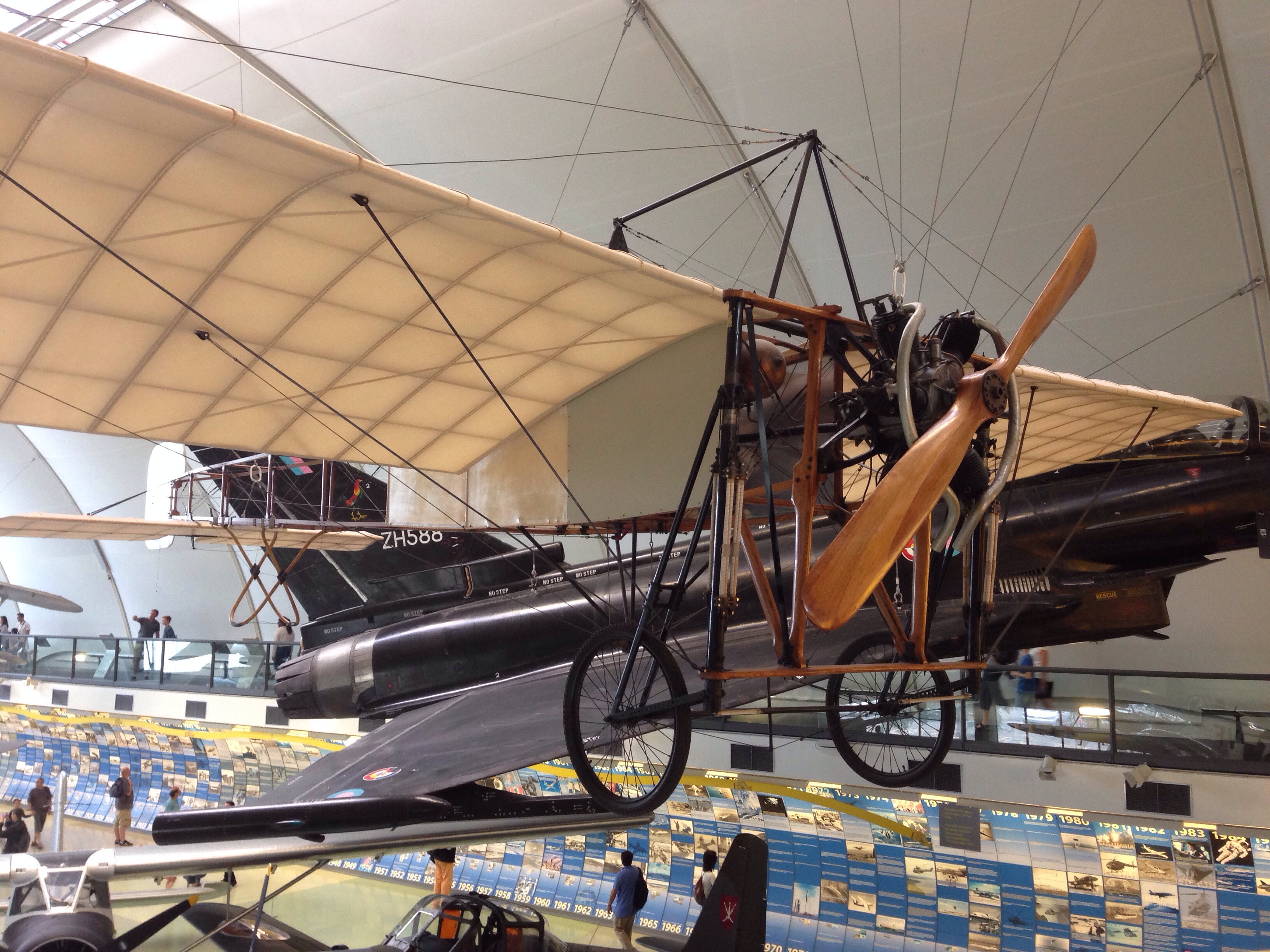
Originally a RAF airbase in North London, the museum now houses over 130 aircraft tracing the history not only of the Royal Air Force but also of aviation in the UK.

From the early years of flight up to modern day fighter jets, the RAF Museum has it all

From the early years of flight up to modern day fighter jets, the RAF Museum has it all

Split across four hangers all interconnected the museum contains loads of audio visual information, a chance to sit in several of the aircraft, flight simulators and air traffic control simulators, all designed to bring the various aircraft to life.

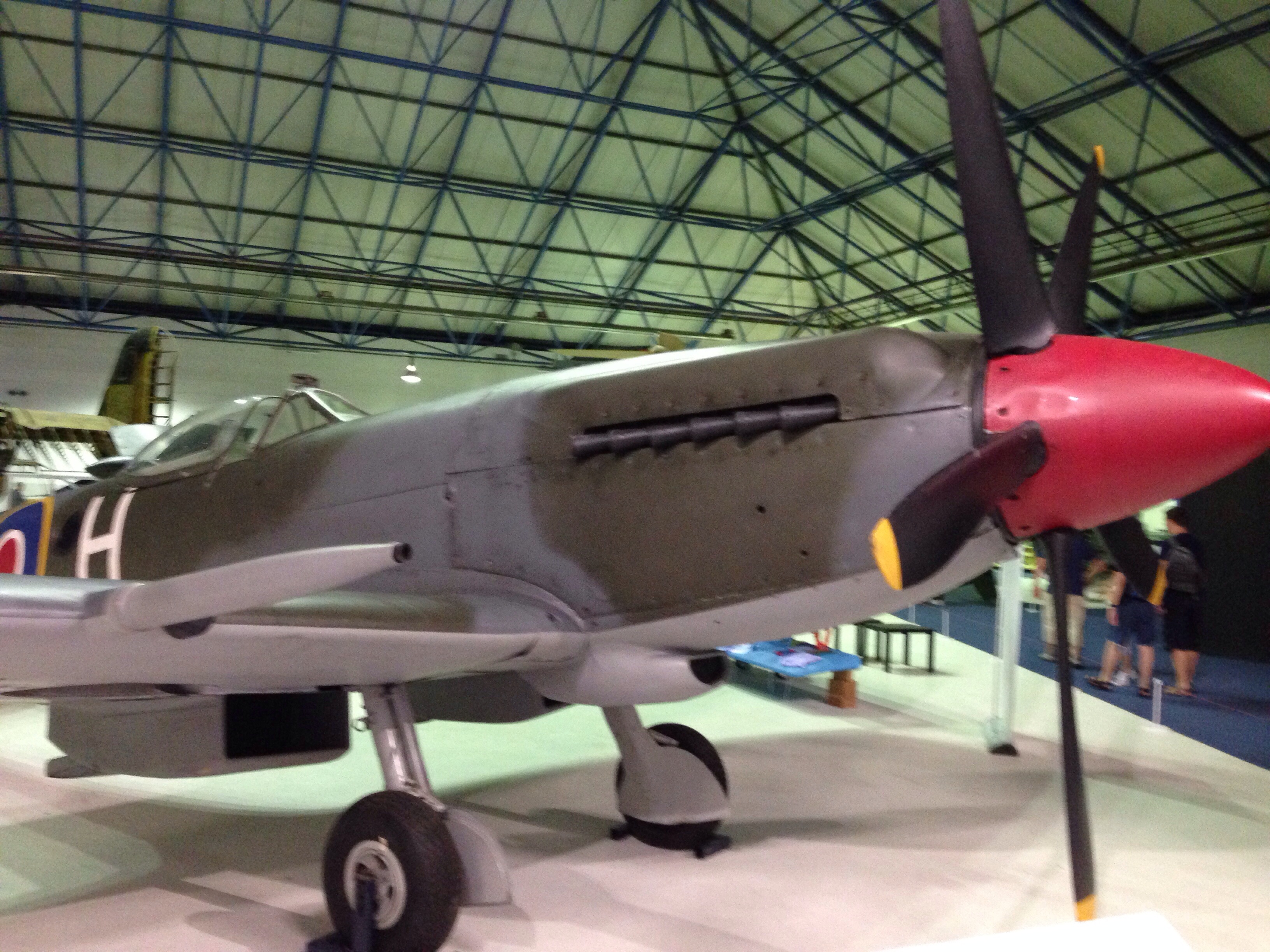
One of the greatest military aircraft of all time, the Submarine Spitfire

One of the greatest military aircraft of all time, the Submarine Spitfire

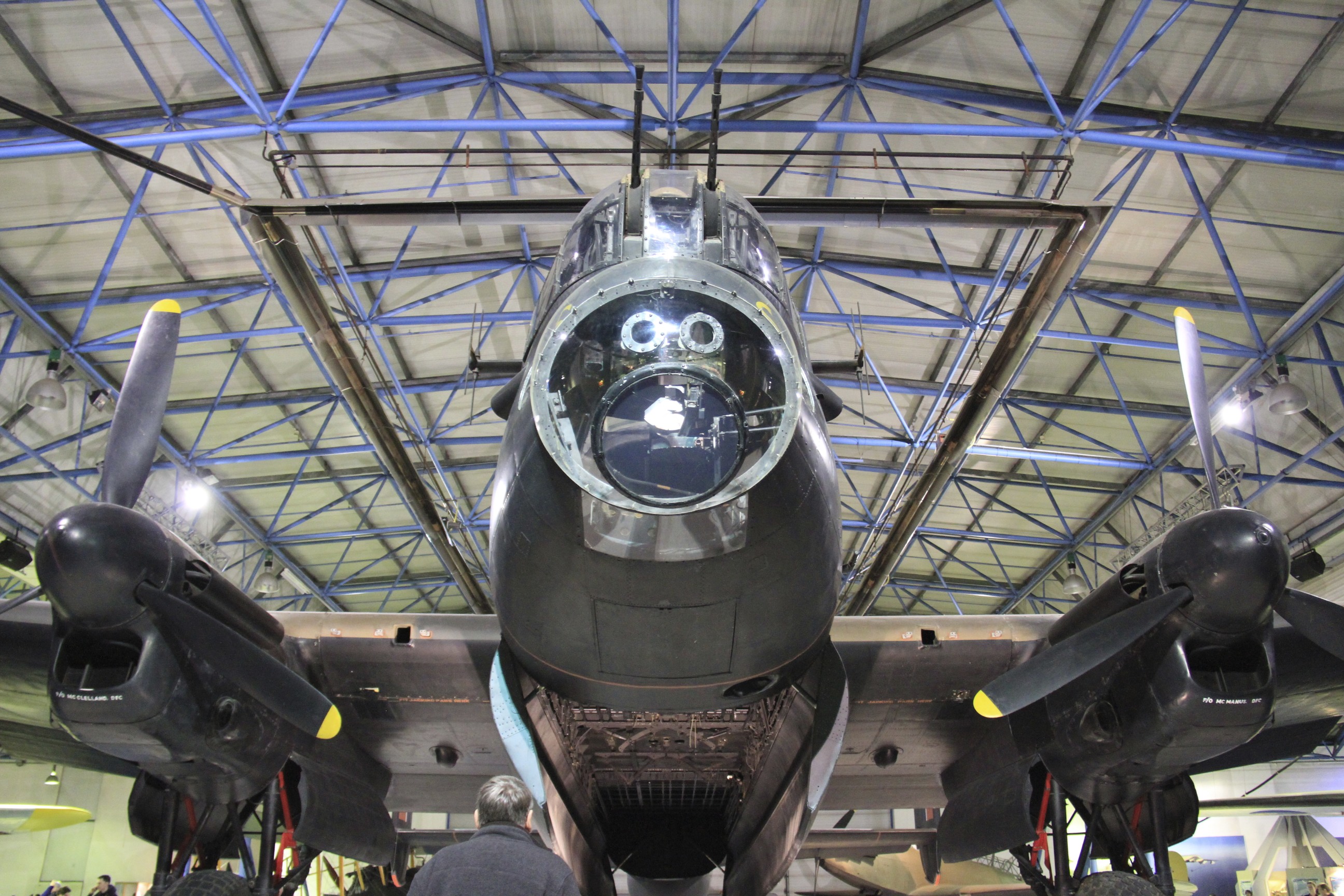
There are several highlights of the collection including the Battle of Britain Hall showcasing the famous old war birds, the Spitfire and Hurricane that helped defeat Nazi Germany in the Battle of Britain. A Lancaster Bomber and Boeing B-17 Flying Fortress take pride of place in the Bomber Hall as well as the cold war nuclear deterrent the mighty Vulcan (our personal favourite).

The enormous Lancaster Bomber taking pride of place in the 'Bomber Hall'

The enormous Lancaster Bomber taking pride of place in the ‘Bomber Hall’

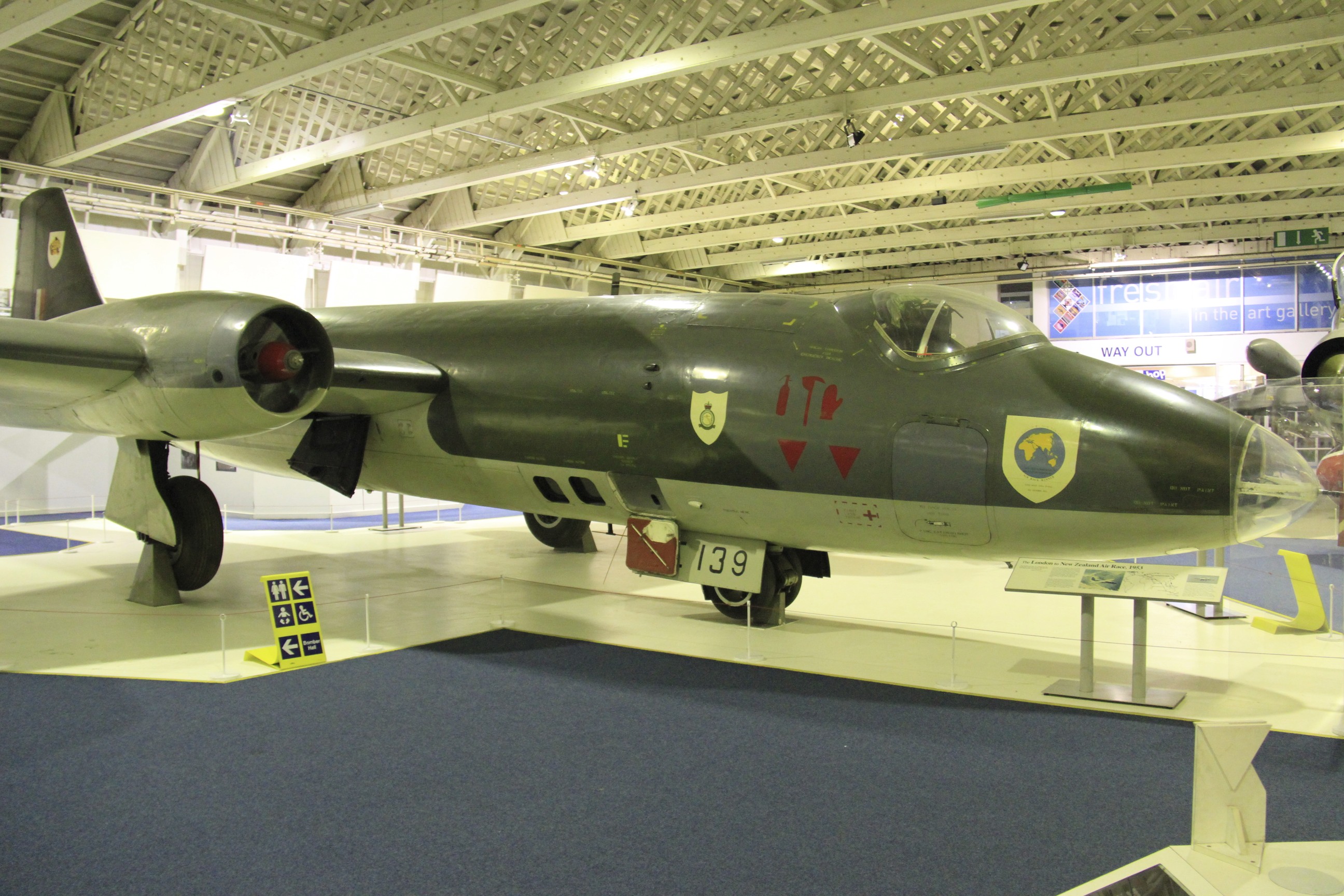
A special mention must be made of the Canberra Bomber, which my Grandfather was one of the chief engineers on. There is an amazing sense of pride I feel every time I see her, and was a real buzz visiting with my Dad last year when my parents came over to the UK.

The Canberra, the plane my Grandfather worked on.

The Canberra, the plane my Grandfather worked on.

It is easy to spend several hours wandering through the hangers marvelling at everything from early RAF Bi-planes, to modern day search and rescue helicopters. There are several free 30 minute guided tours throughout the day to help bring alive the amazing history and is a fantastic museum to visit with family and children. The RAF Museum in Hendon is a must for military history buffs, for pilots and aviation fans and also the perfect big boys toys museum.

For opening times to the RAF Museum Hendon click here

For directions and location please click here.

-Dean


Stepping Back in Time: Rothenburg Ob Der Tauber

One of the most beautiful parts of Bavaria is the Romantische Strasse or the Romantic Road. Formed in 1957 to promote tourism the road links some of the best preserved medieval towns in Germany and stretches from Würzburg to Füssen a distance of over 300 km.

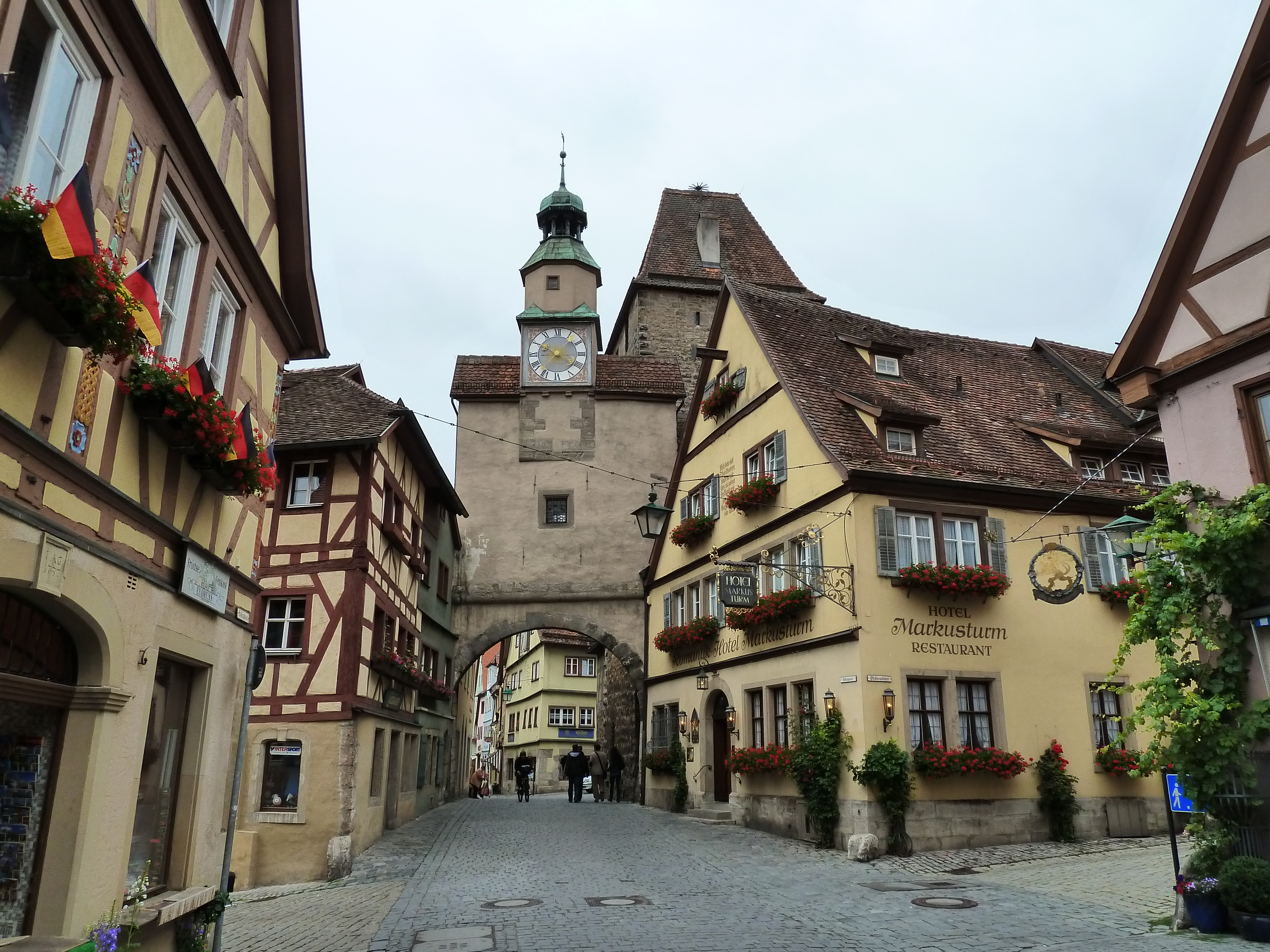
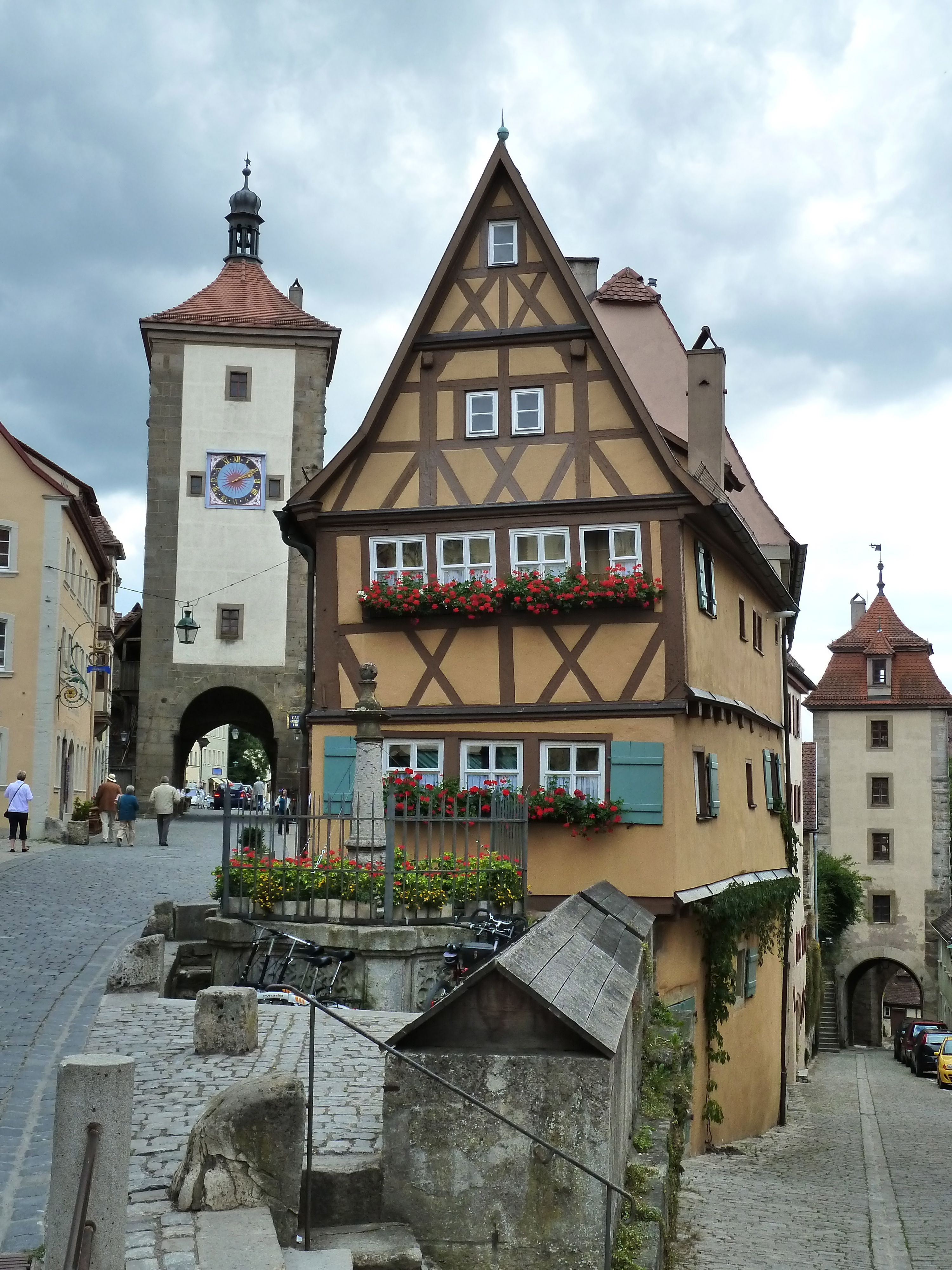
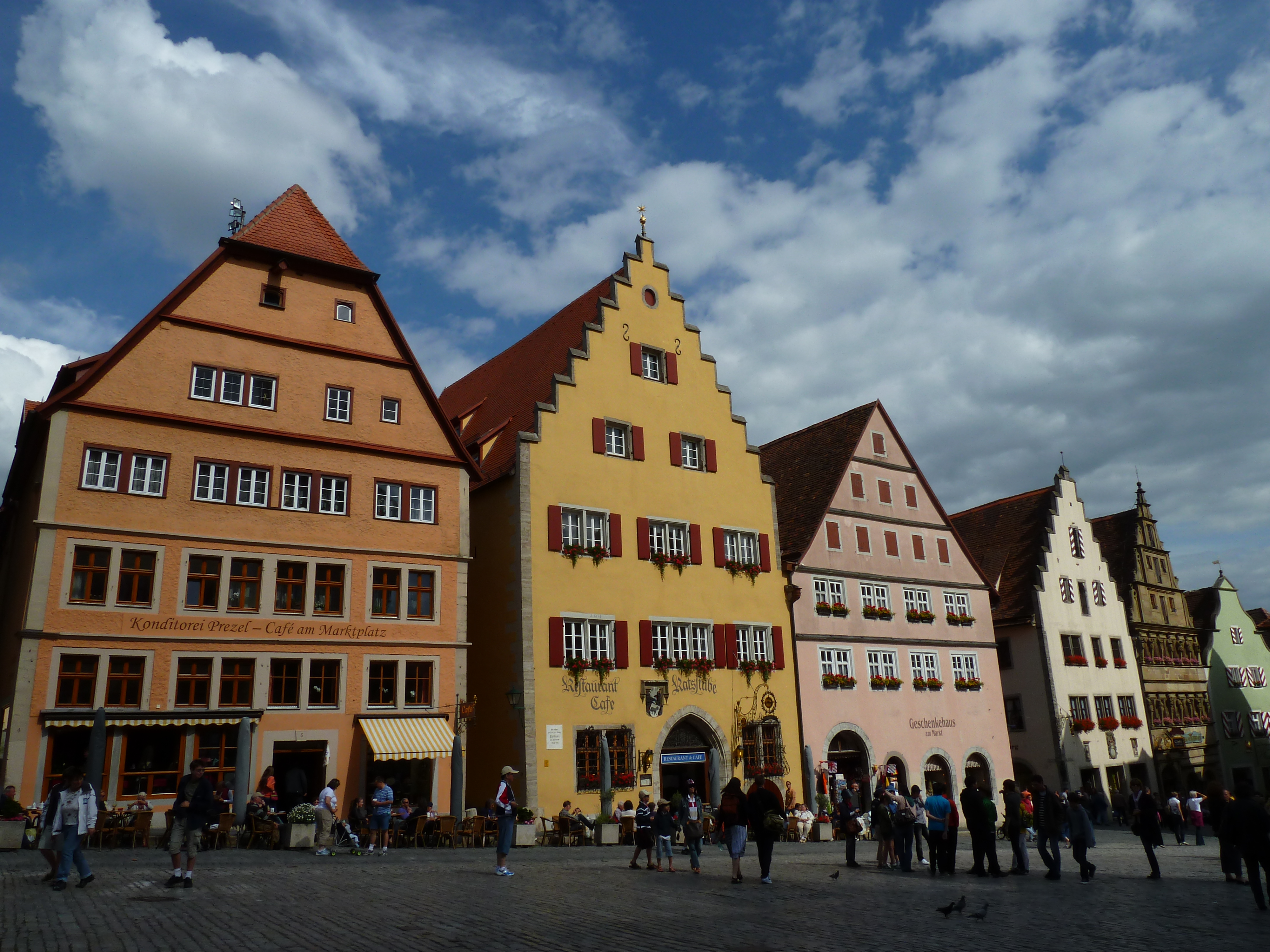
The jewel on the crown of the Romantic Road is without a doubt Rothenburg. It is also the most visited but it is easy to see why! Cobble stoned streets wind past bright pastel coloured houses. Vines and creepers wind their way up, through, over and around the brick work and the whole historic center is surrounded by the enormous medieval city walls.

The Roeder Tor, one of the many towers scattered throughout Rothenburg

The Roeder Tor, one of the many towers scattered throughout Rothenburg

Walking through the streets of Rothenburg feels like walking through a fairy tale or perhaps a movie set, it almost doesn’t feel real. Little wonder why people love this town. In fact Walt Disney loved it so much Geppetto’s village in Pinocchio is a cartoon recreation of Rothenburg .

The most photographed scene in the entire city

The most photographed scene in the entire city

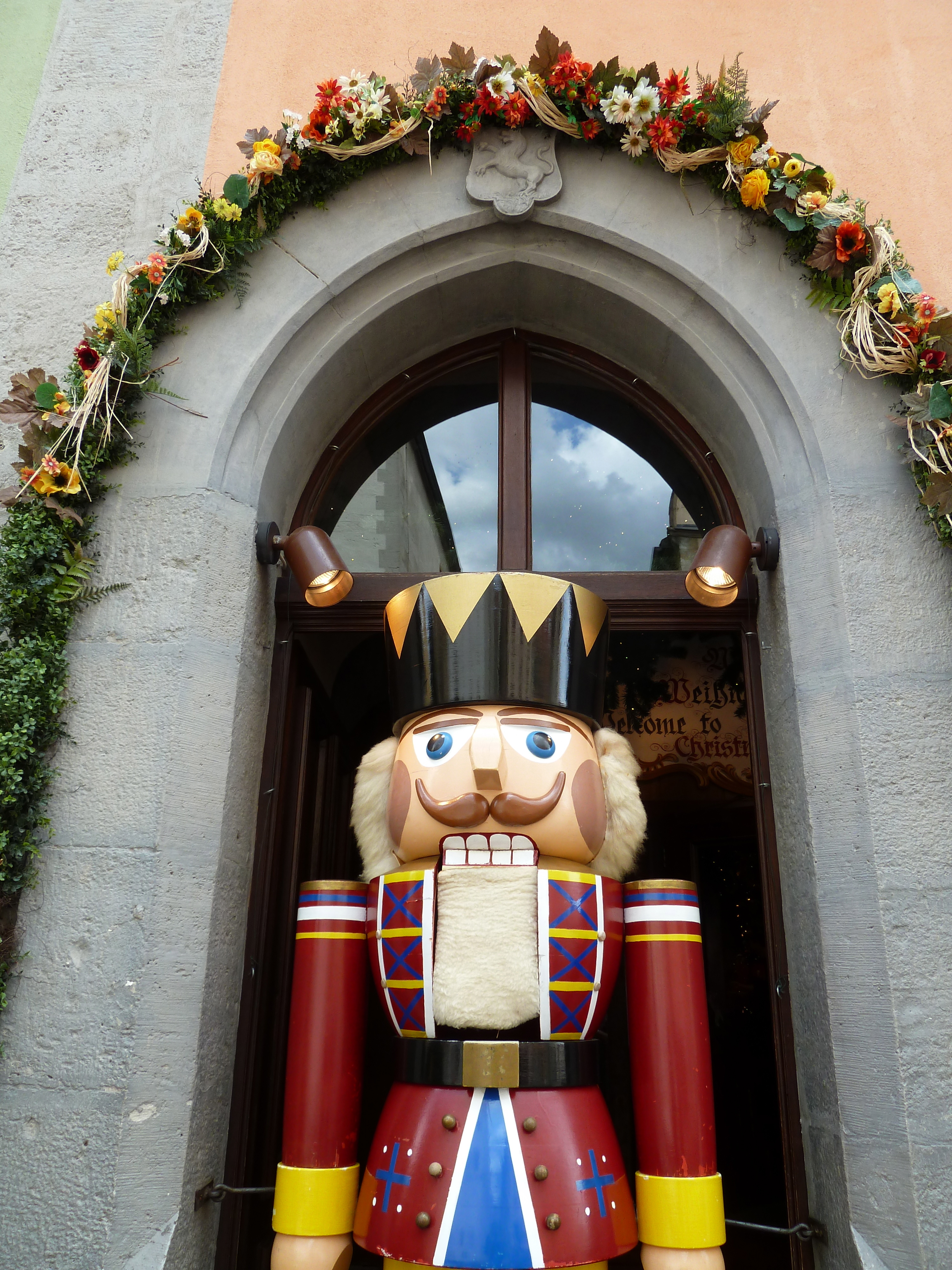
Day trippers from Nürnberg and Frankfurt pour into the town and come 10:30 in the morning in good medieval fashion you are battling with visitors from around the world for the best photo spots, seats at cafés or Christmas decorations (something Rothenburg is famous for). Beware the coach loads of tourists pouring into the Kathe Wolfhart Christmas Museum, you have been warned!

Christmas everyday with loads of stores selling wooden Christmas decorations

Christmas everyday with loads of stores selling wooden Christmas decorations

Our best bit of advice? Stay over night, by 16:30 most day trippers have cleared out and you have these dream like streets and alleyways to yourself.

As the days get later the day trippers clear out leaving you alone in the city

As the sun sets the colours really come alive

Rothenburg is a photographers dream, a great destination for families with lots to amuse children and a romantic little getaway for couples. Put simply Rothenburg has it all and should be a real must on any visit to Germany.

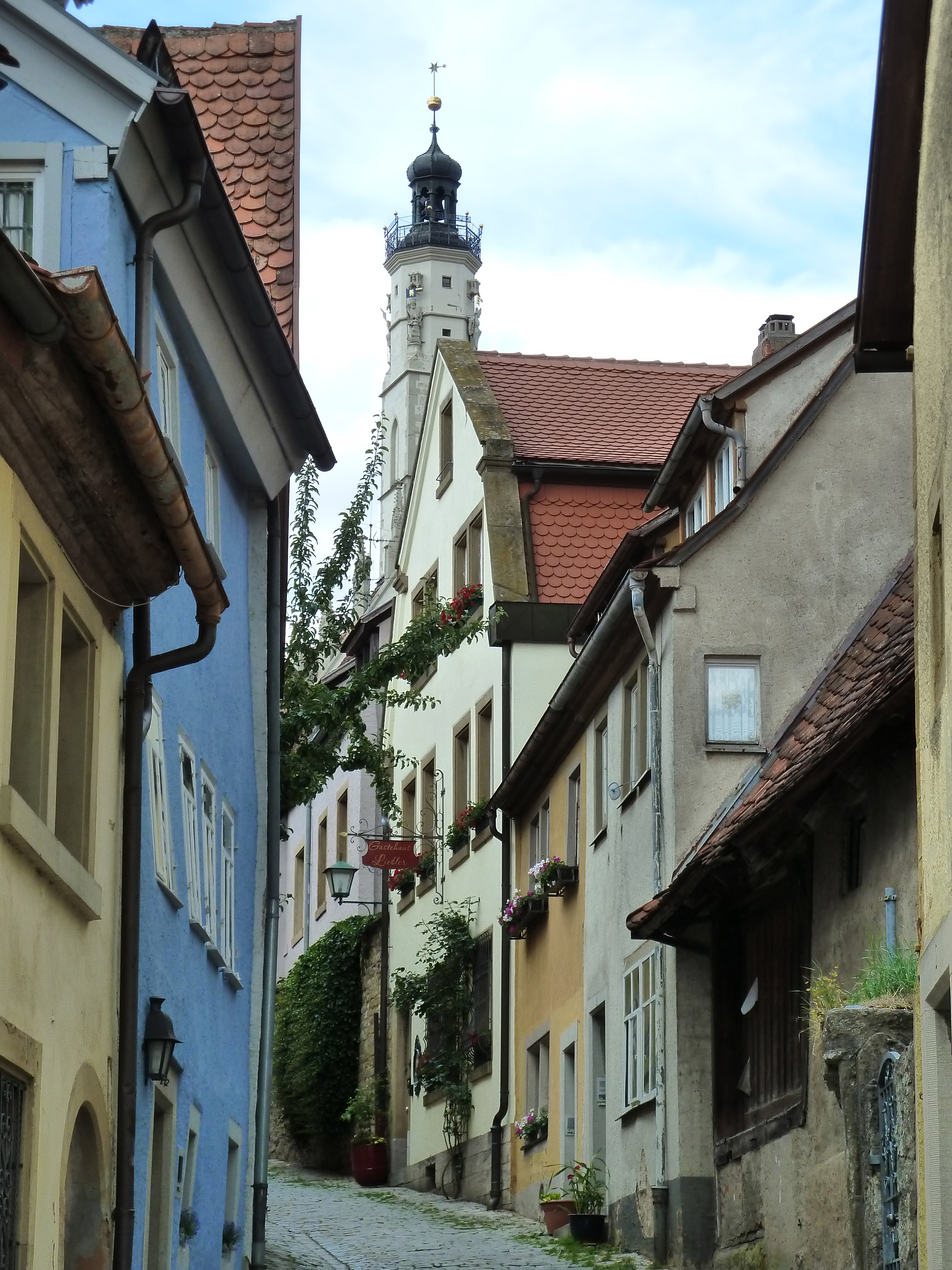
Get lost in the winding medieval laneways

Get lost in the winding medieval laneways

While the city has a colourful history, the most famous episode occurred during the 30 Years War in e 1600’s. General Tilly of the Catholic armies requested that Rothenburg accommodate him and his estimated 20,000 troops over winter. After refusing to do so, the town was besieged and was only taken after one unfortunate local lit a torch inside  the Powder Tower, and…. Kaboom! The walls were breached.

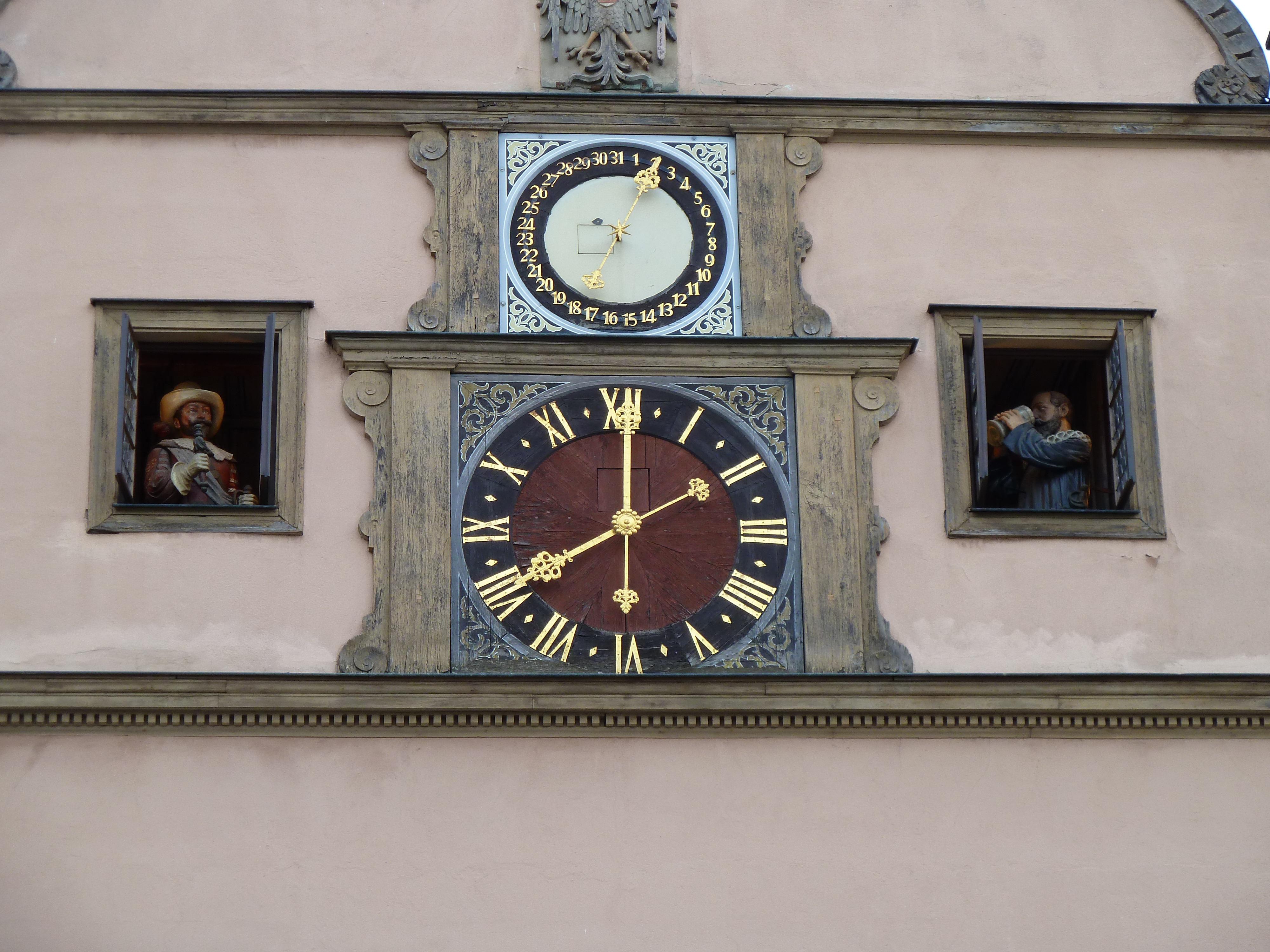
As the story goes Tilly was so impressed by the citizens bravery he promised to spare the town if the Lord Mayor could drink a three and a half litre flagon of wine in one go! The Lord Mayor met the challenge, passed out and saved the town! In reality the women and children of Rothenburg threw themselves at the mercy of Tilly and paid him handsomely to spare them! However the story stuck and every hour from eleven in the morning til eight in the evening this encounter is relived in the small glockenspiel on the Market Square!

Tilly's drinking challenge re enacted every day as part of the glockenspiel

Tilly’s drinking challenge re enacted every day as part of the glockenspiel

The town

Continue reading

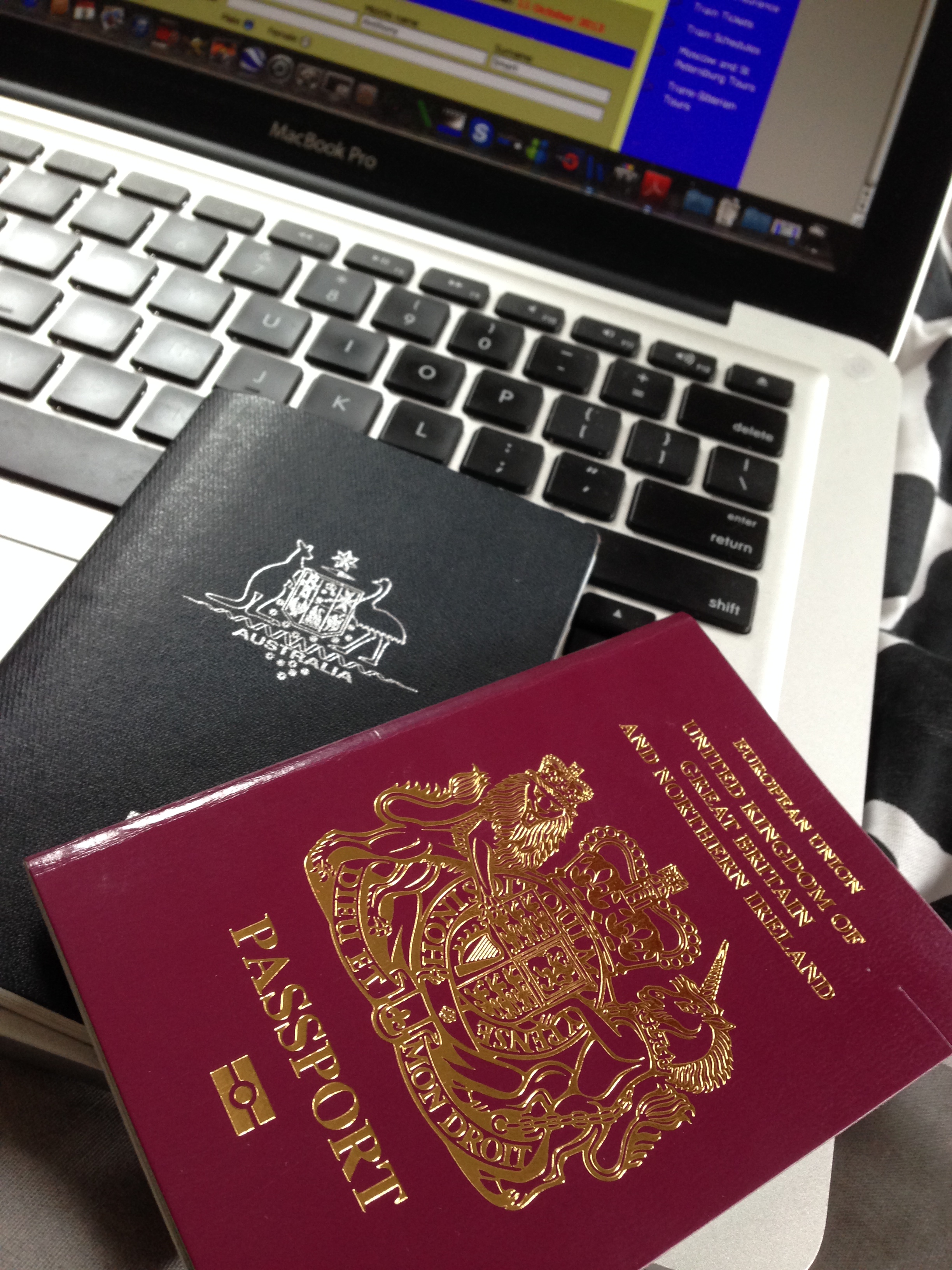
Obtaining visas – a chore or pure excitement as it takes you one step closer to your travels?

As we all seek to explore some of the most far-flung places, we have to increasingly check the visa requirements for our next destination. It goes without saying that for both of us we are very lucky. The British and Australian passports are two really good ones to have, meaning in a lot of instances visas can be obtained on arrival or better still, are not needed or are free.

Our Passports to travel!

For our most recent trip we not only researched the visa requirements for our adventure using various websites, but also by visiting the various embassy pages and via the Real Russia pages. We had plenty of pages left in our passport – phew what a relief as we were going to need a few visas!

For me, I’ve always enjoyed dropping my passport off at a consulate or embassy. In my experience the task provides you with the first glimpse of what to expect when you reach your final destination.

I remember back in 2005 when I was heading off to India, I trotted down to the embassy on Aldwych (this process and application procedure have long since been superseded). I duly queued for an hour before the allotted opening time and no sooner had the doors opened, the bun fight began. I think it’s fair to say India isn’t the most organised of places, and the slight chaos that greeted me as the embassy opened was good preparation of what awaited in India!

On another occasion I obtained my Ethiopian visa from the embassy in London and the quietly spoken ladies processed it without delay. The building was a little old fashioned, but none of that matters as long as the service you receive is good. Again, the embassy was a reflection of the place – I would later find the same gentle, softly spoken ladies in Ethiopia.

Sometimes it’s not possible to obtain visas before you go. We experienced this with our Myanmar visas. As soon as we arrived in Kathmandu, Nepal, we headed out in search of the Myanmar embassy. No one quite knew were it was, but our taxi driver kept stopping and asking and eventually found it. Once inside the gates the polite and helpful embassy staff greeted us. The serene atmosphere inside the grounds and attitude of the staff were truly a reflection of the Myanmar people – polite, gentle and kind. We duly returned three days later (this time I directed the taxi from the back seat!) only to be given back our passports with some tourist information!

Above all one thing is for sure for us. When we get to an embassy to pick up our passports its a race to flick through the pages with excitement and see the new stamp. Our passports really are our one of our most prized possessions, and for us obtaining visas is all part of the excitement of travel!

– Natalie
London Zoo – tour some of the world’s most exotic animals in an afternoon

Zoos – they divide opinion and raise a range of emotions. Love them or hate them, they are here to stay, and the one in London is particularly famous.

London Zoo

London Zoo

London Zoo opened its doors in 1828 and is famous for many things including being the world’s oldest scientific zoo. The original purpose of the site was for scientific studies to take place and it only actually opened to the public in 1847. Since then it has grown from strength to strength and despite some financial concerns in the 1990s, it opens its doors daily for excited children and adults alike.

The zoo now houses over 750 species of animal, with an individual head count of well over 16,000 creatures. Not bad going considering its central London location. I first went with my parents as a child, and only returned today for the first time in about twenty years.

Now it’s about at this point I should probably be honest. Zoos are not my favourite place in the world. Todays visit was brought on by the opportunity to meet up with a couple of friends, both of whom where going with some lovely little ones in tow. On the rare occasions that I have visited zoos, the experience has not sat too well with me. Often the cramped conditions and pacing animals can be an unhappy sign of the bleak outlook of the residents. I do however appreciate that a lot of good work goes on inside zoos around the world, both in terms of research and breeding programmes. Breeding progammes are in place for well over 130 species at this particular zoo, for which I take my hat off to the dedicated staff there.

For me as I child visiting, a couple of memories stand out in my mind. The elephants, penguins, giant pandas and the statue of Guy the Gorilla! Whilst Guy is still there (in statue format!), several other statues have joined him and things have changed a bit to keep up with the more modern, interactive times we live in.

Fish in the aquarium

Fish in the aquarium

Elephants had been at London Zoo for over 170 years, when the decision was taken to move them to more spacious surroundings at the sister zoo, Whipsnade. This I can only support. This move was made in part to increase the elephant breeding and conservation programme in the UK, but also as it was widely accepted that the conditions for the elephants at London Zoo were no longer big enough (and in truth, never had been). As for the Giant Pandas, Ming Ming was the zoos last resident. Several attempts were made to breed her with a dashing young male Giant Panda who lived at Berlin Zoo. After these attempts were unsuccessful it was decided she would return to China in 1994, thus leaving the zoo panda-less.

The old penguin enclosure remains (it is a Grand 1 listed building), although these days its inhabitants have moved to a new penguin beachside location, and the black and white creatures swim and sun bathe quite happily. Viewers are treated to watching them swim underwater too thanks to a (sturdy!) Perspex screen. Previously seeing them swim was a sight awarded to me only when diving. At London Zoo it’s an everyday occurrence.

Penguins, Wallabies, Galapagos Giant Tortoise and London Zoos Silverback Gorilla

Penguins, Wallabies, Galapagos Giant Tortoise and London Zoos Silverback Gorilla

As for the gorillas, well they are still there in the relatively newly built ‘Gorilla Kingdom’ but the sight of them did make me quite sad. I was lucky enough to see these magical beasts in the wild in Rwanda. It is a costly exercise (but worth every penny), and one that I appreciate most people are not fortunate enough to have. When I saw them they were surrounded by space and greenery – grass and trees galore. One of the Silverbacks in the group charged at us and put on a show, whilst the babies played inquisitively. It was one of the single most amazing things I have experienced travel wise. Today’s sight was by comparison, a big contrast.   A giant Silverback hung lazily in a hammock and gasps of excided visitors looked over. Other gorillas were around in the inside enclosure. These amazing animals could have gone outside, but I didn’t blame them for staying in, as by this point it has started to rain. Breeding programmes of captive gorillas have been very successful and huge attempts are being made to improve enclosures for these majestic beasts. For endangered species like these, the conservation efforts are vital. For me it did bring on a chance to reminisce, however it was with mixed emotions that I admired their splendor.

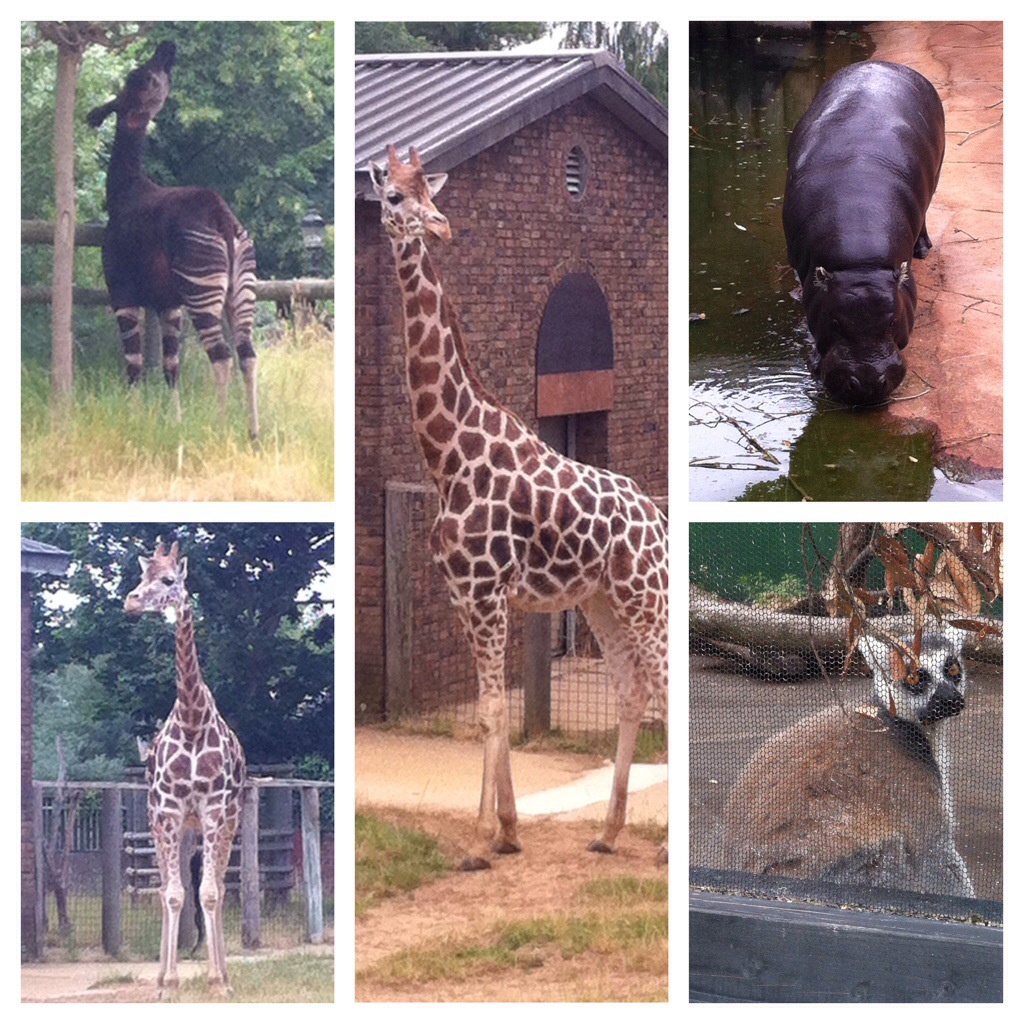
Into Africa… from Lemur to Giraffe

Into Africa… from Lemur to Giraffe

The grounds of the zoo are very pleasant, and a day trip there is fulfilling for everyone. Whether you chose to go into the aquarium or walk through the bird or monkey enclosures, there are hours of entertainment ahead of you. We walked through the ‘Into Africa’ area where I watched with fascination how the pygmy hippopotamus waddled around. After that there was the ‘Tiger Territory’. Having spent days searching for these great creatures in the wild I had finally seen one. I’m sorry London Zoo but I not sure I agree that ‘tiger training’ is the correct name for the activities that take place. It was more like tiger performing, but the waiting crowd did appreciate seeing the large male finding his food. Other enclosures such as ‘The Outback’ or B.U.Gs take no introduction. Every corner of the globe is covered. The zoo is full of listed building and historical facts, including how the under ground tunnels linking the two sides of the park were used as bomb shelters during the World War two. We did almost need a mortgage for lunch, so my tip is to take a packed lunch, although of course you could argue that spending your hard earned cash helps to support the conservation projects taking place.

Tiger Encounter

Tiger Territory

Above all, a visit to the zoo reaffirms in my mind how incredibly incredibly lucky I have been. I’ve seen gorillas in Rwanda, elephants and giraffes in too many places to list, lions and cheetahs galore, tropical fish in many of the world’s great oceans, lemurs in Madagascar, Penguins in Antarctica and the weird and wonderful creatures in the Galapagos. I have been spoilt, and to see so many wonderful animals behinds bars reminds me that each and every time I go on the trail of finding animals in future, I must appreciate how lucky I am to be seeing them in their natural habitat. I have been truly lucky and for those people who are unable to travel, at least they have somewhere they can go to see a small snippet of what amazing animals share our world. Hopefully with the help of these breeding programmes some of these special species will be here for many years to come.

With a wild Silverback

With a wild Silverback

– Natalie
Remembering Sarajevo

Following on from our blog last week, this week we are continuing to look back at the commemorations of the Great War.
Saturday 28th June marks the 100th anniversary of the assassination of Archduke Franz Ferdinand in Sarajevo, by the 19-year-old Bosnian Serb national Gavrilo Princip.

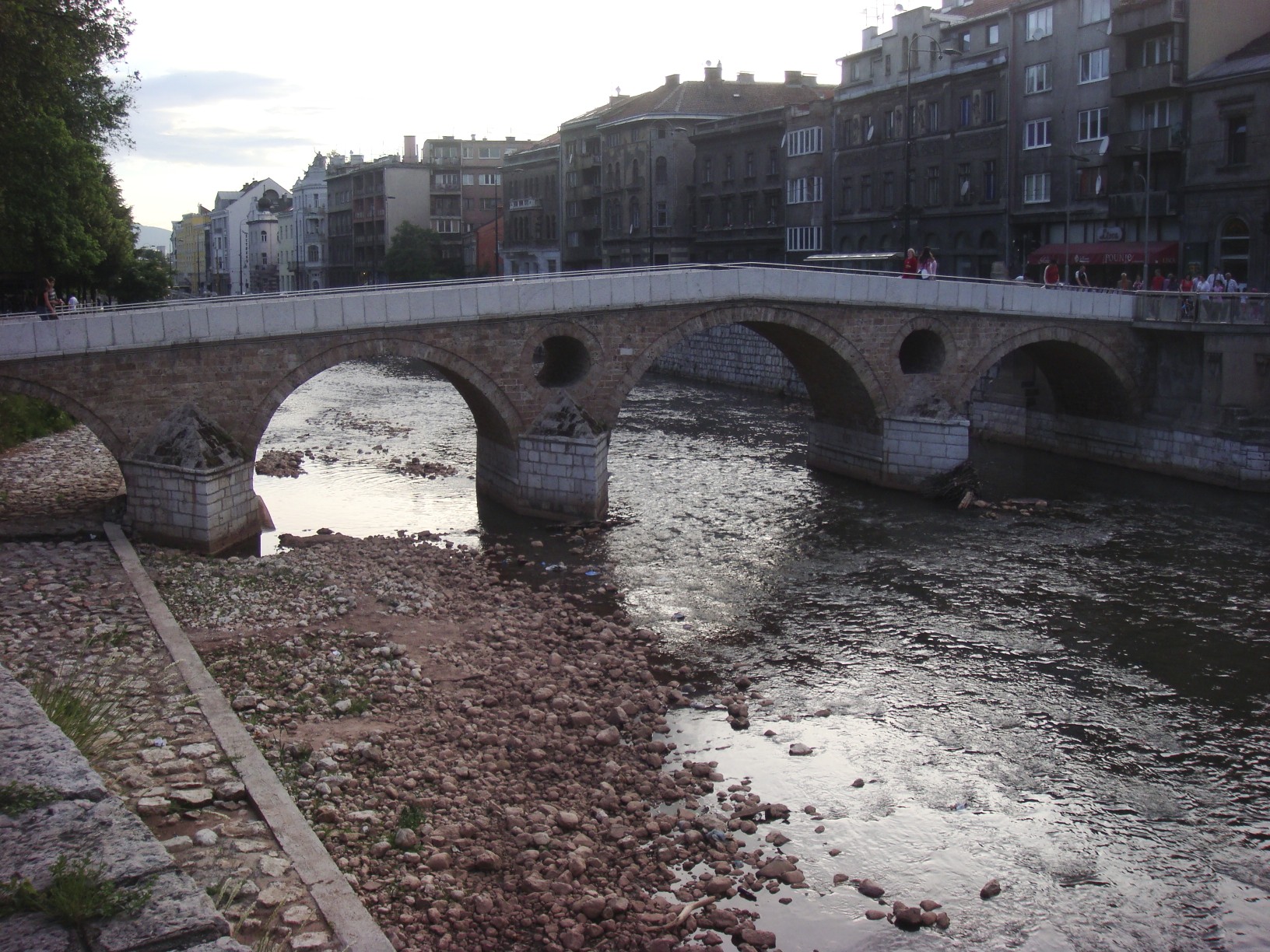
The Roman Bridge Franz Ferdinand's car was driving across in 1914

The Roman Bridge Franz Ferdinand’s car was driving across in 1914

Over the years the assassination has been widely overlooked as focus has been placed mainly on the battles and horrors the combatants suffered through. However the importance of Princip’s actions should not be glossed over. There has been much written about the consequences of those bullets that killed Franz Ferdinand have had, to the point that even many conflicts today and most conflicts throughout the 20th Century can be traced back to that fateful day in 1914.

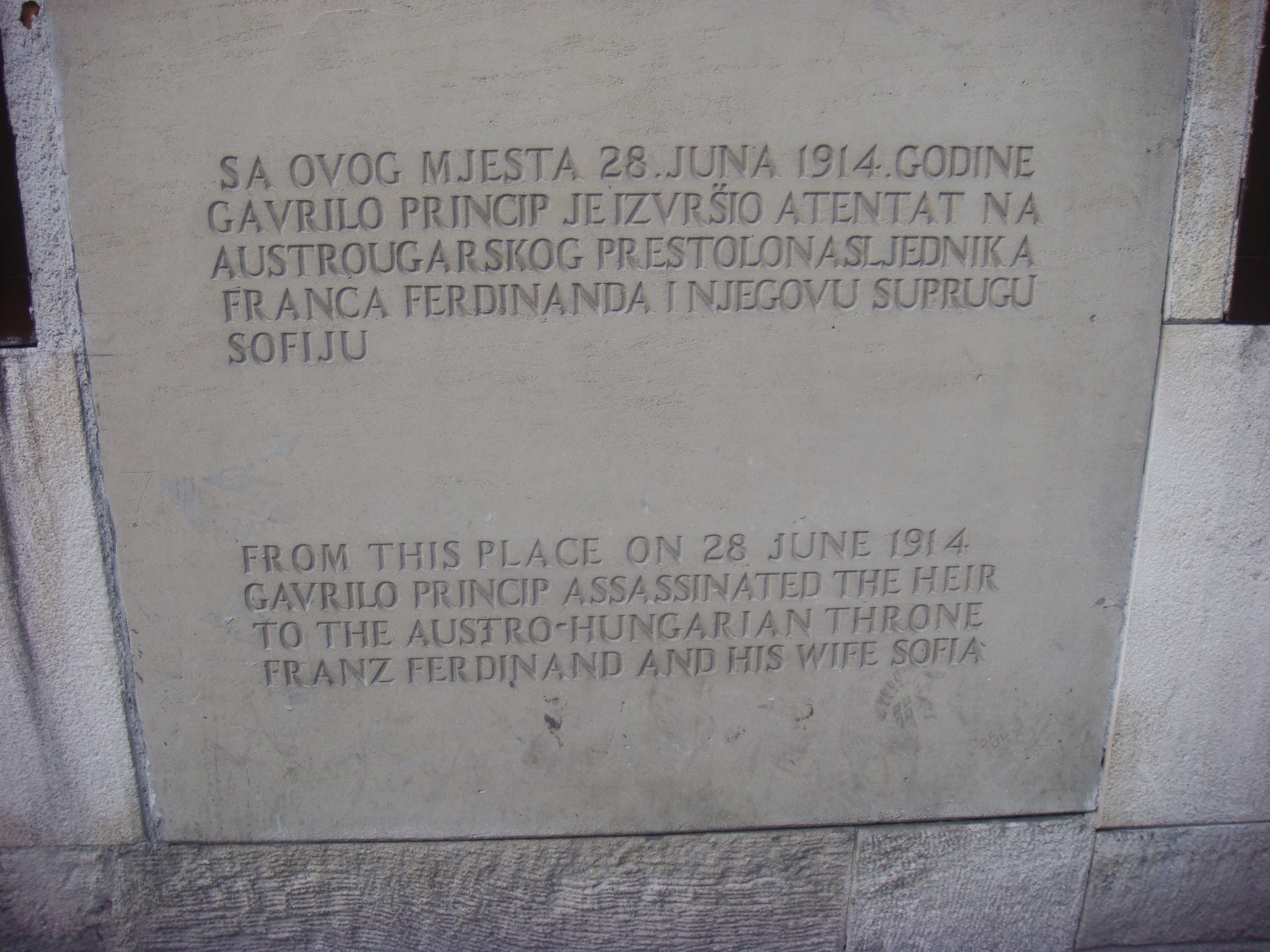
The plaque on the street corner of Sarajevo where Princip fired his gun from

In Sarajevo there is a plaque on the street corner where Princip pulled his revolver and fired into the Archduke’s car and a small museum dedicated to the 28th June 1914. There are planned commemorations as well as Sarajevo remembers being the centre of the European Political Universe on that fateful day.

In Vienna, the Heeresgeschitliches Museum or military history museum has a whole room dedicated to the assassination called the Sarajevo Room. Amazingly as we approach the 100th anniversary the WWI and Sarajevo exhibitions are currently closed, they are not due to open until the 29th of June, the day after the assassination. According to the front desk the exhibitions were in an urgent need for repair!

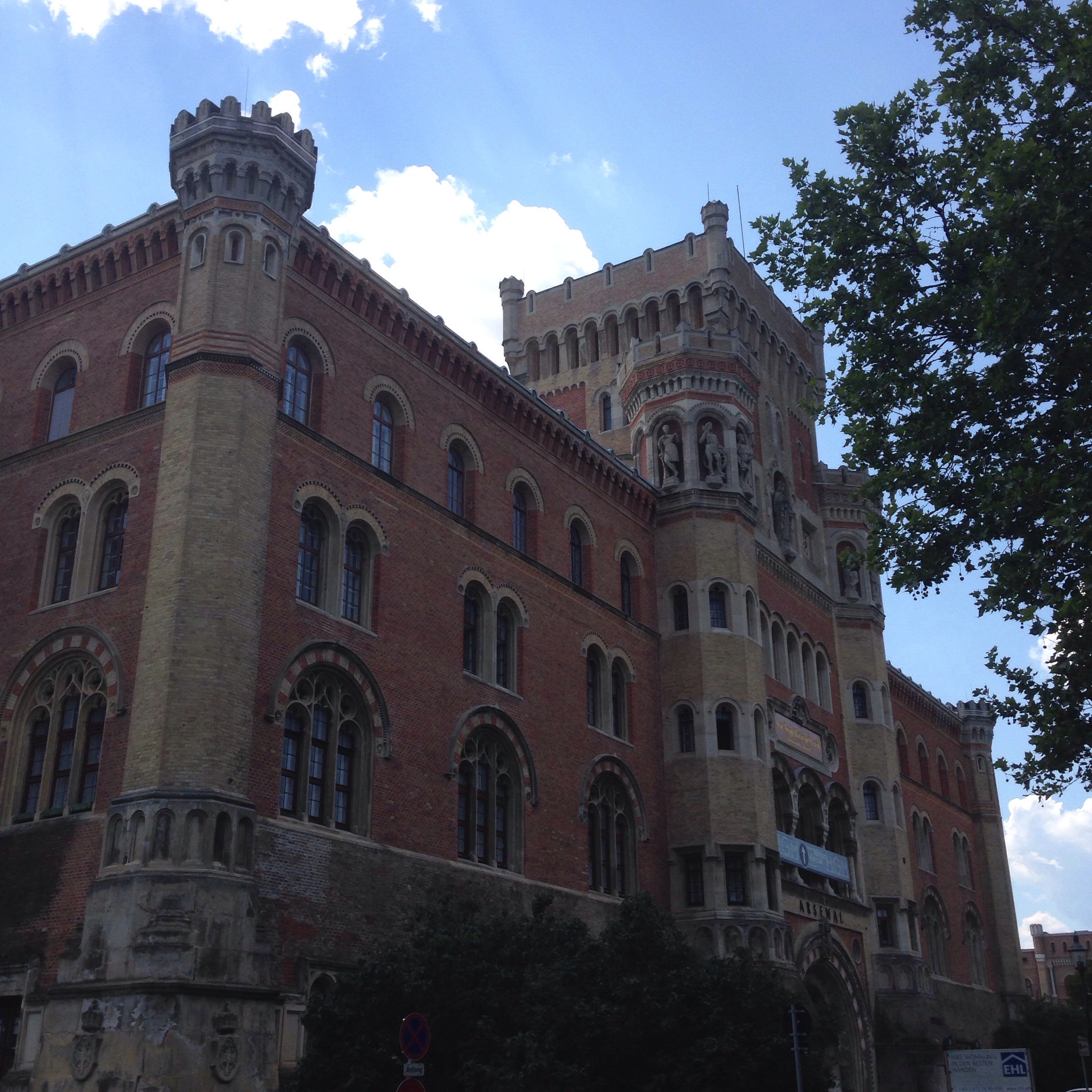
Part of the Arsenal complex that houses Vienna's Military Museum

Part of the Arsenal complex that houses Vienna’s Military Museum

The Military museum is one of Vienna’s least visited, as tourists tend to flock to the palace of Schonbrunn, the Belvedere or the Fine Arts Museum. Even for those not interested in Austria’s military involvement throughout the ages the museum is worth a visit for the amazing architecture.

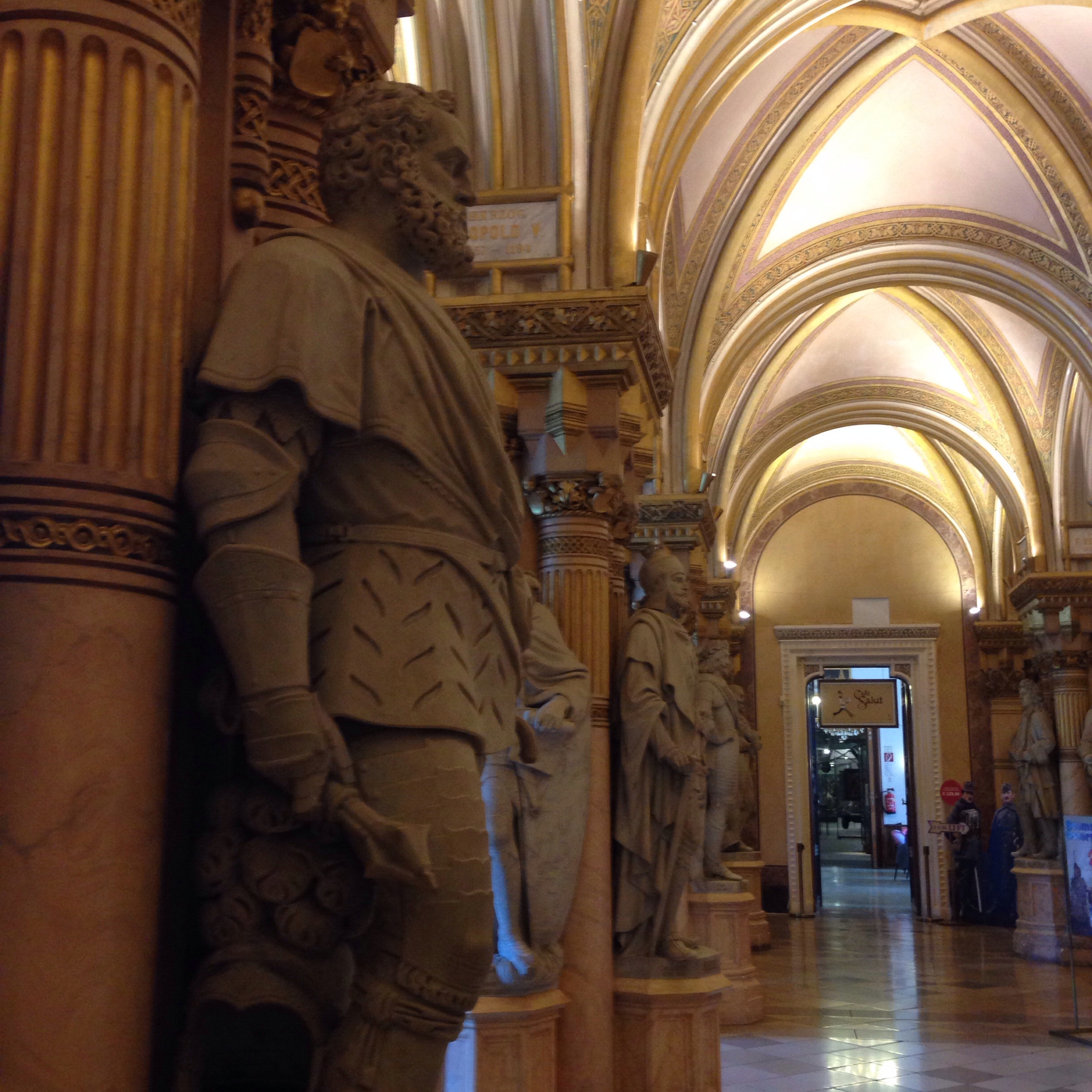
The Hall of Field Marshals in the Military Museum

The Hall of Field Marshals in the Military Museum

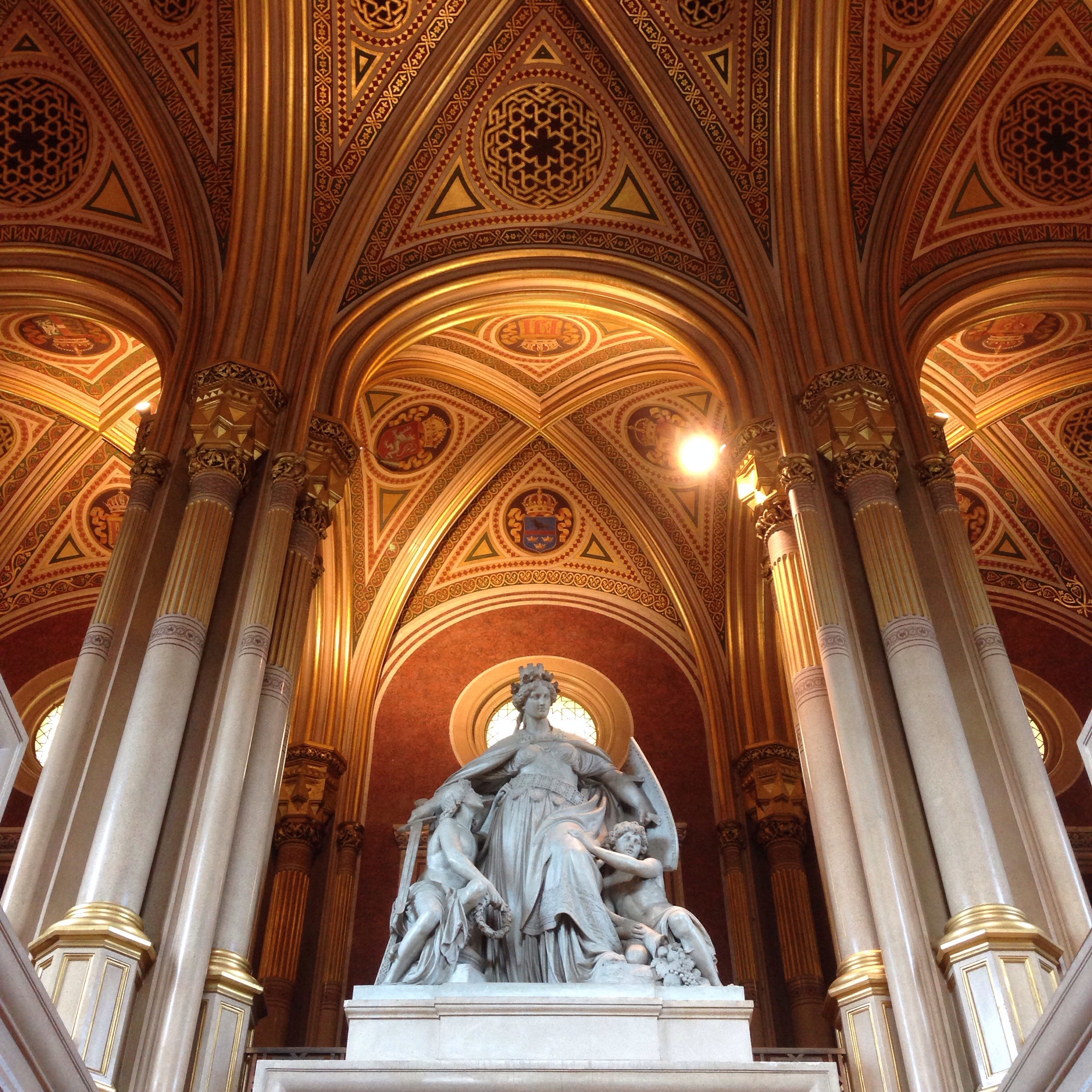
Originally built as an Arsenal to house weaponry for the defence of the city, some of the rooms resemble more of a palace than an armoury. They even hold classical music recitals in the main hall room on the first floor.

Entrance to the upper floors of the museum

Entrance to the upper floors of the museum

When the WWI exhibition reopens on the 29th of June the showpiece will surely be the room dedicated to the assassination of the heir to the Austro-Hungarian Empire. Situated in the room is the car the Archduke was riding in during his visit to Sarajevo as well as his blood stained tunic he was wearing that day. The room details the lead up to events, black and white photos including the last photos taken of Franz Ferdinand before he was killed and also photos of the would be assassin, Gavrilo Princip. Amazingly the most famous photo of Princip is not even Princip himself, it is of an innocent-bystander grabbed off the streets a man called Ferdinand Behr!

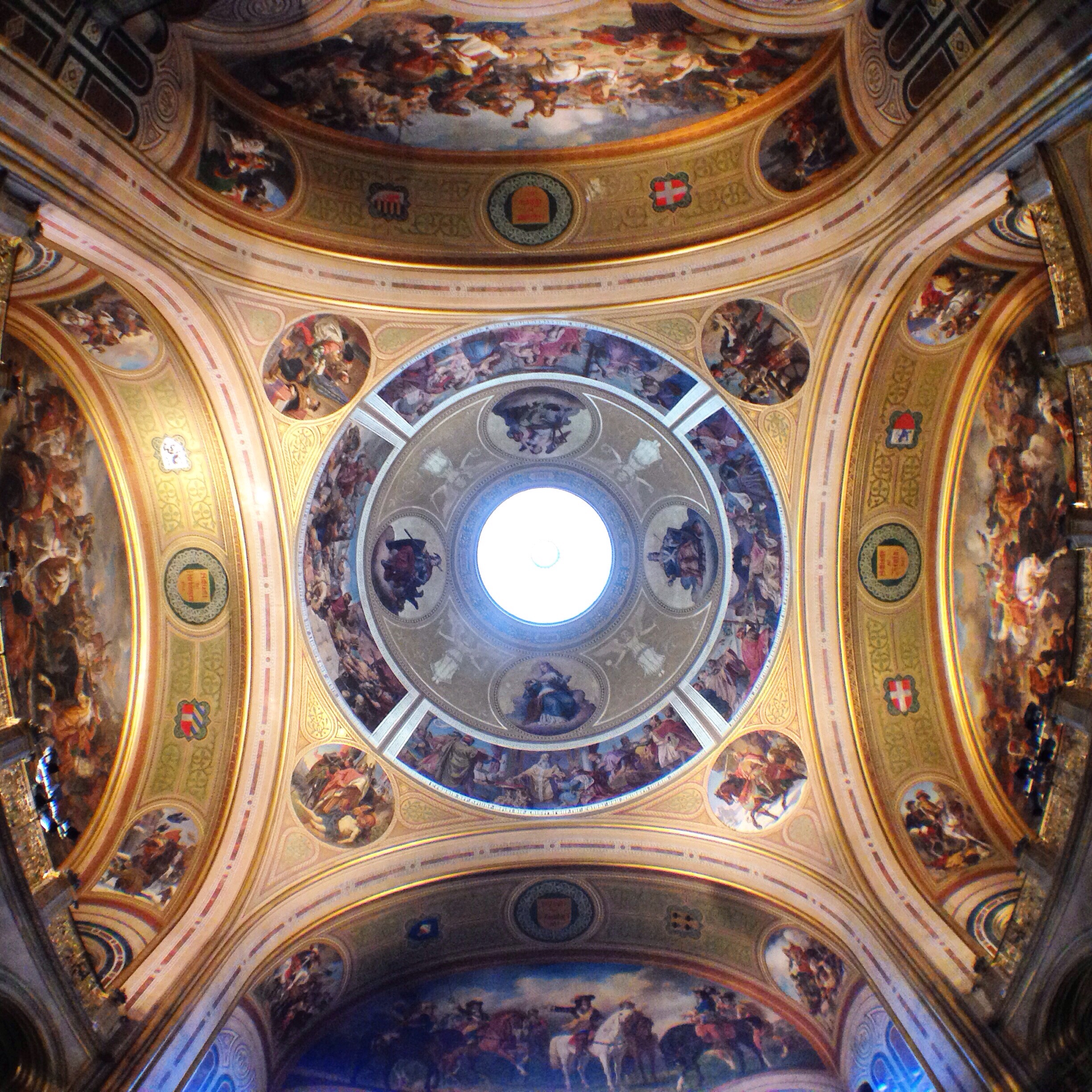
The ornate interior roof of the Military Museum

The ornate interior roof of the Military Museum

The museum also has a fantastic collection relating to the 30 years’ war that decimated much of Central Europe in the 1600’s and a vast collection of weapons plundered from the retreating Ottoman Turks after the Siege of Vienna.

For anyone who has a keen interest in Military history and particularly WWI history the Heeresgeschitliches Museum should be high on your list of things to visit in Vienna, even if to stand and stare at Ferdinand’s car and tunic and think what if…

– Dean