A Glimmer of Hope in Flanders Fields

In Flanders fields the poppies grow
Between the crosses row on row…

– John McCrae

This year marks the commemorations of the 100th anniversary of the outbreak of The Great War, the war to end all wars.

Sadly the Great War was not the conclusion of hostilities but rather the beginning of one of, if not the bloodiest centuries in World History.

The next four years will see major battles remembered, historical debates reignite, blame and finger-pointing intensify, because for many countries WWI was a defining point in their history.

Gallipoli, the Somme and Flanders are all spoken with a deep-seated respect and reverence as thousands laid down their lives, often in appalling conditions fighting a war that no one could comprehend but felt compelled to participate in.

The battles in Flanders were some of the worst, soldiers fighting in waist deep mud and freezing conditions during the winters of 1915-1917.
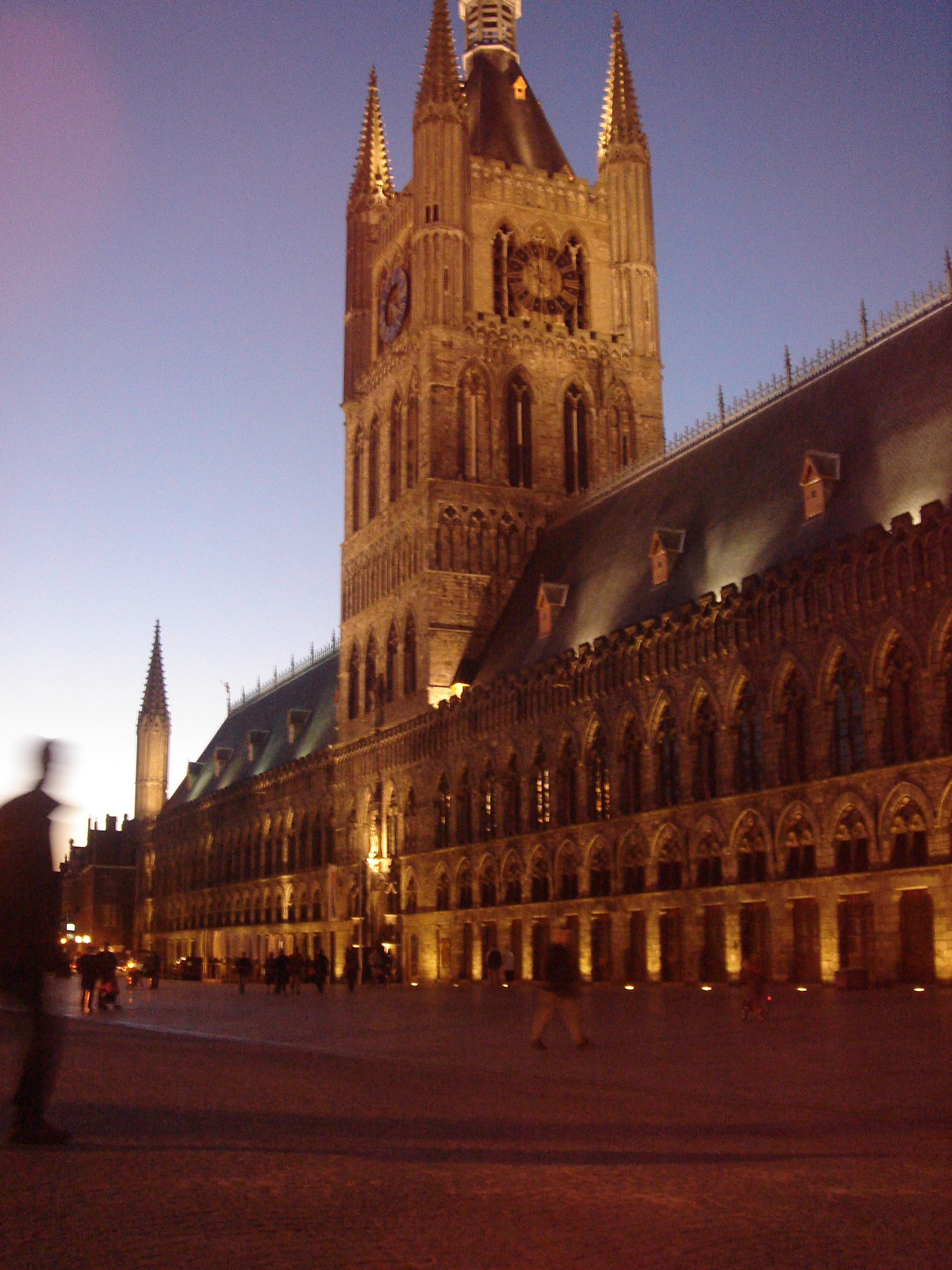
The Iper Cloth Hall, home to the Flanders Fields Museum

The Iper Cloth Hall, home to the Flanders Fields Museum

However during this dark time, a ray of light, a glimmer of hope sprang from the small town of Poperinge. The village is situated about 12 km from the town of Ypres, today know as Iper and during the war as ‘Wipers’ by the Commonwealth forces.
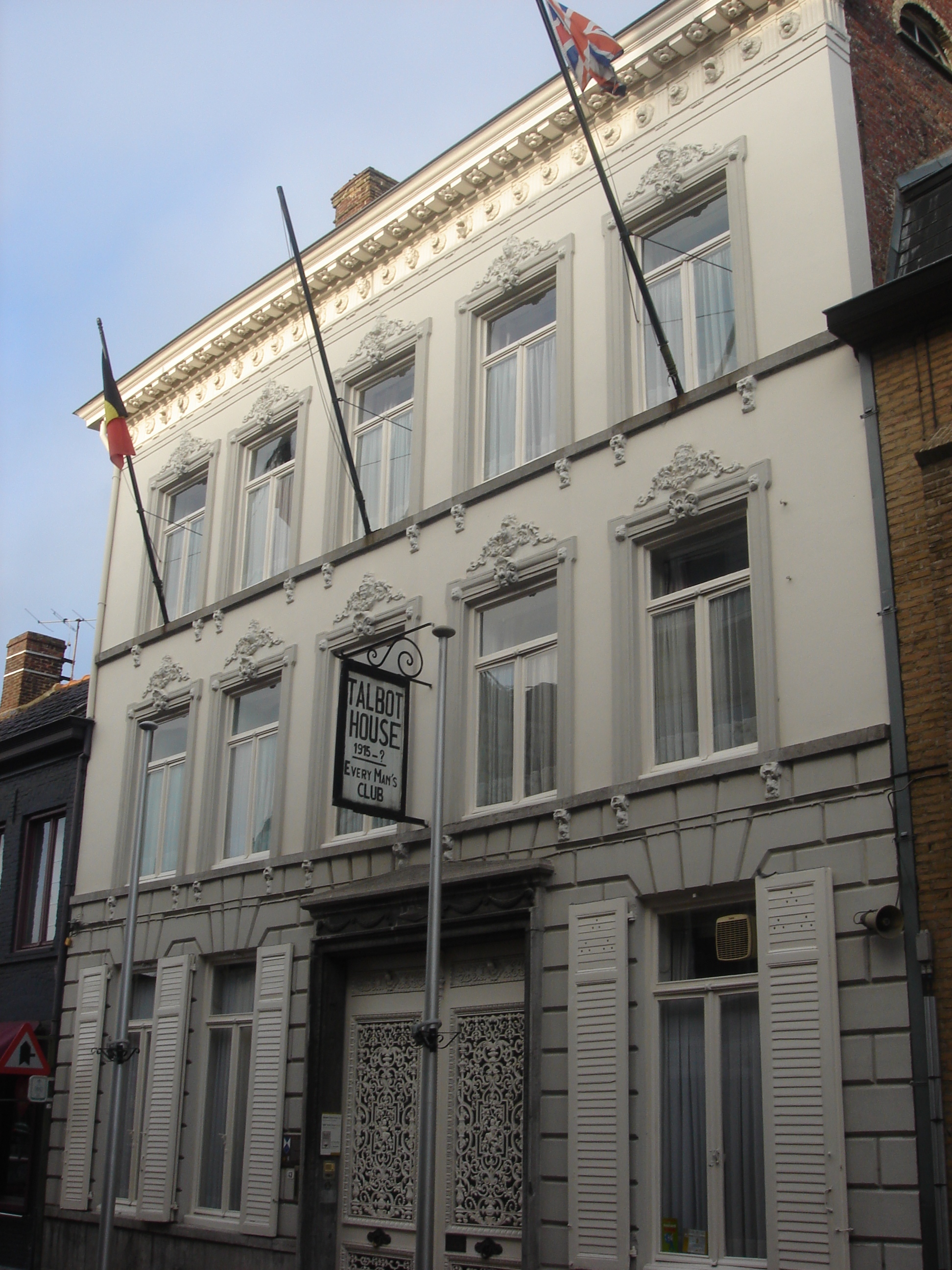
The front facade of Talbot House

The front facade of Talbot House

This glimmer of hope was called Talbot House. Talbot house was founded as a ‘every mans’ club by army chaplains Neville Talbot and Philip ‘Tubby’ Clayton. It was set up without discrimination of rank as a respite from the horrors of war. Men could shower and sleep in a clean bed often for the first time in months. Even if only for a short time, Talbot house was designed to allow men to forget the war and atrocities associated it, like Tubby Clayton said, it was “An Oasis in a World gone mad”.
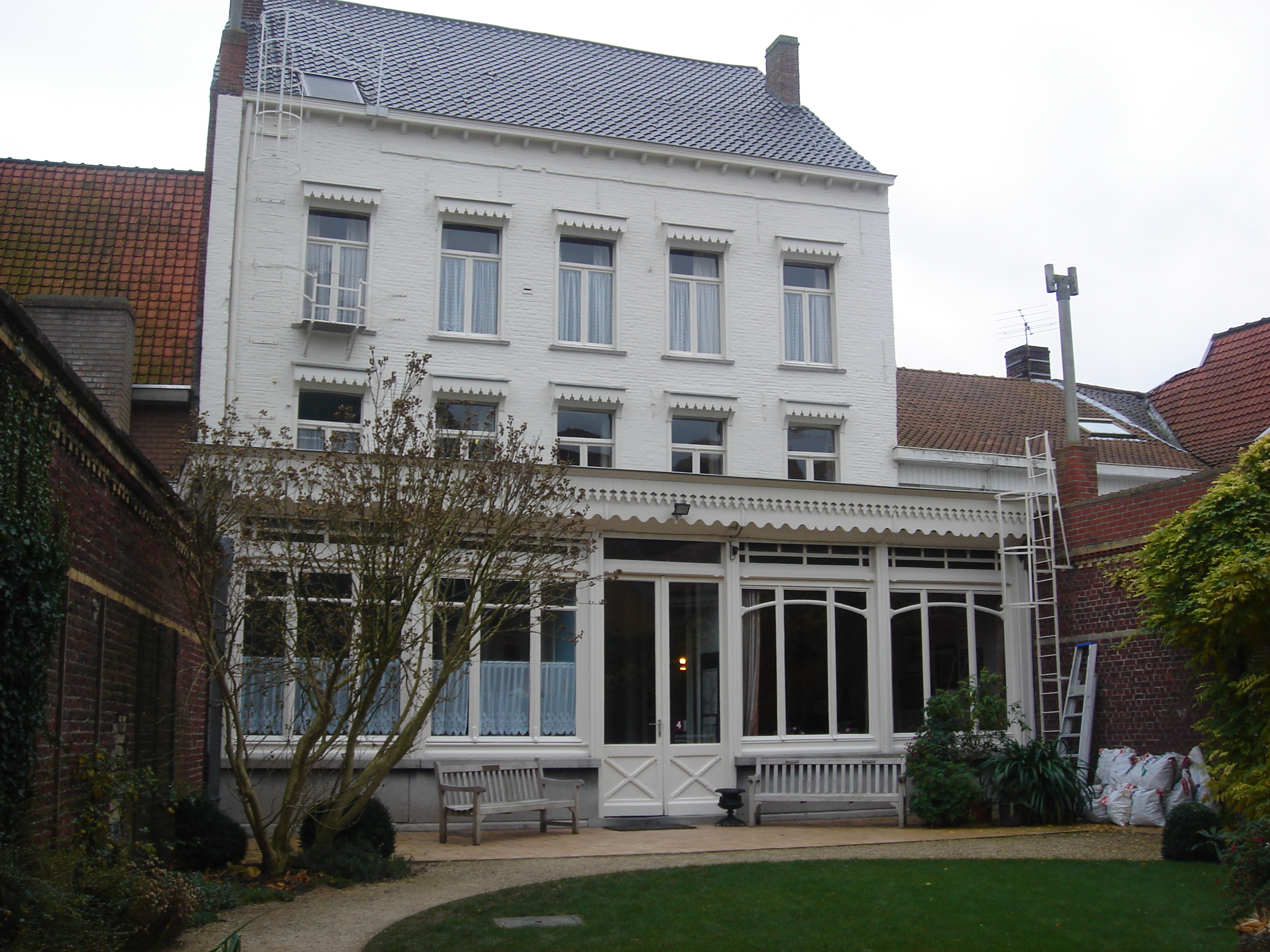
 

Talbot House from the rear gardens

Talbot House from the rear gardens

Now days Talbot House is not only a museum but also a guest house with nine rooms in the original building and three rooms in the garden block. Staying at Talbot House truly gives you a very unique experience and a historical link to your Battlefields visit. The staff are very friendly and incredibly knowledgable and more than happy to sit down with you and help you plan your visit to the surrounding sites. Their hints, tips and advice all designed to ensure you get the most from your visit of the region, and it certainly helps getting some insider knowledge of out of the way places, monuments and cemeteries.

Talbot House is a great base to explore the region. From Poperinge you can easily visit the Tyne Cot Cemetary, largest in the region, or the Canadian Memorial commemorating the first use of mustard gas. Not far from Poperinge are some intact German trenches where Adolf Hitler served and was almost captured by Canadian troops and numerous other cemeteries and monuments.
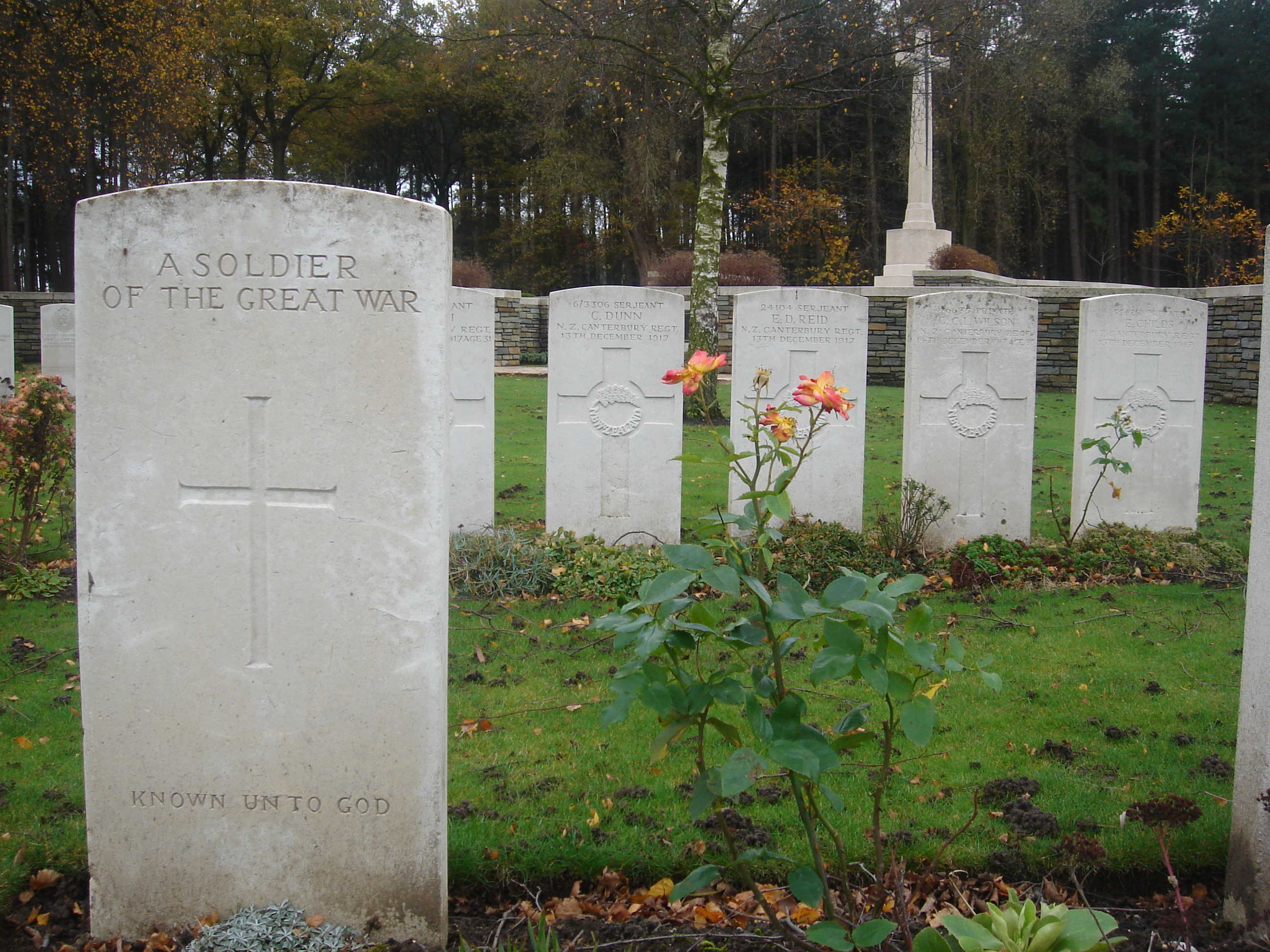
One of the many Commonwealth War Graves around Poperinge

One of the many Commonwealth War Graves around Poperinge

Most convenient of all is the proximity to Iper which houses the stunning In Flanders Fields Museum and the famous Menin Gate. No visit to the region is complete without attending the Last Post ceremony at the Menin Gate. At around 8:00pm every evening the Last Post has been played uninterrupted, (except during the Second World War) since 1928 and is an absolute must if in the area.

The Menin Gate in Iper with 54,896 missing soldiers names engraved on it
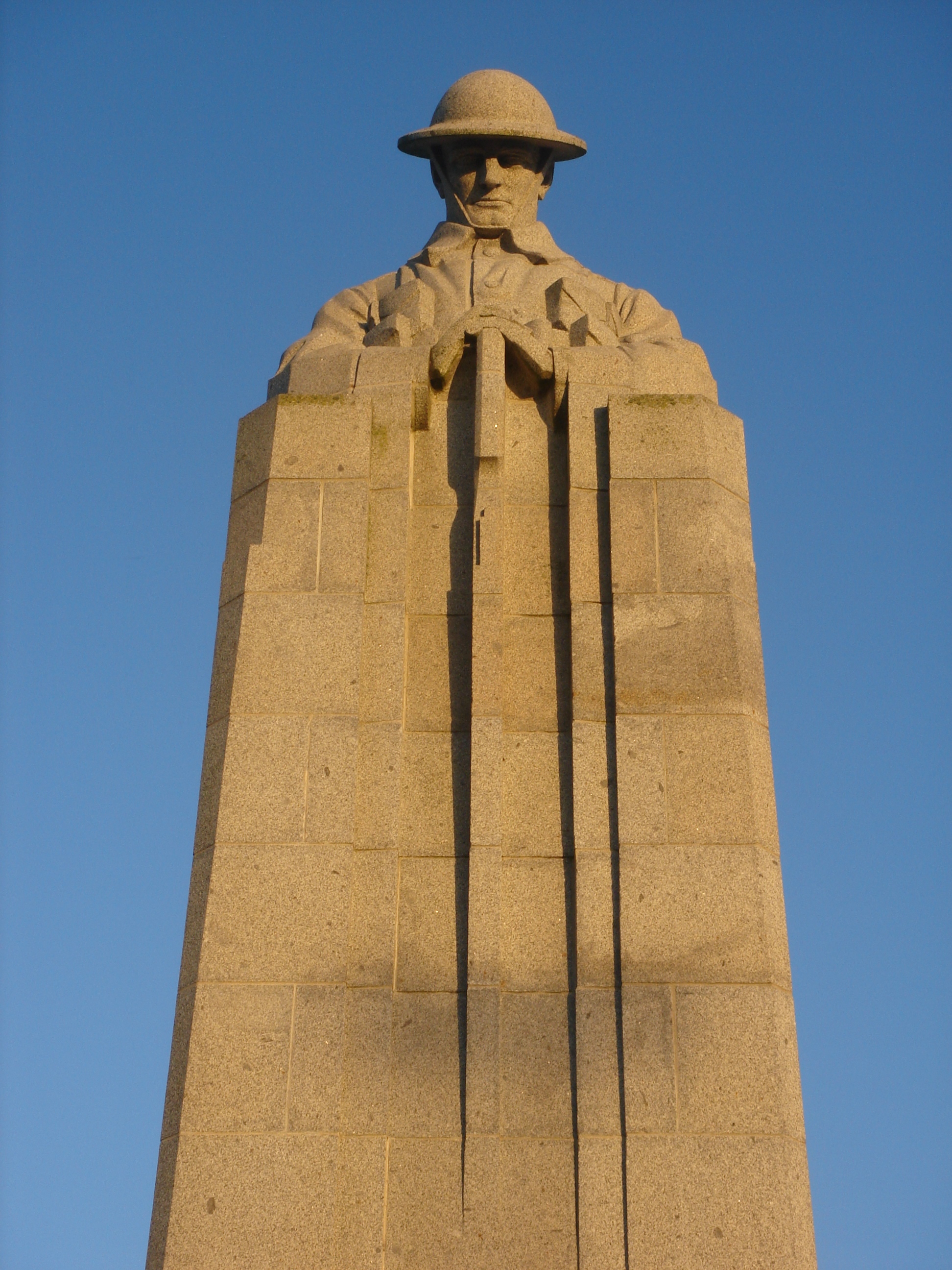
Vancouver Corner Memorial to the first ever mustard gas attack

Vancouver Corner Memorial to the first ever mustard gas attack

The next four years will be a sombre time for reflection and remembrance for the thousands of lives lost many of which perished in the mud of Flanders Fields. However while it is important to remember the tragedy that was the Great War, we should also remember men like Neville Talbot and Tubby Clayton and celebrate what they did to help alleviate the suffering of those weary soldiers. By basing yourself in Talbot House you are honouring their efforts, in a special way you are remembering those who fought and most importantly, you are keeping this amazing piece of history alive.

– Dean

“In all my experience I have never known a place so vital to morale as Talbot House”

– General Sir Herbert Plumer, 1928

The Magic and Wonder of Prague’s Charles Bridge

The ancient splendour and beauty of Prague, a city beyond compare, left an impression on my imagination that will never fade

–       Richard Wagner

Walking the Castle District or the Old Town of Prague is like walking through the streets of a fairy tale. Colourful facades, a stunning mix of architectural styles it is easy to see why the city is the Central European Hollywood. Every turn leads down a picturesque alley way or beautiful square that could easily be the scene from a movie. In fact over the years Prague has starred in Mission Impossible, XXX, Amadeus, Ghost Protocol and Casino Royale but to name a few.

Somehow every visitor to Prague is drawn to one spot in particular, as if by a force of gravity, and that spot is the majestic Charles Bridge.

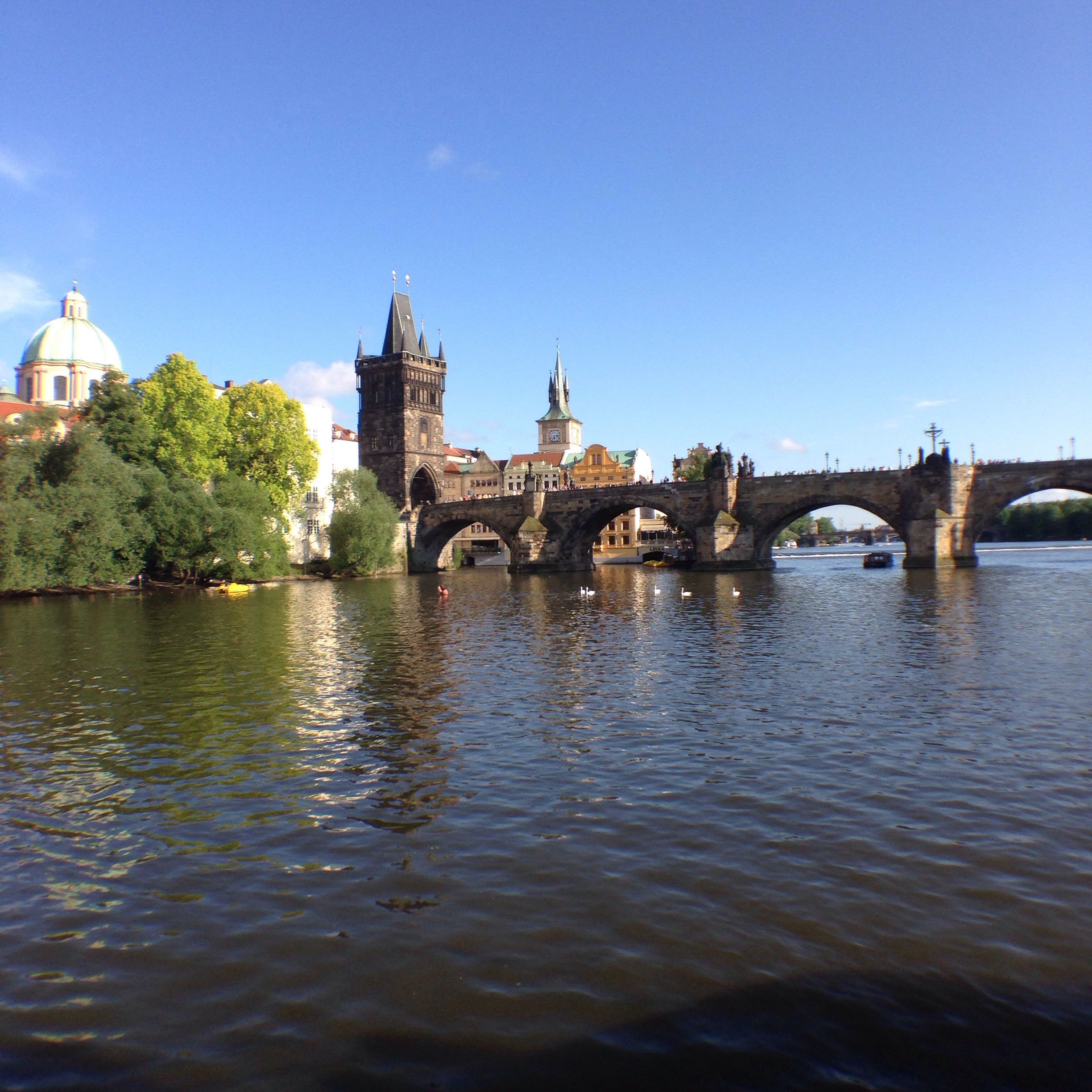
Charles Bridge as seen from the River

Charles Bridge as seen from the River

Now like any good fairy tale or folk story the Charles Bridge is shrouded in myth and legend, much like the thick mists that can envelope the bridge itself during winter. This fact and fiction is easily blurred when talking about Prague’s tourist showstopper.

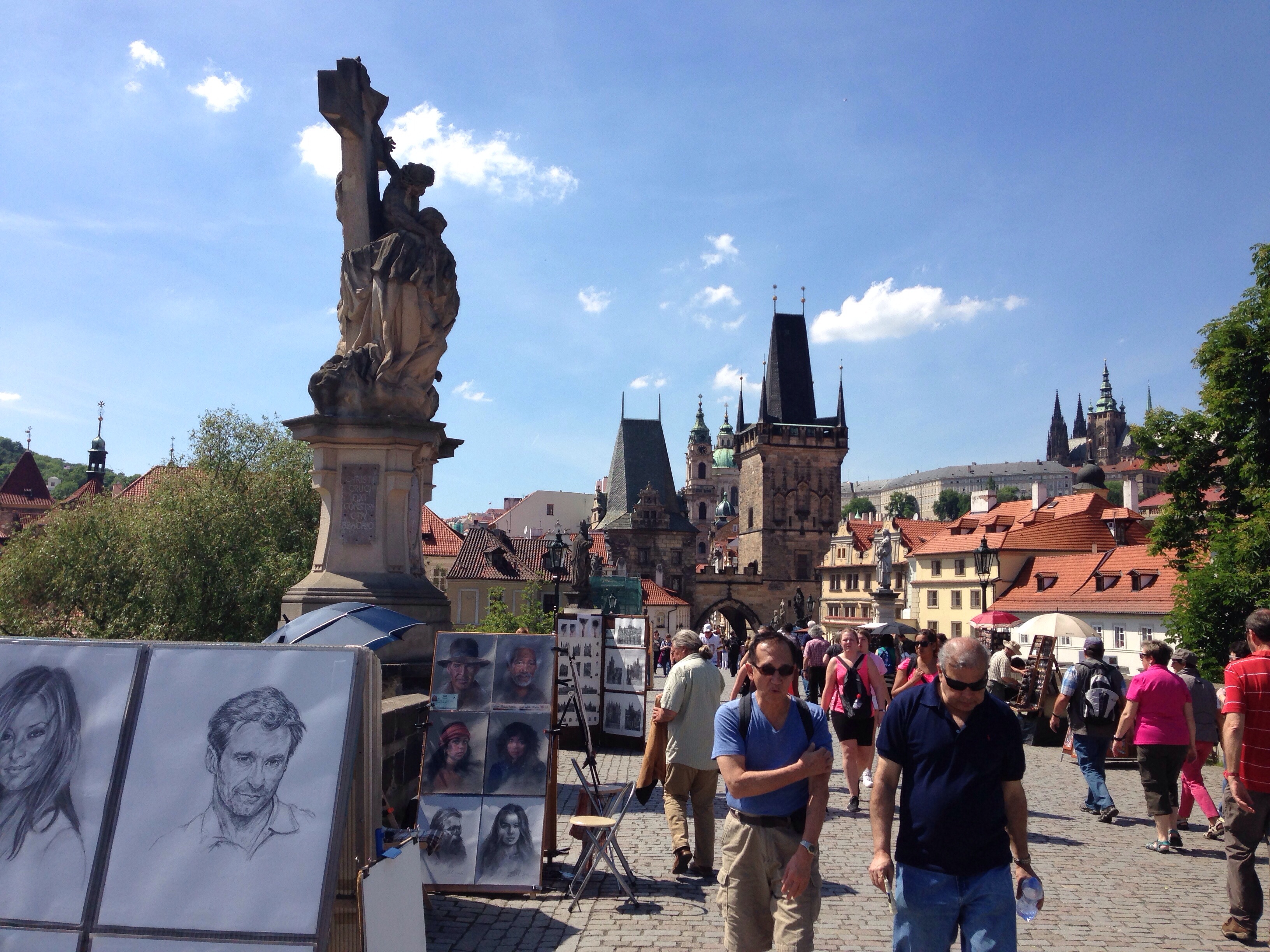
Charles Bridge has two faces, the hustle, bustle and energy of the day and the magical and mysterious by night. During the day the bridge is packed. Tourists and locals alike jostle for position for that perfect photo of the Castle, or peruse the myriad of artists plying their wares. You will find hand made jewellery; caricature artists and some amazing painters and photographers lined either side eager to help you spend money. Not only that but it is not uncommon to find jazz bands, Dixie bands and soloists all eagerly entertaining passers by hoping for a generous coin or two thrown into their hat.

Artistic creations  galore adorne the bridge by day

Artistic creations galore adorne the bridge by day

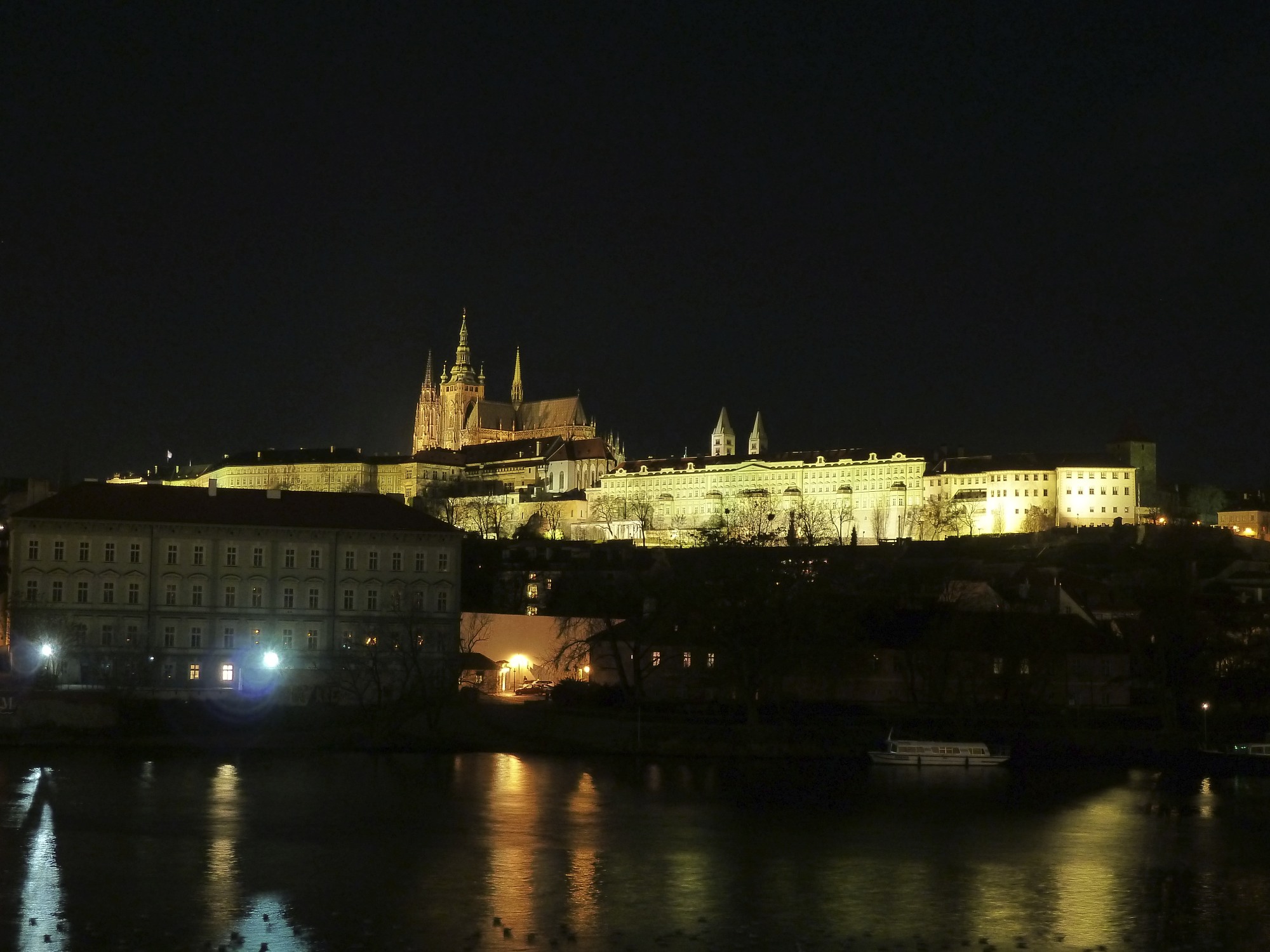
At night however the bridge really comes alive. Towering over the bridge the illuminated Castle looks more like a giant painting or film set than the seat of the Czech Government. The towers and statues illuminated at night throw an eerie light over the bridge and you can feel the myths and legends enveloping you from all sides. While the Charles Bridge is great fun during the day to get a real sense of the true magic of the bridge you must visit it at night.

Prague Castle at night from Charles Bridge

Prague Castle at night from Charles Bridge

Now as we said what is fact and what is fiction can be hard to separate in Prague but as the saying goes, ‘Never let the truth get in the way of a good story’ here are a couple of our favourites and the most famous ones.

First is the construction date, Holy Roman Emperor Charles IV was not only devoutly religious but also believed heavily in numerology. So to construct the bridge he consulted his numerologists to find the perfect date to lay the foundation stone. That date? The year 1357, 9th day of the 7th month at 5:31 am in the morning, or a pyramid of odd numbers

9

7   7

5         5

3                 3

1                       1

Fact or Fiction? Actually fact!

Second legend states that as the bridge was being built a number of the arches would continually collapse when one day there was a huge crash of thunder and strike of lightening and the devil (who thanks to the Simpsons will forever look like Ned Flanders for me) appeared and offered to help. The Devil promised to help the young architect complete the bridge on the provision the first soul to cross it was the Devil’s reward. One the day of completion the architect thought he could out smart the Devil and bought a rooster down to the bridge. Little did he know however that while he was mustering up the rooster the Devil had gone to the architect’s home and told his wife that she was desperately needed at the bridge. When the architect arrived at Charles Bridge he saw his wife rushing across the bridge and realised the Devil had won their game of wits!

Fact or Fiction? I think we better say fiction on this one, but the Devil does appear a lot in Central European and Germanic mythology so you never know!

Third legend believes that Charles IV insisted that every village in his Kingdom supply him with a horse cart full of eggs so the egg whites could be used in the mortar to hold the bridge together.

Fact or Fiction? Fact! Egg whites were also used in the construction of St Vitus Cathedral as well. As the story goes one village supplied the Emperor with a cart of boiled eggs. Now if the architect had of released the rooster over the bridge it begs the question, what comes first, the chicken or the egg?

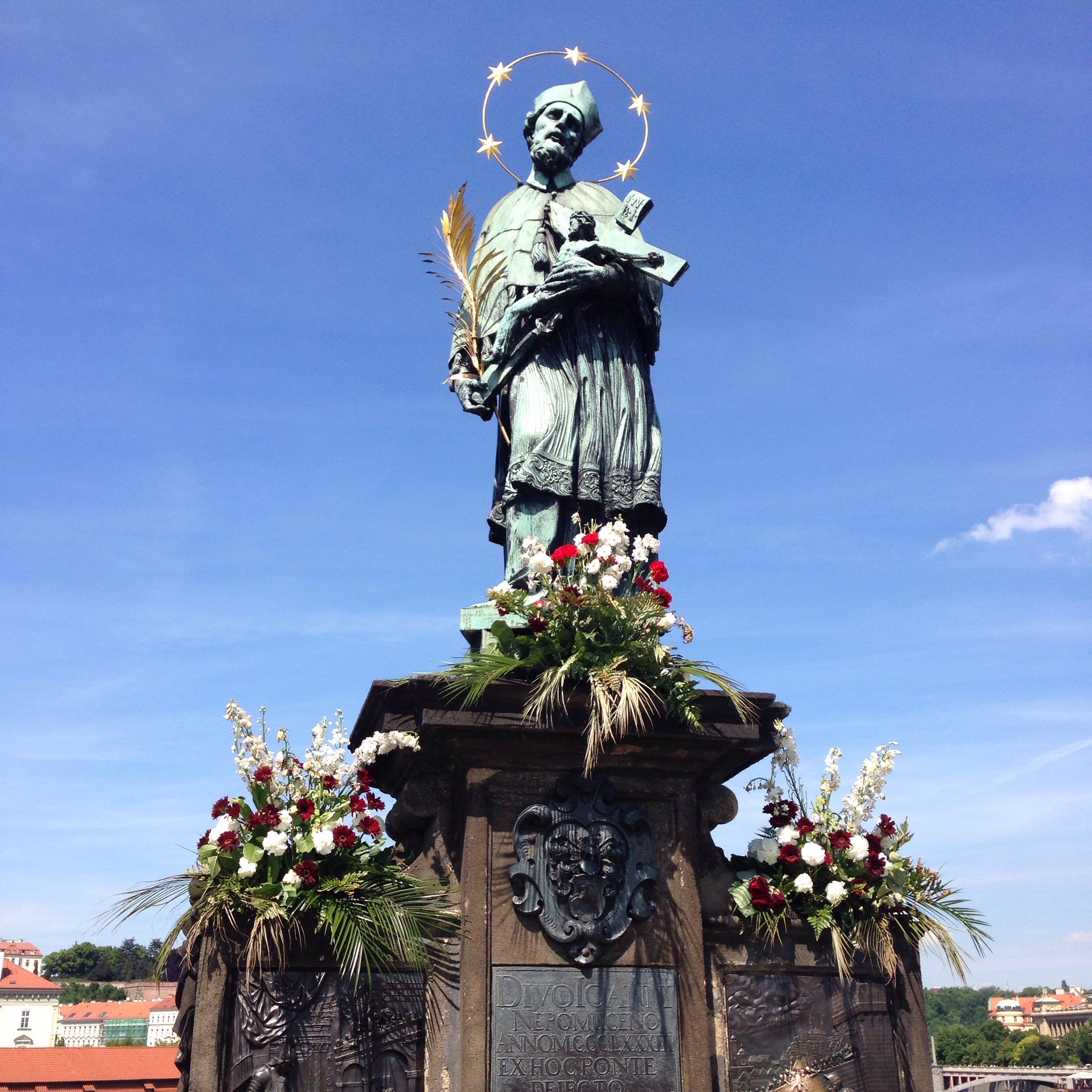
Poor old Jan of Nepomuk, Patron Saint of Bridges

Poor old Jan of Nepomuk, Patron Saint of Bridges

The final legend relating to Charles Bridge is based around the most famous statue on the bridge, that of Jan of Nepomuk. He was the court priest to Wenceslas IV the son of Charles. Wenceslas was a quite a horrible man, he would often walk around the markets of Prague in disguise and if a merchant sold him under weight good he would have the merchant nailed to his scales, and he allegedly had a chef roasted alive one evening for ruining his dinner!

Now Wenceslas confronted Jan and demanded to know what the Queen had told him during her confession. Jan refused and as punishment the King had Jan’s tongue cut out, he was tied up in a sack and was thrown off the Charles Bridge into the heaving Vltava River below! Jan’s body then floated in the same spot for several days and when it sank a ring or crown of five stars circled the water where his body disappeared. Amazingly Jan of Nepomuk is now the Patron Saint of Bridges!


Relief one, rub for good luck

Relief one, rub for good luck


Relief two, rub to return to Prague

Relief two, rub to return to Prague

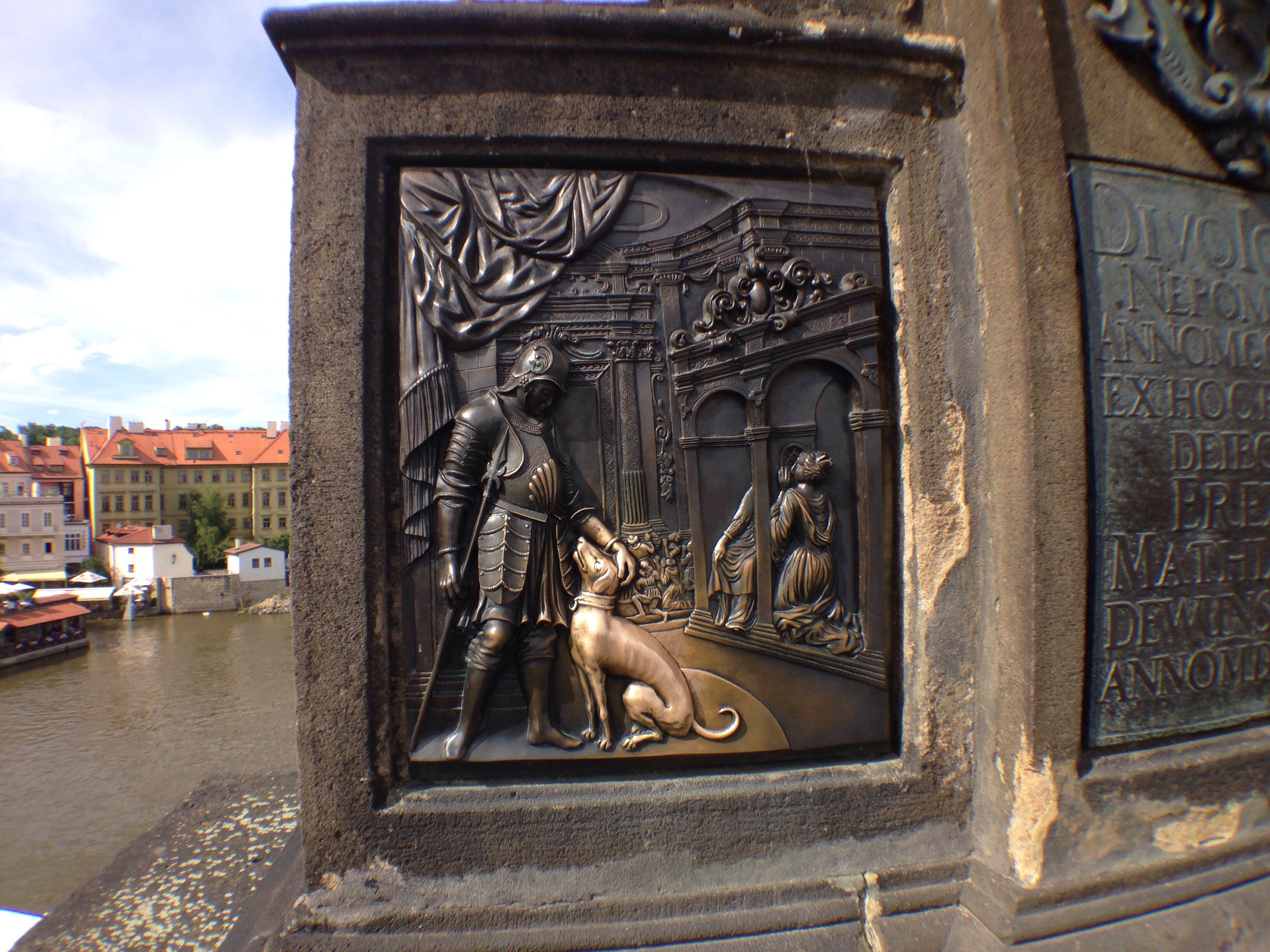
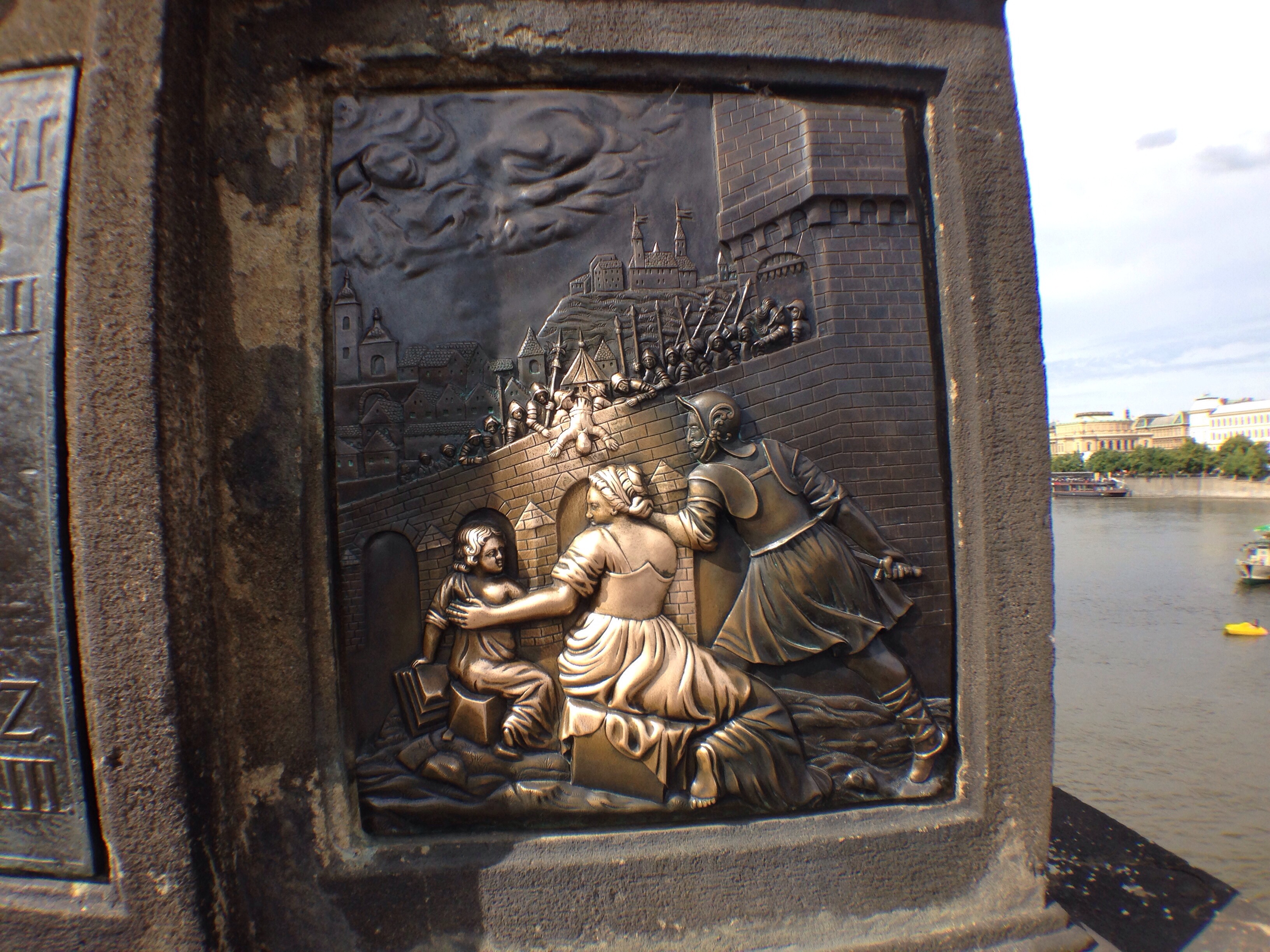
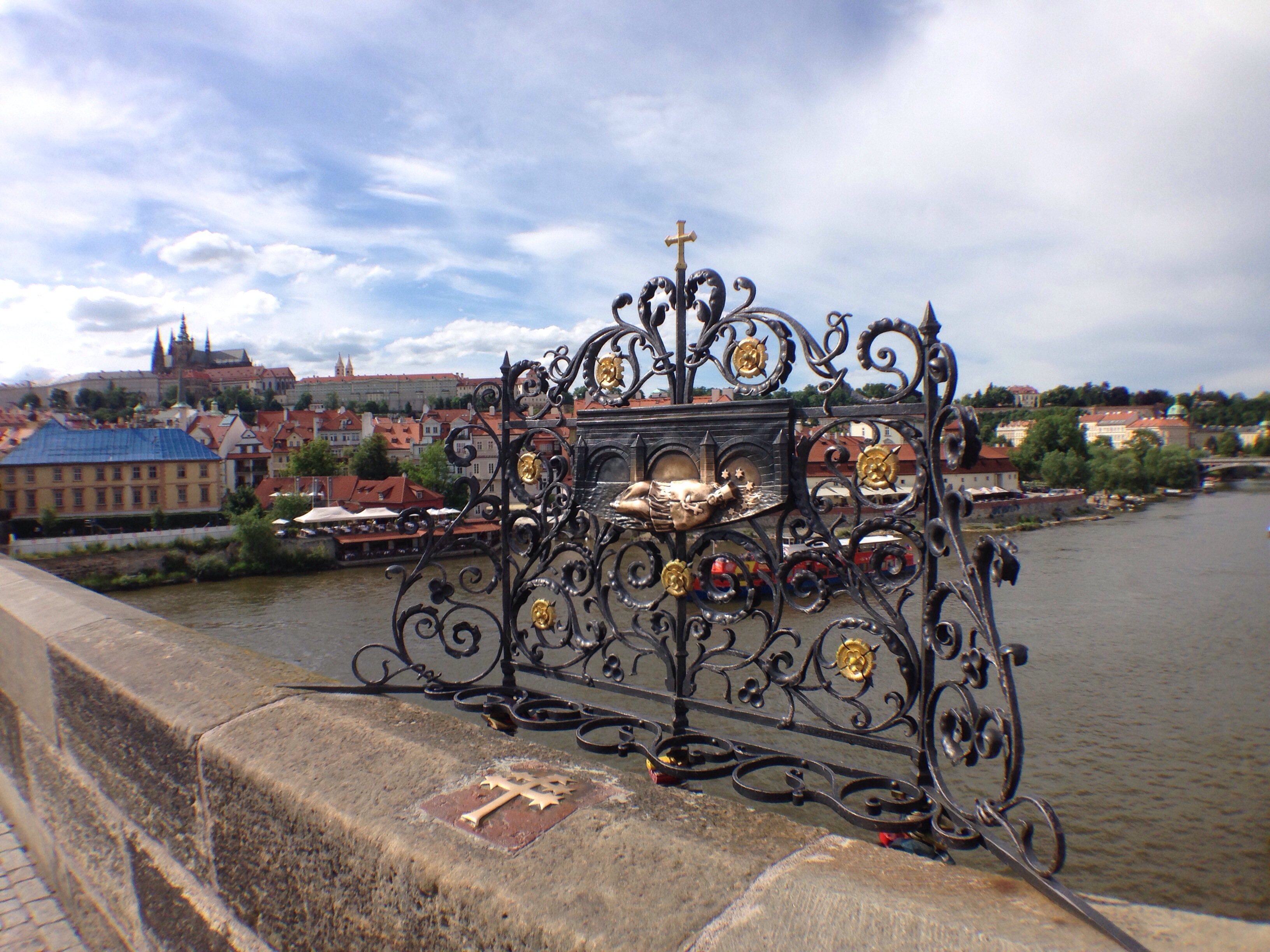
The Charles Bridge’s most famous statue is of Jan and below it are two reliefs. The one on the left shows a solider patting a dog and represents loyalty and the relief on the right shows Jan being thrown into the river. Rubbing the relief of the solider is supposed to bring you good luck and rubbing the relief of Jan being thrown from the bridge means you will return to Prague. A little further down the bridge is a small iron framework with a depiction of Jan floating below the bridge. This is the exact point where he was thrown to his death; it is also good luck to rub this one.

The site where Jan was thrown to his watery grave

The site where Jan was thrown to his watery grave

Fact or Fiction? Well a little bit of both. Jan was thrown to his death off Charles Bridge but it is believed because the Kind didn’t agree with the new Archbishop Jan was going to appoint. Lets be honest, the confession story is far more exciting.

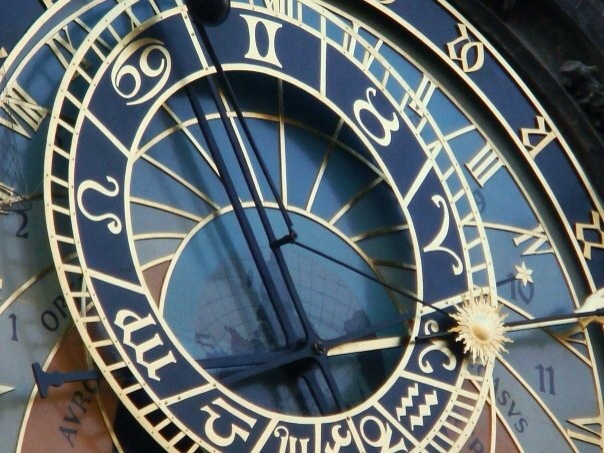
There are many more myths and legends about the bridge but also about Prague itself. The foundation of the city, the Astronomical Clock in the Old town are all steeped in scurrilous rumours, magical stories some with a hint of truth but many passed down from generation to generation from medieval times.

The famous Astronomical Clock, also surrounded by myth and legend

The famous Astronomical Clock, also surrounded by myth and legend

One thing is for sure, like Richard Wagner said the legends of Prague and experiencing Charles Bridge in all its glory is something you will never forget.

Do you have a favourite myth or legend of Prague? If so leave a comment or link below.

Das Schnitzel Kaiser

Walk into just about any restaurant, pub, or beer hall in Germanic Europe and there is sure to be one staple on the menu, the schnitzel. In fact the schnitzel and its various incarnations can be found all around the world. Veal, pork, chicken, turkey even fish and vegetables can all be given the schnitzel treatment.

In Australia it takes the form of the mighty chicken parmigana, a breaded chicken fillet, covered in Parma ham, tomato sauce and melted cheese. In the USA there is a hotdog chain called Wiener Schnitzel, but for the real deal or as I like to call it,  “Das Schnitzel Kaiser” or ‘The Schnitzel Emperor’ we have to head to the source where it all began – the Austrian capital of Vienna.

Now before we dive in and devour our schnitzel it is worth mentioning there is some controversy over the schnitzel’s origin. Most agree that the schnitzel recipe was bought to Vienna by Austrian General Joseph Graf Radetzky, a man more famous for the musical piece composed bearing his name by Johan Strauss Senior than any military victory he ever achieved. While down in Milan he discovered the Cotolleta alla Milanese and upon his return to Vienna the Emperor Franz Joseph, asked for the recipe.

Another story believes it originates from the Byzantine Empire, where in the 800’s Emperor Basilieios insisted on eating meat covered in sheets of gold! As you can imagine this practice was frightfully expensive so the sheets of gold were replaced with the golden coating of breadcrumbs. Regardless of the origins, Vienna is where one must head for the perfect Wiener schnitzel.

Wiener Schnitzel is the national dish of Austria, and the term Wiener schnitzel is rigidly protected. To call your schnitzel a Wiener schnitzel it must be veal, any other meat and you may refer to it as the Wiener Style, the Wiener Art or the Wiener Escalope, but not, repeat not a Wiener schnitzel.

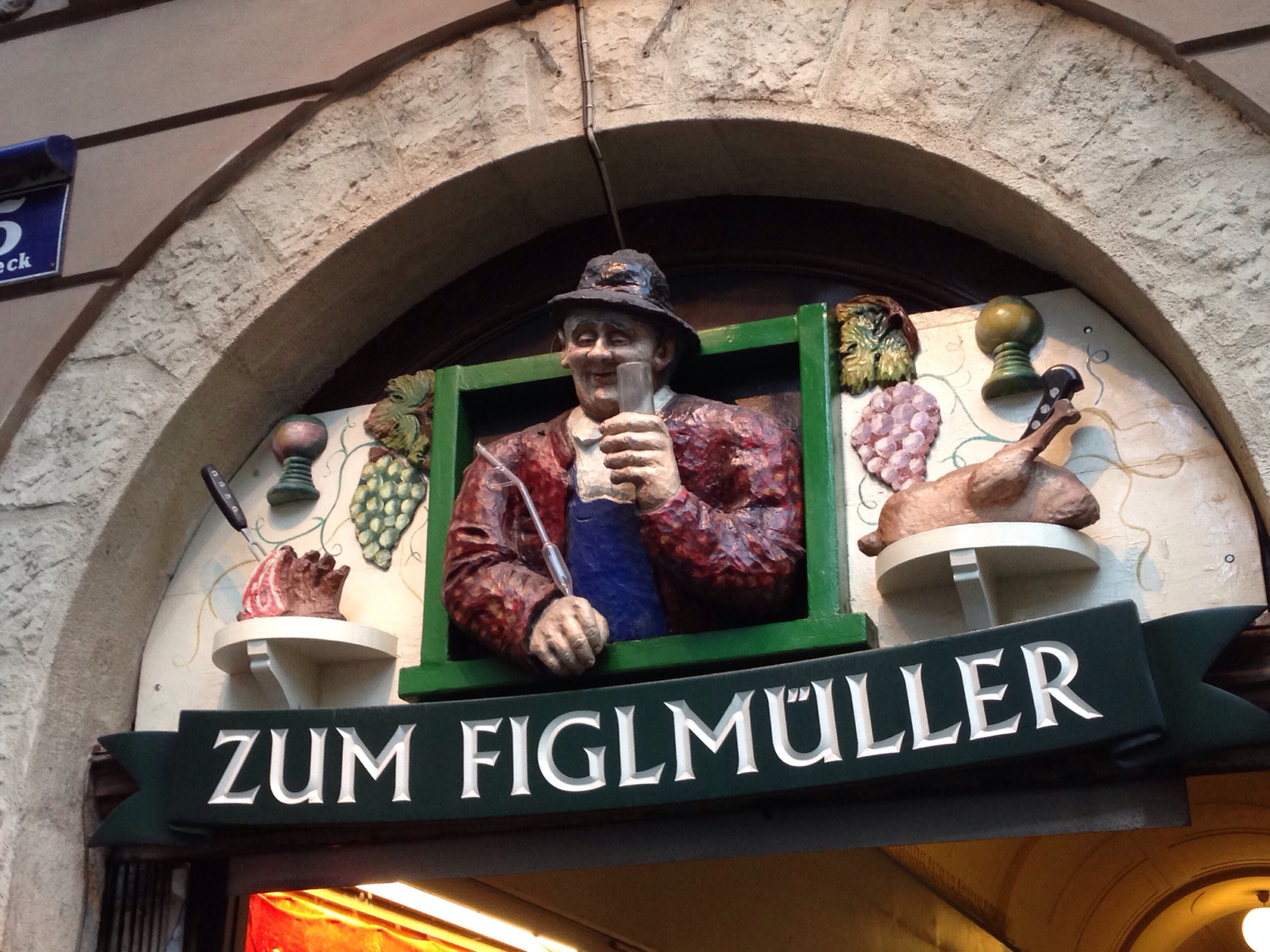
This way to schnitzel heaven

This way to schnitzel heaven

Just like the Emperors of old, there is one Vienna institution that towers above all others in the culinary world of the schnitzel, a restaurant called the Figlmüller. In this small little restaurant nestled in the back alleys of St Stephens Cathedral, Figlmüller has been dishing out world-renowned schnitzels since 1905. So popular has it become that literally just around the corner a second restaurant was opened in the early 2000’s and every night people hungrily wait in line to try this enormous piece of history.

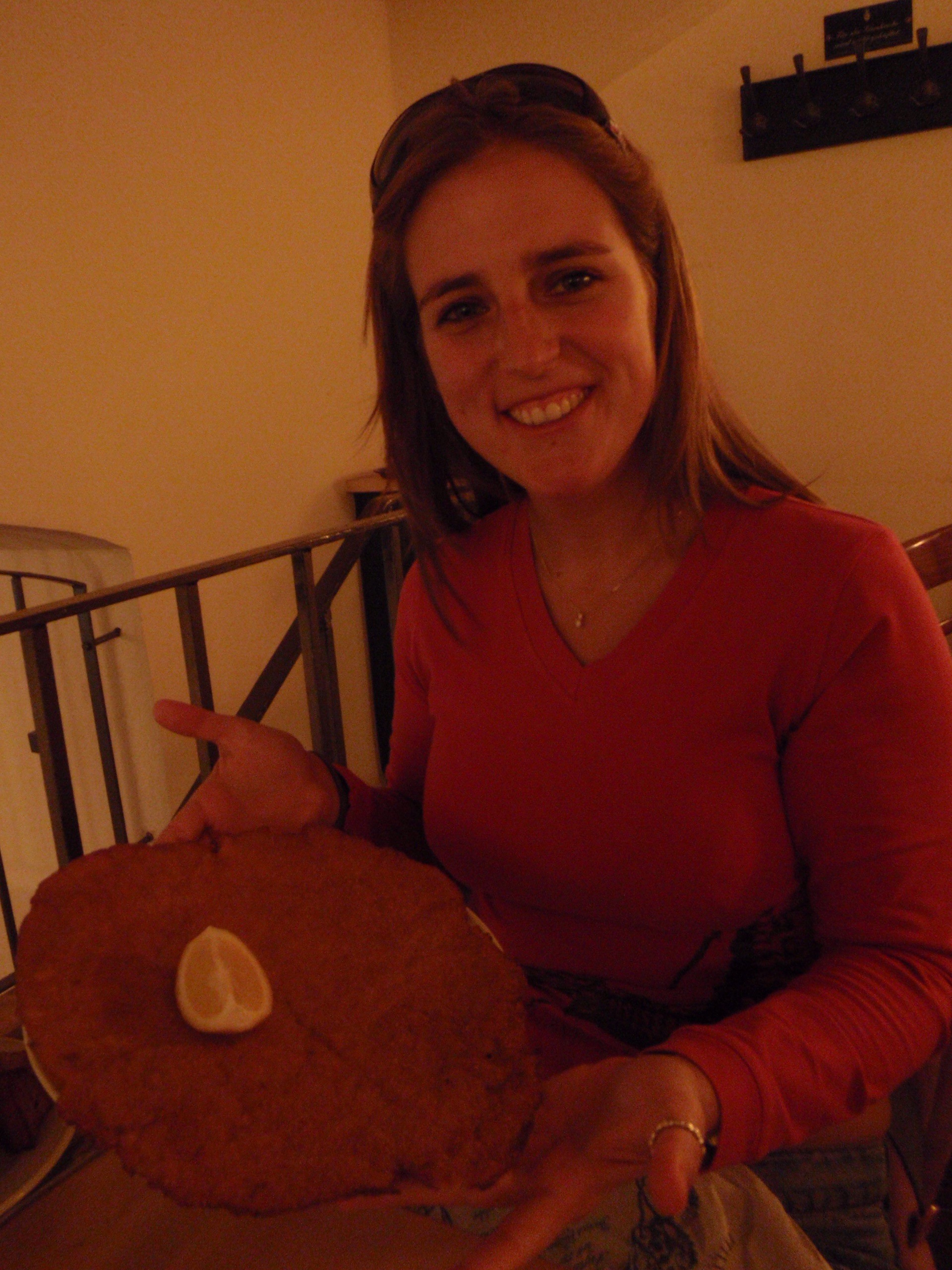
Natalie with her monster Schnitzel

Natalie with her monster Schnitzel

Painstaking attention to detail and schnitzel pride come to the fore to feed the starving masses a schnitzel that is the size of a pizza. Every cut of meat in hammered out by hand with a mallet until it is wafer thin and roughly 30cm in diameter. It is then shallow fried in three different pans until a golden colour. So particular are the chefs at Figlmüller only one type of bread roll is used to supply the breadcrumbs. It is served, hanging off the plate with a slice of lemon and that’s it! If you have room the traditional accompaniment is either a small green salad or a side dish of delicious Germanic potato salad, but again only if you have room.

A German friend once told me there are two ways to tell if you have the perfect schnitzel. Firstly, when you cut into the schnitzel there should be a small air pocket between the breadcrumbs and the meat, and secondly believe it or not, is to place a napkin on your schnitzel and then sit on it! That’s right, if you sit on your schnitzel and no oil soaks through the napkin you have the perfect meal. If you do decide to test this theory out on your next visit to Vienna, don’t blame us if you are asked to leave!

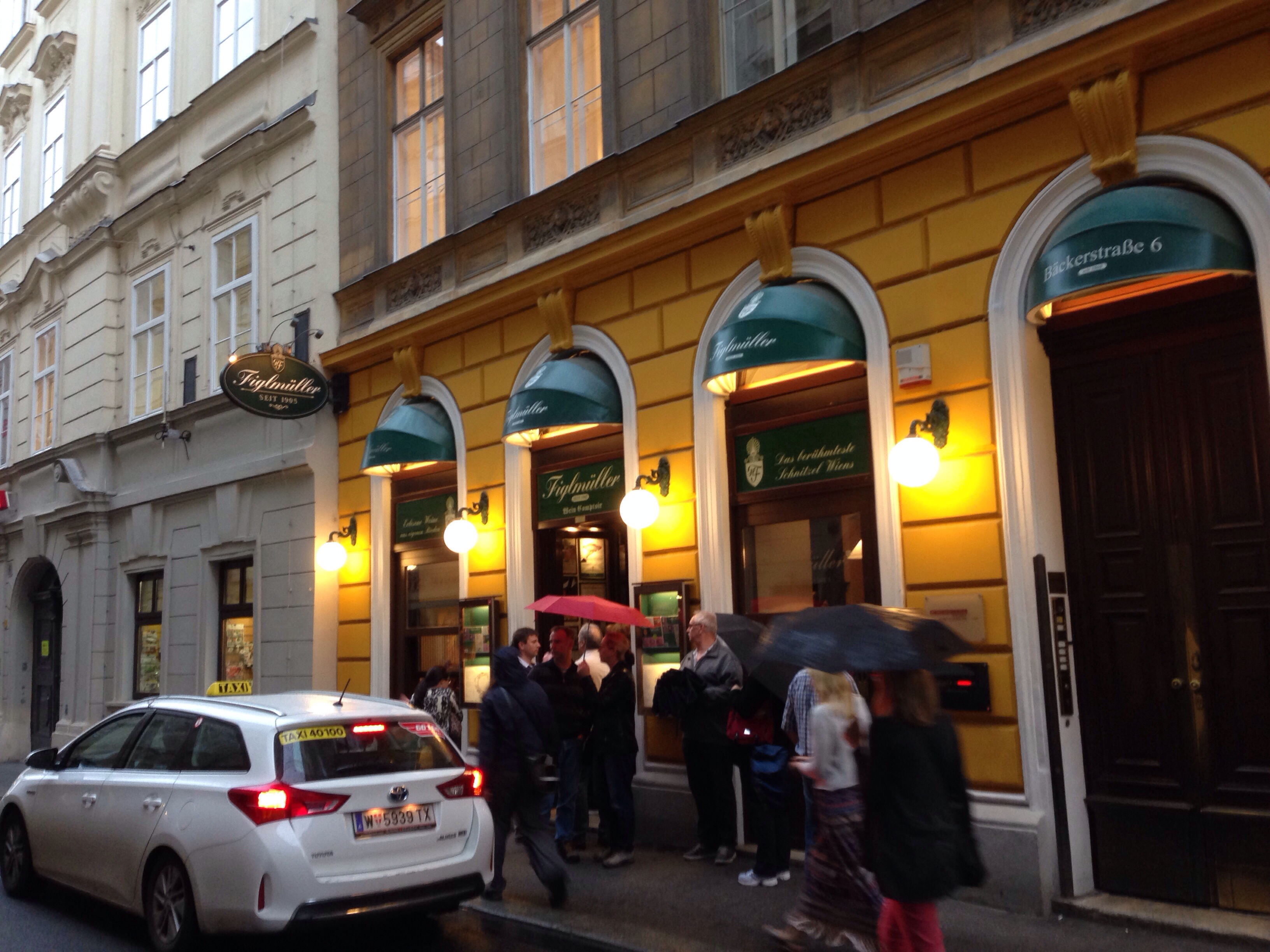
People lining up on a rainy night in Vienna

People lining up on a rainy night in Vienna

Whether you get oil on your trousers or not, Figlmüller regularly wins awards for it’s schnitzels, and the huge lines every night come rain or shine to try Austria’s National dish can’t be wrong. Figlmüller truly is ‘Das Schnitzel Kaiser’.

– Dean

The bare essentials – packing for backpacking!

It’s something that is a cross between a chore and fun. A bit of a challenge as you seek to ‘break’ your own last ‘lightest weight’ record. The necessity of packing ahead of any trip is something that we can’t escape. For some it helps the rising crescendo of pre-trip excitement, for others it’s the last hurdle before departure.

All set and ready to go!

All set and ready to go!

Now we’ve all heard the rule of thumb: lay everything out and halve it. But how many of us do it? Ironically I find it much easier to pack for longer trips. With a long trip you accept that you will need to do washing en route (often a tricky task and when you hand over ALL of your clothes whilst hoping the passers by don’t realise you are stood in your pajamas, you pray to the Clothing Gods that your diminishing supply of socks will all come back). With a short trip you can attempt to raid your underwear draw and stretch it so you have enough pairs of pants to last for the whole trip. Whatever your style of packing, I think there are a few ‘must takes’ for every trip.

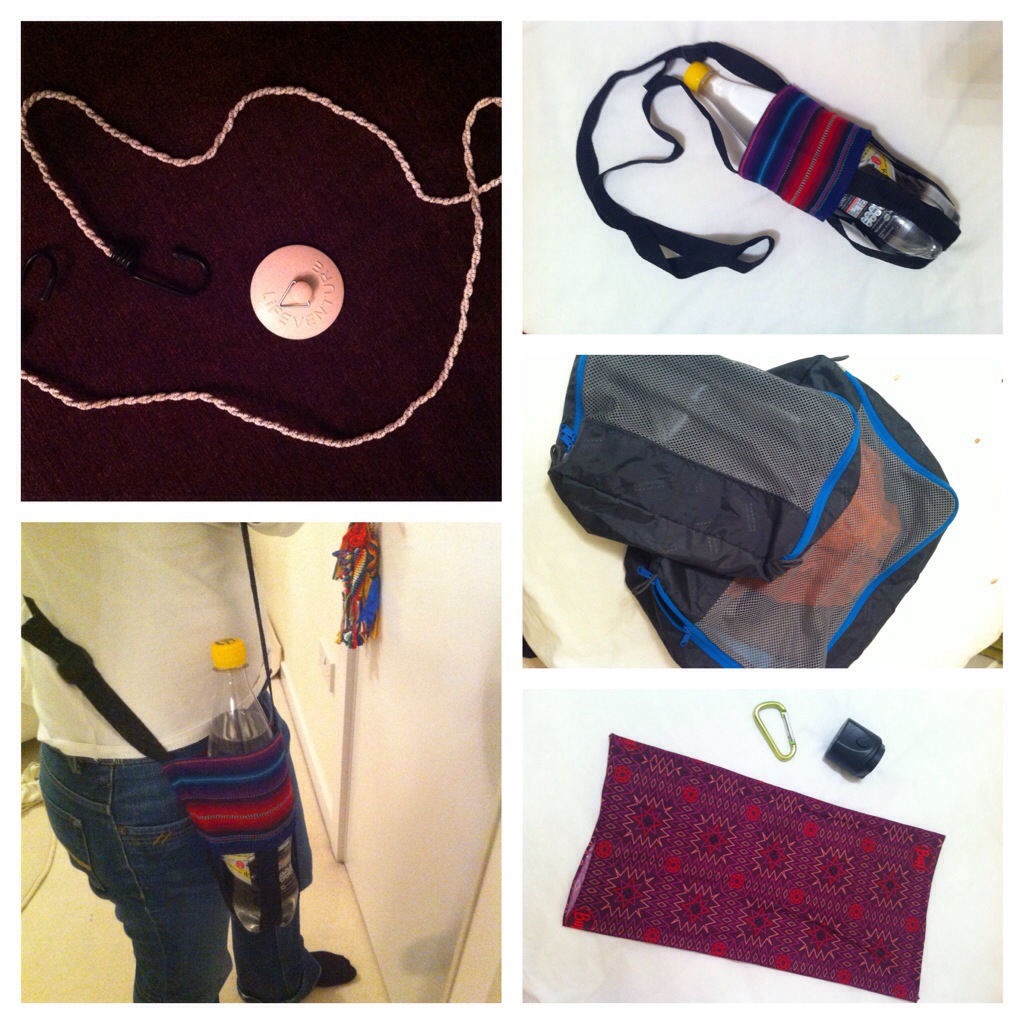
Washing line, sink plug, water bottle carrier, packing cells, multi country adapter, carabena and the best travel item ever - my buff!

Washing line, sink plug, water bottle carrier, packing cells, multi country adapter, carabinas and the best travel item ever – my buff!

For me my must takes are practical. For others they are luxury items. For example the hair straighteners don’t make my list, but I know from the questions I get asked at work they are important to some people.  They are not very practical when you are bush camping in the middle of nowhere though!  Some people have lists, others throw in what they remember at the time. For us, it’s a bit of a mixture of both.  To a certain extent it depends on where we are going, but most of the below go with me on any big (and often small!!) trip.  So here we go with my backpacking paraphernalia:

Buff – These multi wear headscarves are the best invention ever!  For me I wear mine as a scarf or a hat, or over my mouth when its dusty but above all I use it to cover my face when I’m on planes.  The modern version of an eye mask as it is so multifunctional.  Well worth the investment

Scarf for ladies (but a sarong can double for this too) – I bought a couple in Morocco that now go everywhere. Particularly good for ladies to throw over their shoulders, head or wherever necessary to cover up a bit more

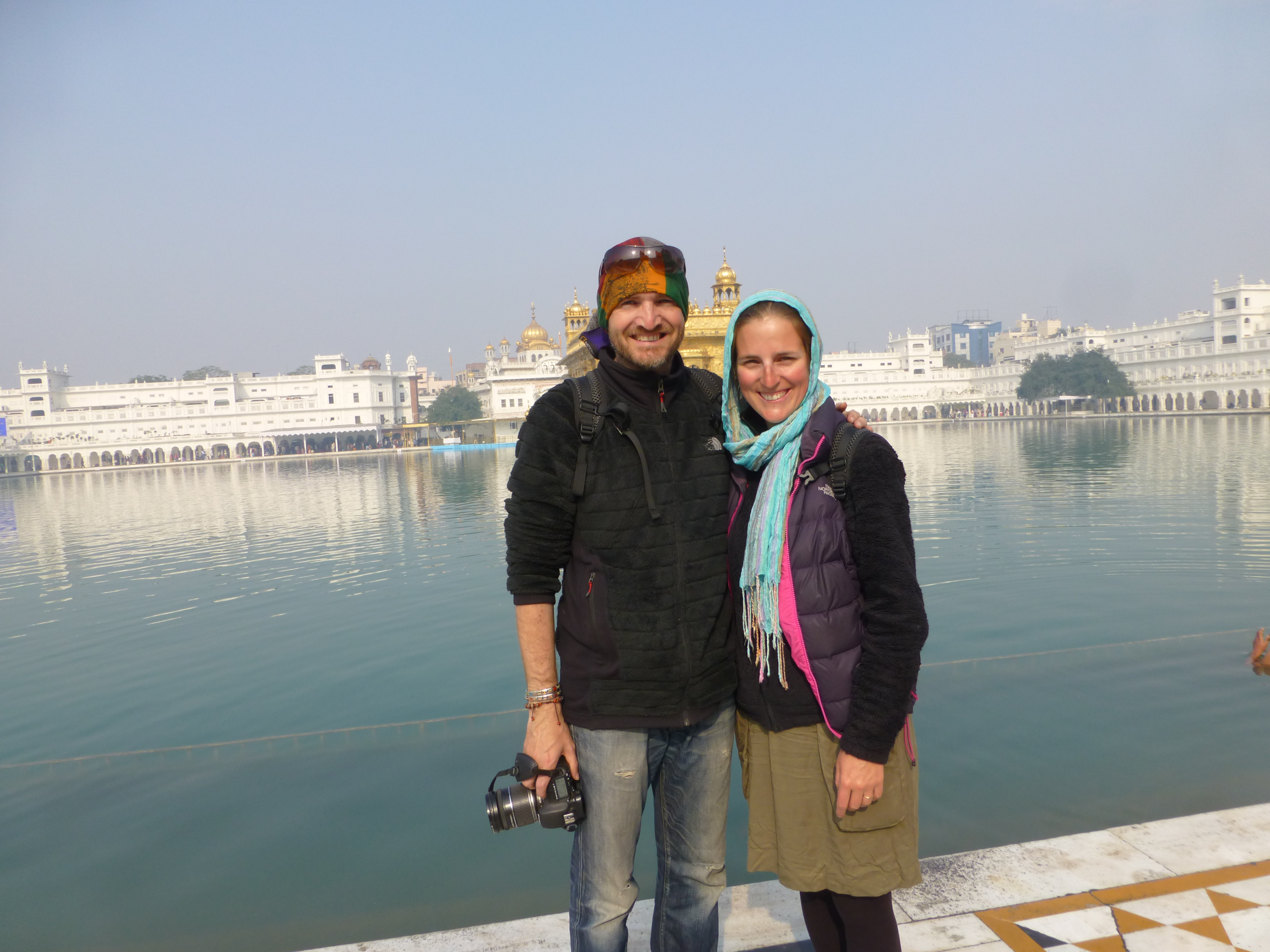
Dean wearing his buff and me wearing my scarf.

Dean wearing his buff and me wearing my scarf.


Travel skirt
– I have one trusty skirt (if you have ever travelled with me you will know exactly which one!).  It covers my knees, is super lightweight and dries easily and packs into nothing.  Great to dress up or dress down.

Packing cells –  The modern day carrier bags!  We each have a set of three – one for tops, one for bottoms and another for undies.  They keep everything together and so your bag doesn’t quite explode to the same extent when you stop.  Before I invested in these I used to use different colour carrier bags so I knew what I was pulling out!

Multi country adapter: One adapter works in most places.

Small sewing kit – Running repairs will be necessary on any trip when you have limited clothes to wear.  My tip – pick up a sewing kit from the hotel if you splurge one night!

Sink plug – whilst the travel ones are not quite perfect, they are good enough to keep enough water in the sink to do some washing. Handy to wash the three-day old socks out!

Peg-free washing line – This handy piece of elastic hangs between bushes, showers and anything you can improvise with. Just DON’T hang it off the sprinkler system!

Sleeping bag liner – sometimes in the nicest looking place outdoors, you find the bed sheets a bit suspect indoors. Always handy to have in case you don’t trust the sheets or just need a bit of extra warmth. To all those people at work who ask me if they can hire sleeping bags… this is essential!

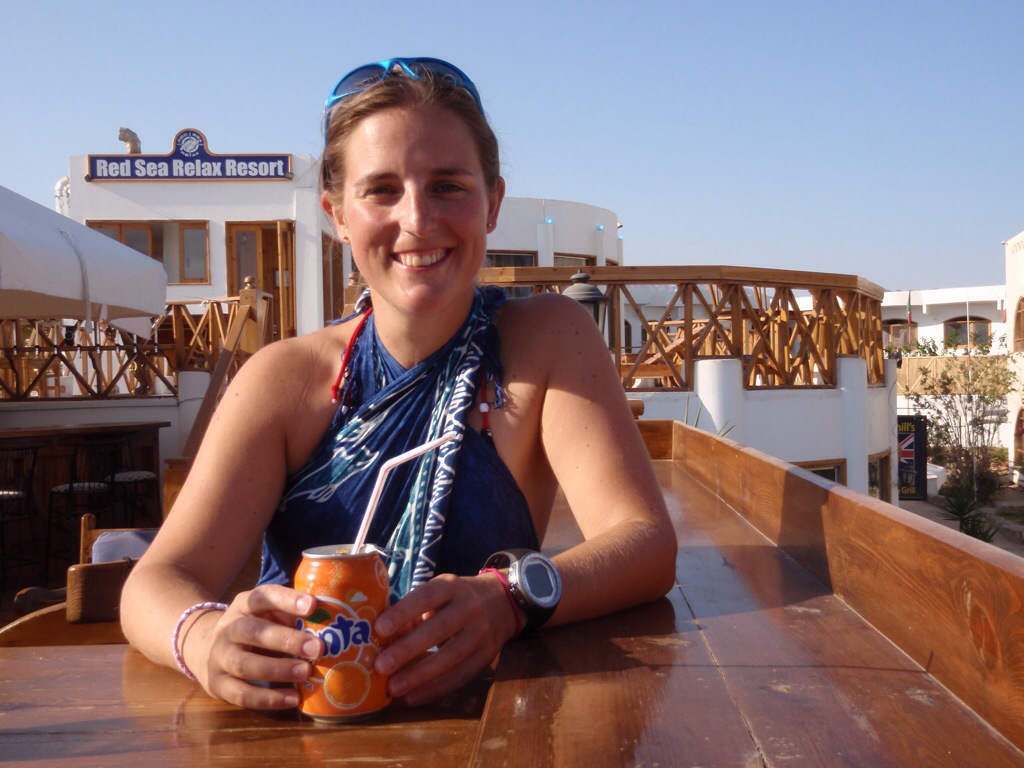
Sarong – doubles up as beach towel, skirt for a night out and drying tool when your real towel is in the wash

The sarong in action during a break in diving

The sarong in action during a break between dives


Travel towel
– These are an acquired taste, but once you are used to them they are handy and take up less space than your conventional towel

Havaianas / waterproof flip-flops – A must for a lazy day pair of shoes and to wear in the shower

Water bottle carrier – I bought a simple small fabric bottle carrier in Peru and its proved invaluable. Great when you need to take water with you but don’t want a bag

Carabinas – Great for hanging off the front of your bag in case you need to ‘dangle’ anything backpacker style! The simple answer to packing when you are running late (or have too much stuff!)

Small Handbag / Man bag – This might seem like a luxury item, but I have a small handbag that I keep all my electrical chargers and cords in.  Then if I have a night out I empty them all out and use the bag!

Small head torch – hands free lighting is handy. You might look like you are going down a mine, but you don’t have to wear it on your head. You will be grateful for it when navigating to and in and out of a long drop toilet in a snowstorm via the light of the moon (I speak from experience!)

Tiny hairbrush – I would actually argue you could leave this one out really…

Waterproof jacket – not only good as a waterproof layer, they also act as a wind breaker and help keep you warm as part of a layering system. Layers, layers, layers…. The key to warmth!

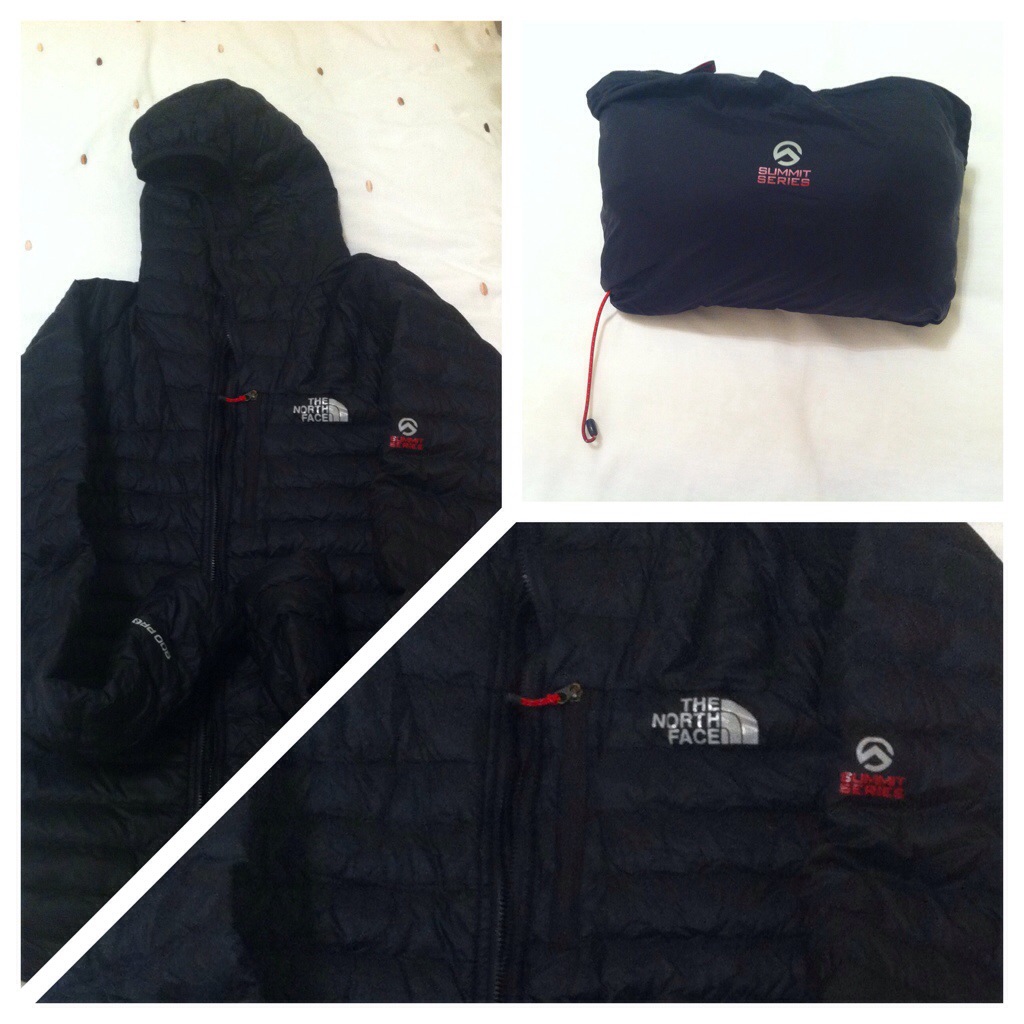
Down jacket for cold climates – These keep you so toasty and warm, are light weight and  pack down to next to nothing.  Fantastic inventions!

Warmth at a fraction of the space

Warmth at a fraction of the space

In amongst all of this I usually take about four tops and four pairs of bottoms of varying sleeve and leg length. Before every big trip at least one person has asked how I pack for so long. In truth it’s simple – get the above items in and the rest is easy. Above all, we all like to buy souvenirs en route, so isn’t forgetting something important? If only as an excuse to go shopping on holiday!

Happy Packing!

–       Natalie

P.S I don’t have a weight record as such, but if you think this list is long, before the last trip I went away prepared for -30 degrees with 12.5kg of luggage. Not bad going! Don’t ask what I came back with…

Hometown Tourist: Mind The Gap, Fine Dining on a Victoria Line London Tube

Ask any Londoner and everyone has an opinion about the tube. Increased travel costs, tube strikes, signal failures and closures due to maintenance works, we have a love hate relationship with the world’s oldest underground system. However fine dining on the tube? You have to be joking!

Well, Alex and the team at Basement Galley turned a disused London icon into an amazing pop up restaurant experience.

As we continue to explore our hometown and uncover quirky and different experiences around London, Natalie had booked the Underground Supper Club and had cryptically only told me that ‘we are going out on Saturday night’.

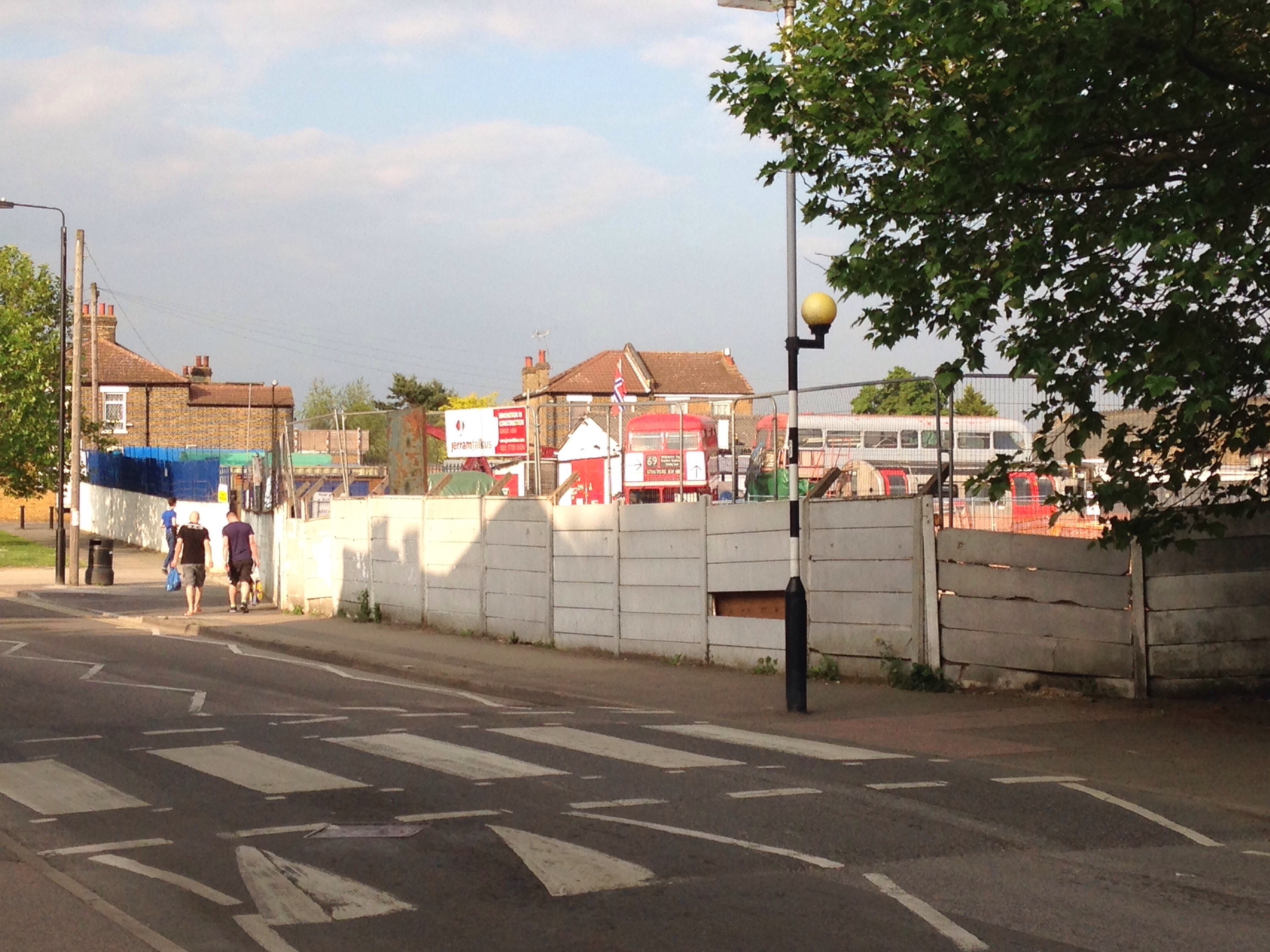
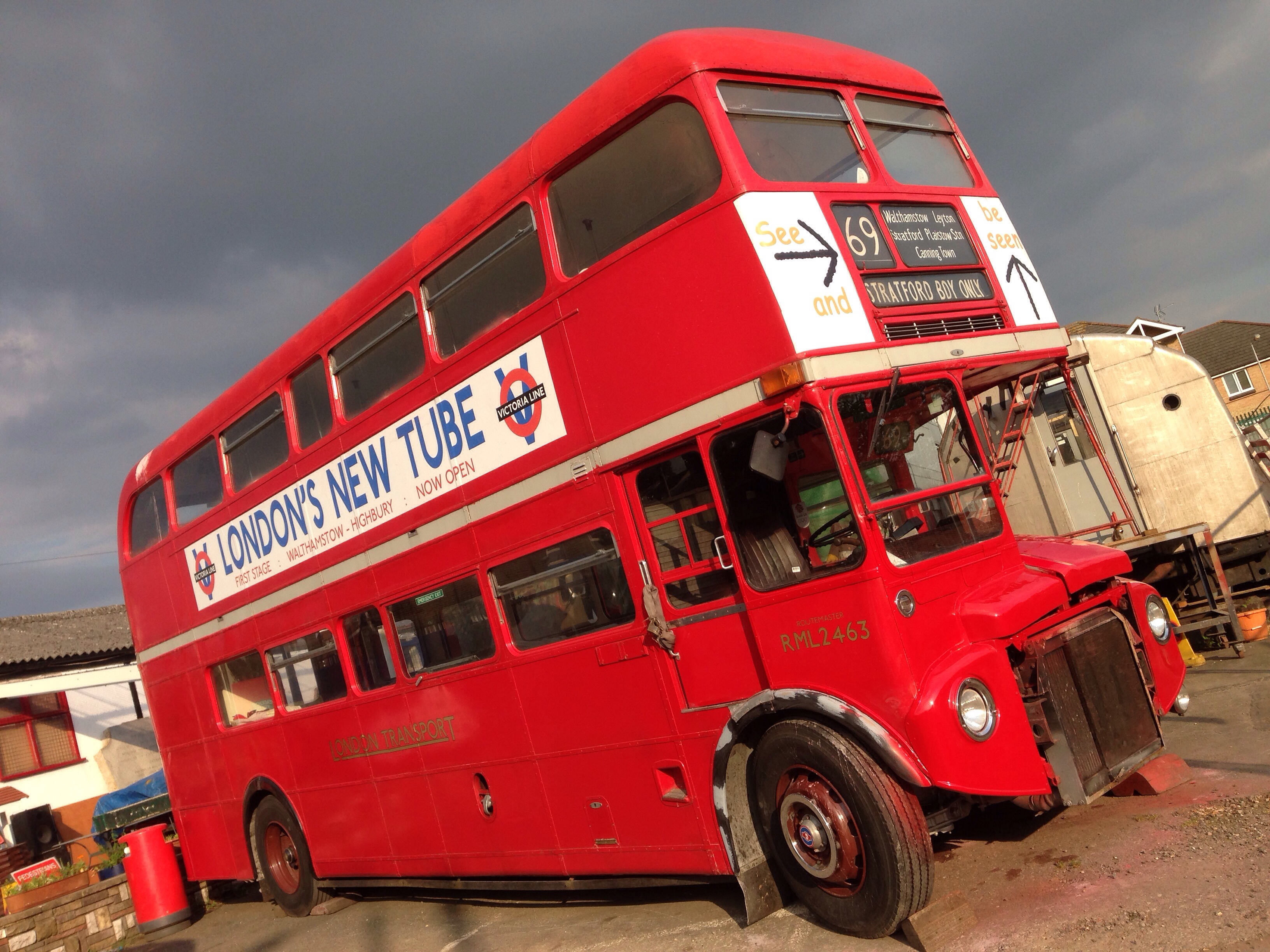
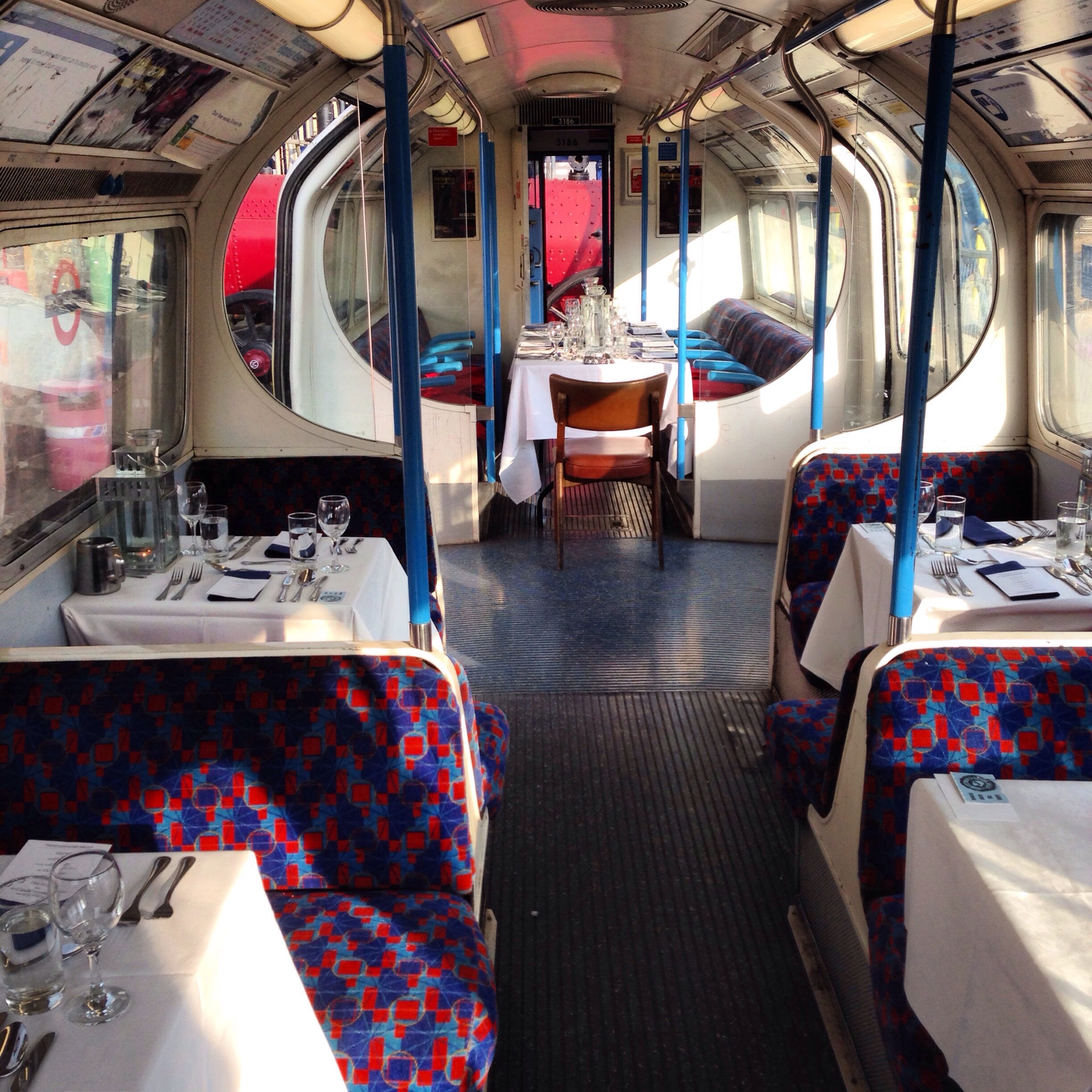
Whilst we walked from the Blackhorse Road tube station on the Victoria Line, I wondered where Natalie was taking me. We arrived, seemingly in the middle of nowhere, but the treasure trove of the (currently) closed Walthamstow Pumphouse Museum awaited. A miss match of semi restored London Routemaster buses, fire trucks, Bedford lorries and old military trucks greeted us, and our restaurant for this evening, a former Victorian Line tube carriage was parked up ready for boarding. This was a playground to be explored!

Not your standard restaurant entrance

Not your standard restaurant entrance

I won’t lie, when we arrived at the barbed wire gates behind which sat the skeletons of these trucks, trains and buses and Natalie proudly announced ‘We’re here!’ I was a little sceptical. I truly wondered where she had brought me. However as soon as the staff greeted us, we could tell we were going to be in for a unique experience and a great night.

It was a beautiful spring / summer evening as we milled around nursing a G&T and explored the yard of old relics. Chatting to a local enthusiast, we loved hearing all about his restoration projects with two Routemasters taking all his spare time. One had been ‘rescued’ and when he found it there was a tree growing off the back platform – he had his work cut out!

One of the Routemaster London buses currently being restored

One of the Routemaster London buses currently being restored

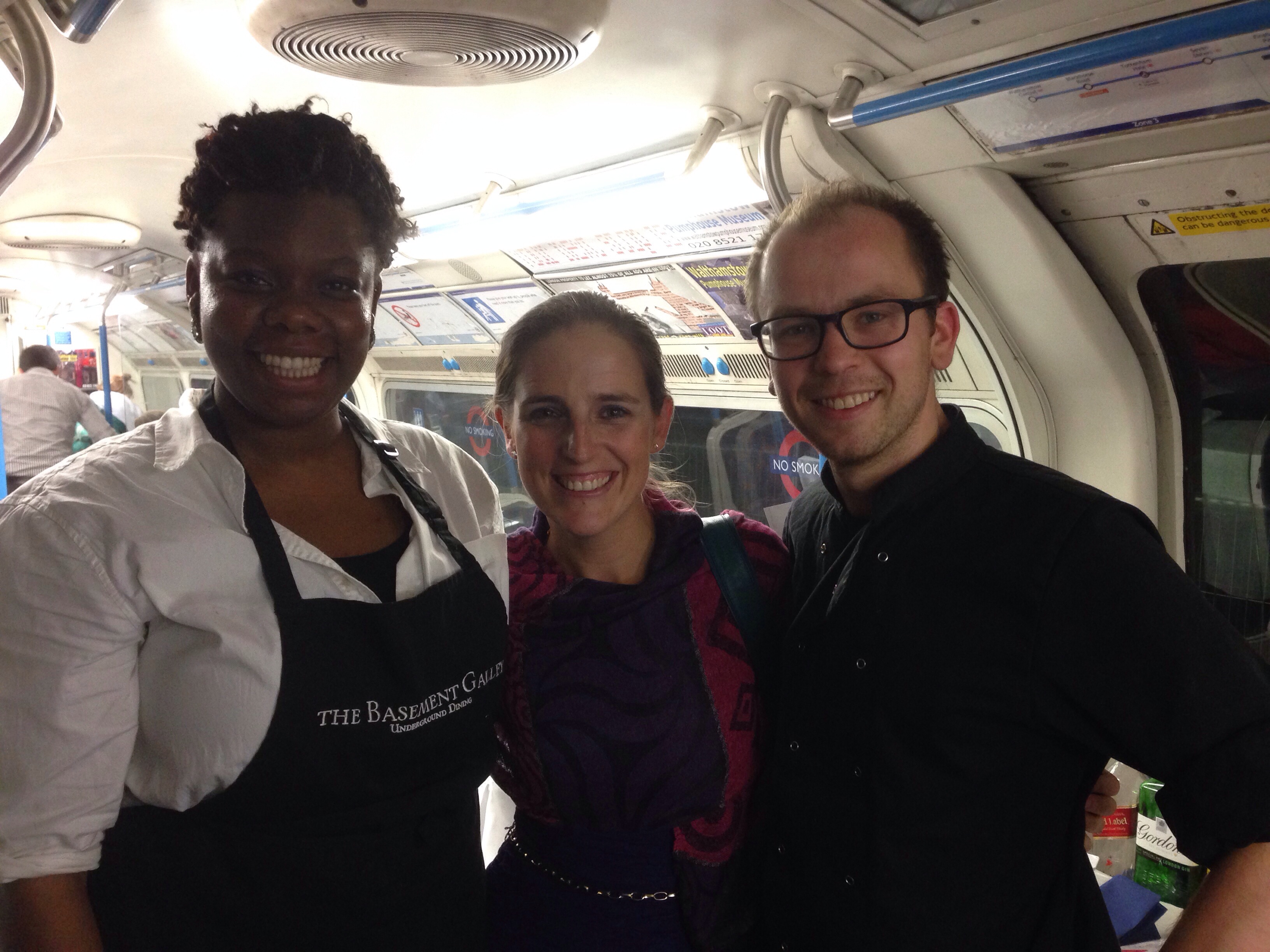
At just gone 7pm,we were invited to ‘mind the gap’ and board our tube carriage. Head Waiter Chi welcomed us to the Underground Supper Club before Head Chef Alex introduced himself and explained some of the history of the Basement Galley and the idea behind their pop up restaurants.

The tube carriage set for dinner

The tube carriage set for dinner

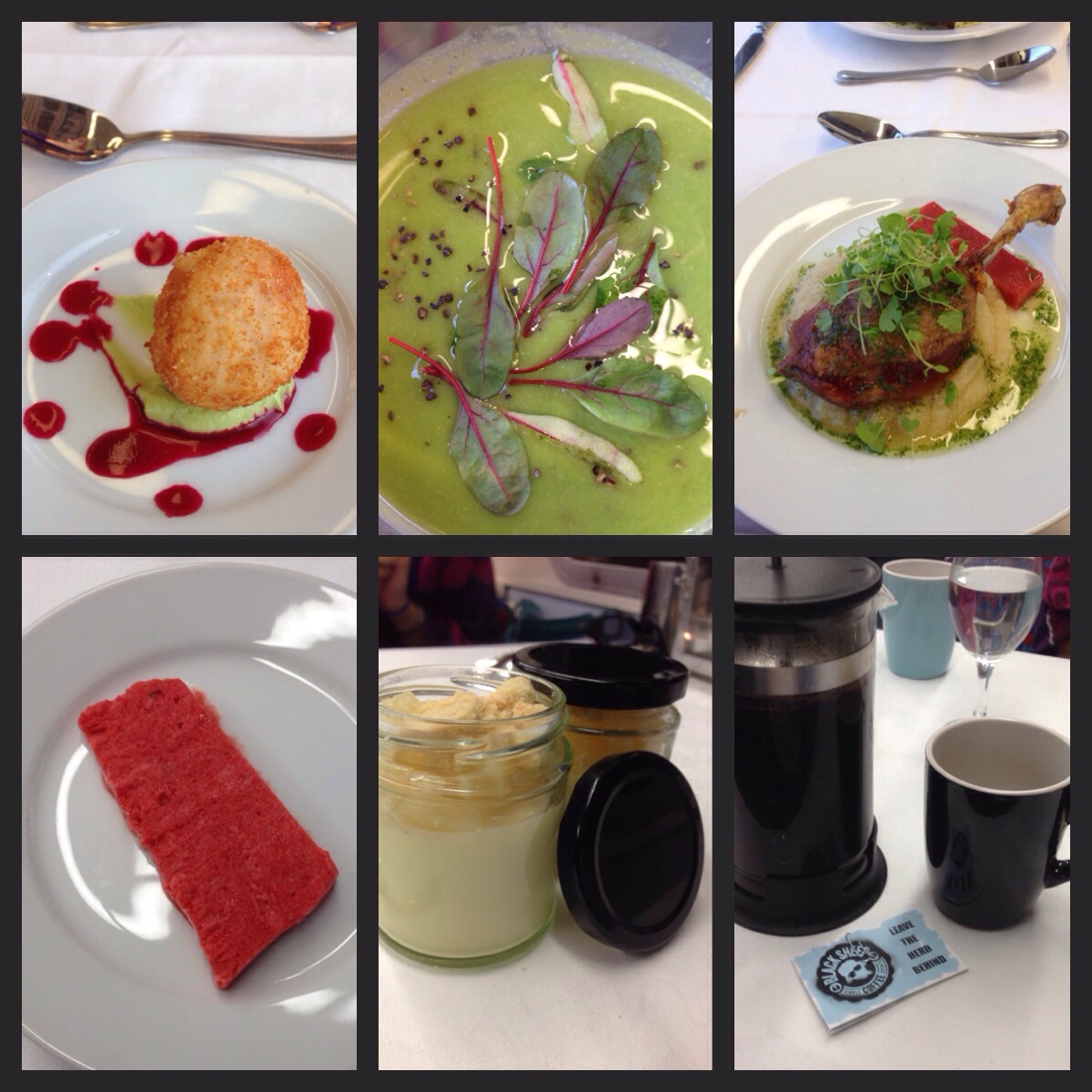
What followed was without doubt one of the most enjoyable dining experiences we have had in London. Five courses of Alex’s finest creations, with each course raising the bar, all set in the unique ambience of the tube.

Dinner is served...

Dinner is served…

The menu for these evenings changes monthly, with refinements made each time they host evenings. It was one of these experiences, much like the Melbourne Tram Car Restaurant, where you sit back and ‘think how did they produce this in that tiny kitchen’! Alex’s small team were busy bustling away in the museum cafeteria. The results of which would not have looked out of place in a Michelin-Starred restaurant. The joys of a supper club mean, generally speaking, you eat a set menu and mingle with other diners. Out of five courses the only thing Natalie and I left on our plates was the duck bone. Alex is a graduate of the Le Cordon Blue School in Paris and trained with some of France’s top chefs. Fuse this French cuisine with some Heston Blumenthal style ways of combining flavours, and the results were magnificent. Whoever knew that Green Pea soup could hold such hidden surprises (I can’t spoil the surprise!), that Kohlrabi made a great substitute for mash and that strawberry and black pepper are a match made in heaven, to name but a few.   The whole package was just brilliant, and we loved Alex’s idea of teaming up with other local specialities and business such as coffee served from local Camden coffee company ‘Black Sheep Coffee’.

Local Camden coffee provided by Black Sheep Coffee

Local Camden coffee provided by Black Sheep Coffee

The one thing that struck us was the incredible passion everyone had for their job. From the drinks and wait staff who mingled, chatted and appeared so proud to be involved, to the amazing food Alex and Christelle (Sous Chef) had created in the primitive museum cafeteria kitchen. That love and passion really shone through.

Head Waiter Chi, Natalie, and Master Chef Alex

Head Waiter Chi, Natalie, and Master Chef Alex

Now I know what you are thinking, how do we experience this for ourselves? Sadly the Underground Supper Club is coming to the end of the line. In two weeks time Alex and the team host their final weekend in the disused carriage. Following this they have some other exciting projects up their sleeve and plan to ‘pop up’ in other new settings around London.  Never has the term, ‘quit while you are ahead’ been so true. We can’t wait for their next restaurant to ‘pop up’! Our advice, if you haven’t done so already, is to sign up to the mailing list. Who knows where we may meet and in what unconventional setting in the future!

–       Dean and Natalie

You all know how much we love trains

You all know how much we love trains

P.S At the time of writing there were still some seats available for the final Friday evening of their last weekend (30th May 2014). You can buy your Travelcard for dinner here.


The Butler did it… Or did he? 

“Build a better mousetrap and the world will beat a path to your door” – Ralph Waldo Emmerson

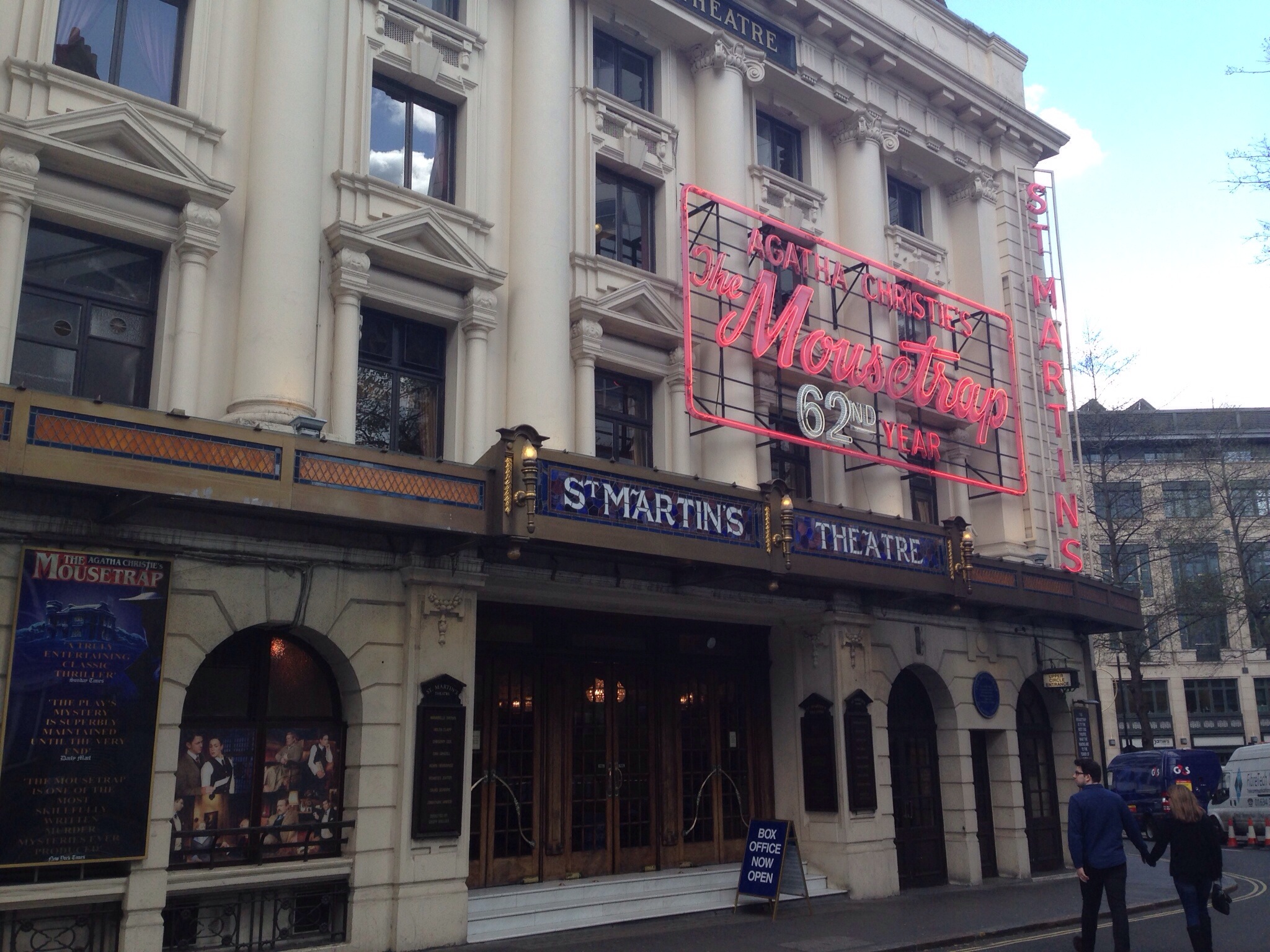
Well Ralph was not wrong! When locals and tourists alike discuss the London West End theatre scene, there is one performance that towers above all. Agatha Christie’s The Mousetrap.

Murder at The Mousetrap

Murder at The Mousetrap

Now this is not because of its incredible sets or the stunning choreography of an Andrew Lloyd Webber masterpiece, but for the plays sheer longevity.

This year The Mousetrap celebrates 62 years of performing in London.  This makes it the longest running play, not only in the West End but the entire World!

So with this in mind and as we continue to discover our amazing home town we decided it was time to pay our respects to this London institution.

Within minutes of the theatre darkening and the cast of characters being introduced, you could feel the tension and mystery build as if a thick cloud had descended over you. As with any Agatha Christie story The Mousetrap cast consists of an assortment of misfits and shady types, all with a hint of murder in their eye.

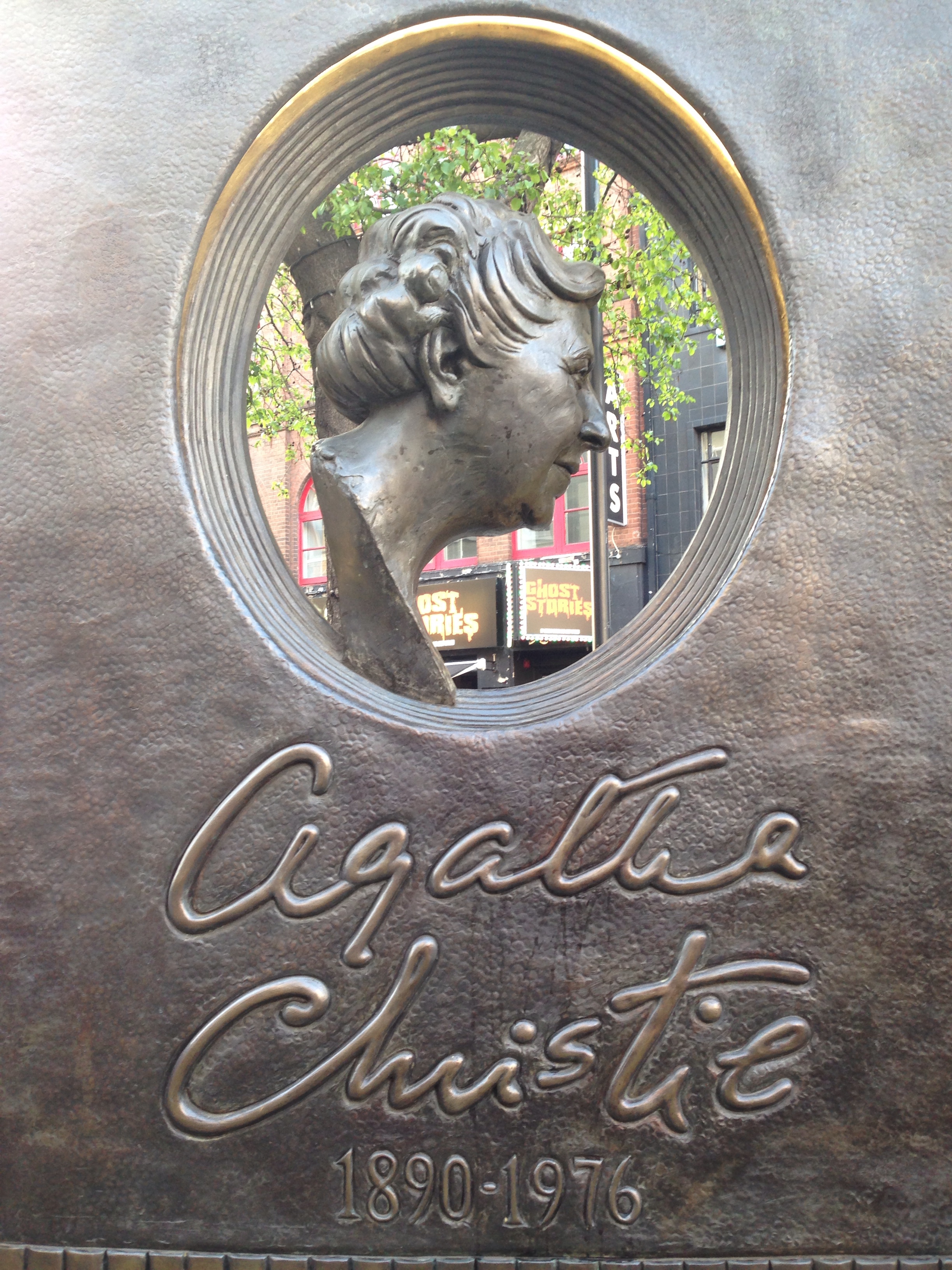
A worthy commemoration in the heart of the London theatre district

A worthy commemoration in the heart of the London theatre district

The first half builds up to its intriguing peak, and like any good soap opera or drama series you are left hanging as the curtains fall and the theatre ice cream sellers tempt you with their treats for you to ponder over.  As you see the ‘to be continued’ sign, you hear  your mind start whispering different conspiracy theories.

Unlike the good natured musicals that normally appear in the west end, intermission at The Mousetrap is totally different. Groups huddle together discussing in hushed tones who the likely murderer is and the case for and against each of the characters. As if accomplices to the murder itself, there are uneasy looks around the theatre, suspicious stares and the occasional “it has to xxx” wafting over the audience. The intermission almost adds to the rising intensity with the dark cloud of murder hanging over Monk Manor (the setting).  With ice creams finished, everyone quietly and watchfully takes their seat to see whodunit.

The second set is faster paced and even more tense than the first, with you sitting on the edge of your seat until the murder is revealed. Whodunit? Well we can’t say (and if we could, we wouldn’t as we want you to go and find out for yourself!).  At the conclusion of the performance the audience is sworn to secrecy to ensure the mystery of The Mousetrap lives on, but I can tell you it wasn’t the Butler!

Sure there are better shows out there, larger sets, bigger names and famous songs but there is something mesmerising about The Mousetrap. Others have tried, but no one had succeeded.   In Agatha Christies’s case she ‘built the better mousetrap’ and 62 years and over 25,000 performances proves that!

– Dean

The Mousetrap performs Monday to Saturday at 19:30 in Martins Theatre and afternoon performances on Tuesday (15:00) and Saturday (16:00).  Click here for more details. 


What have you got Two Loos?

Now here’s a question to get started, after all everyone needs to learn one piece of useless information every day…. What are Urilifts?

After our pledge to make the most of our hometown, we googled ‘quirky stuff to do  in London’.  Up popped a whole host of options, but before we knew it we had picked our favourite.  We found ourselves booking onto one of the more random options – The London Loo tour!  “You are doing what?” asked several of our friends.  “We are joining the London Loo Tour” we proudly responded!  

This was met with two main reactions from our friends.  Firstly why on Earth would you do it.  This was quickly followed with a… ‘but that sounds quite cool’!

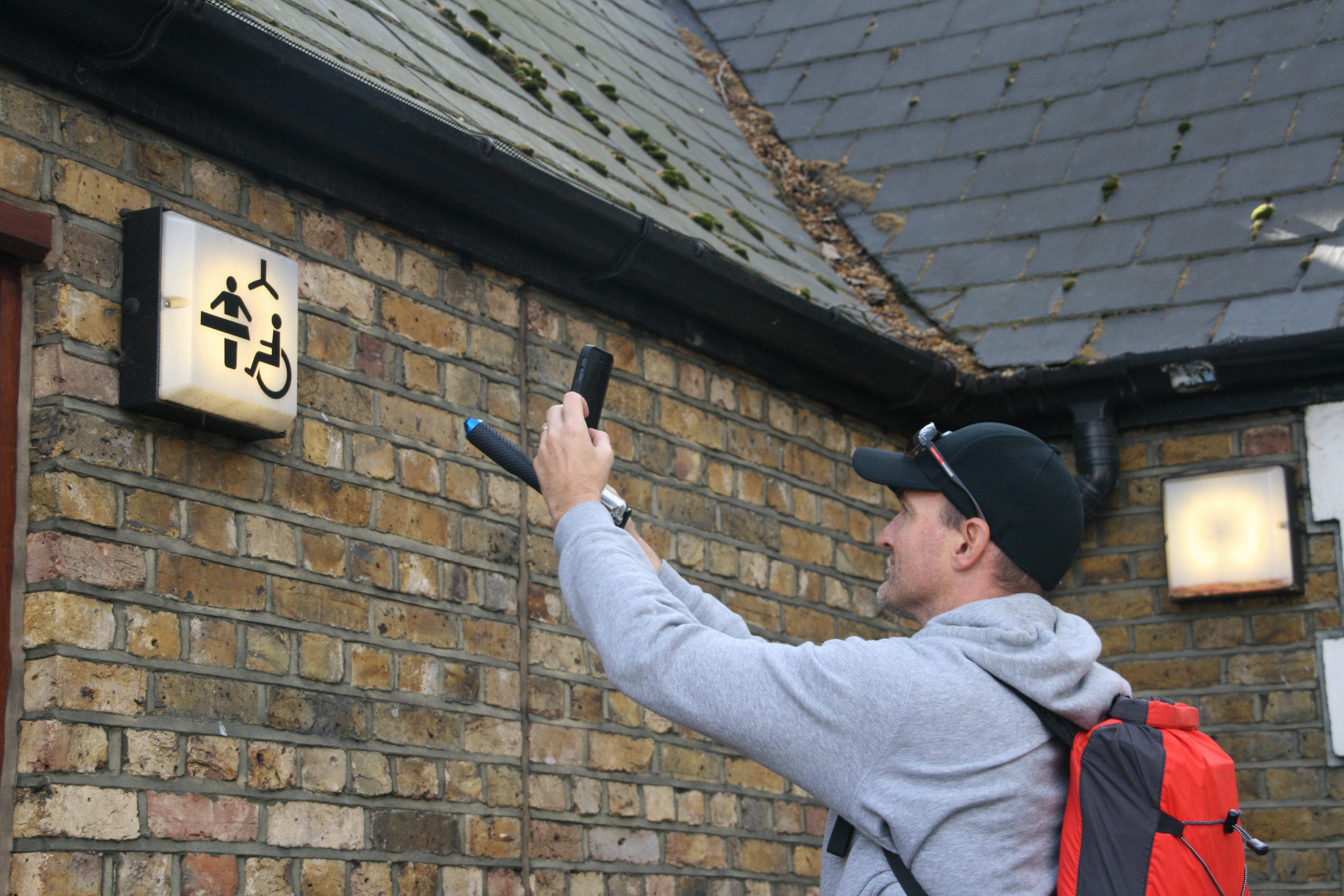
Armed with my big SLR camera (no one wants to miss that prize-winning dunny shot) we set off to meet Rachel, the self-proclaimed ‘Loo Tour Lady’ (LTL).  Rachel has quite possibly one of the most random job title ever, and you get the impression she loves it!  A former drama student, she guides you effortlessly through the U-bend of toilet trivia, and from here on in she will be referred to as ‘LTL’.


I've seen Dean take many photos before, but never of toilets!

I’ve seen Dean take many photos before, but never of toilets!

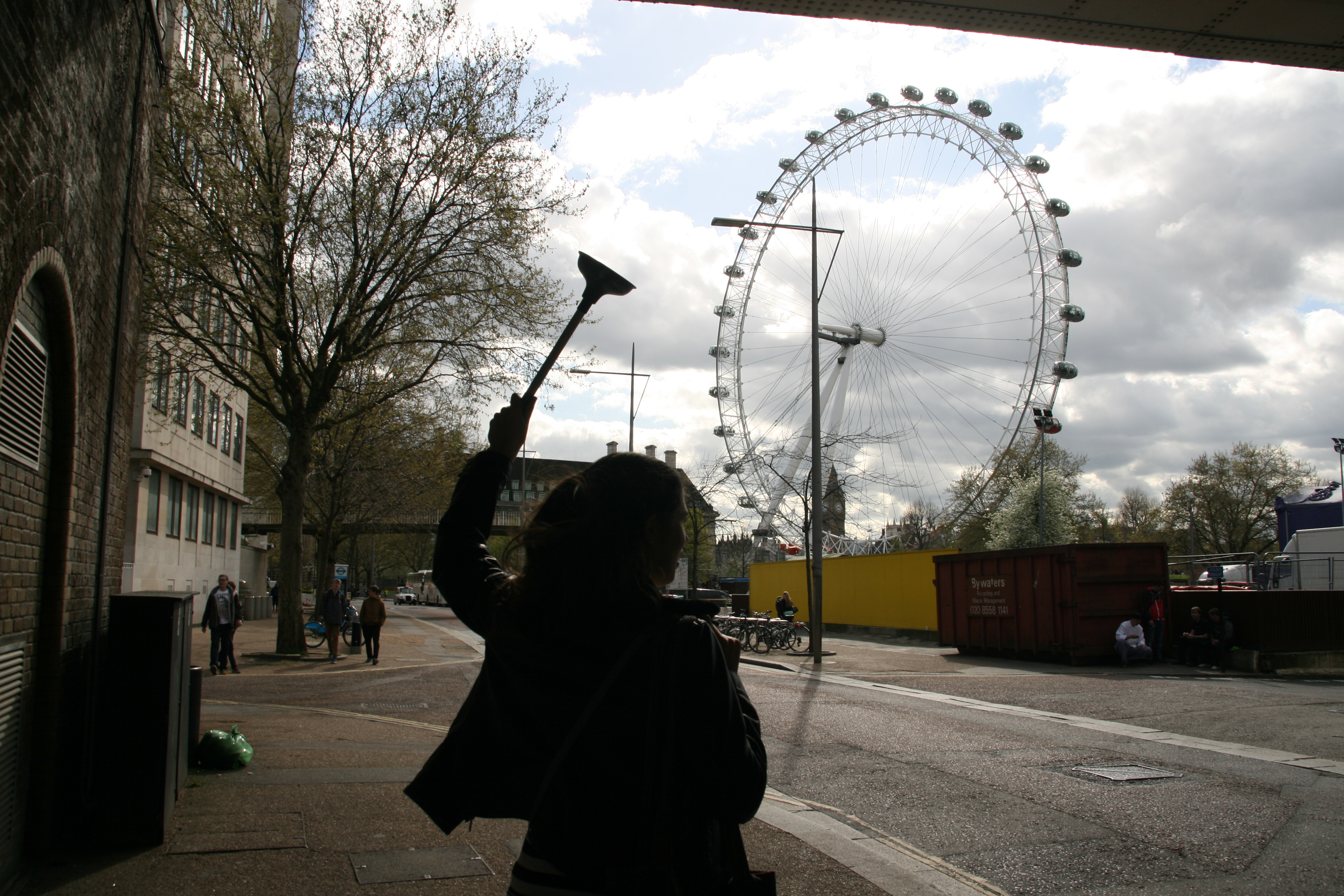
Although there are several tours on offer, we thought we would start with the original and the best –The Waterloo Tour (no pun intended).  This tour was set to last 1 ½ hours and provides practical trips for finding the best free loos in London, as well of course as the history of loos and lots of better-than bog standard jokes.  Cross-legged with excitement we met outside the toilets at platform 19 and the adventure began.  LTL, armed with her raised loo plunger held proudly in the air, walked us out of the station and we were off.  We were all very amused by the odd looks that we received and the double takes the plunger demanded!


Follow that plunger!

Follow that plunger!


Our first stop was to see the Royal Jubiloos….. opened along South Bank in honour of the Queens Jubilee.  These are pay toilets, but with Union Jack toilet seats, bins and mirrors they are well work the 50p entrance fee.  Of course being part of the London Loo Tour granted us VIP free access – just proving that there is nowhere the toilet plunger can’t reach!


A Royal occasion

A Royal occasion

It transpired that my keenness to find free public conveniences was shared with many in the group.  When you need to spend a penny you don’t want it to cost you a pound and I’m delighted to say LTL shared her top secret best haunts – both official and unofficial!  As a proud Londoner I thought I knew lots of the back roads, but as we wound our way through toilet-graffiti alleyways and discovered hidden parks I felt like I was rediscovering my own city, all whilst having several historical facts thrown in.  Who ever knew that I would find the history of the London sewer system so interesting…

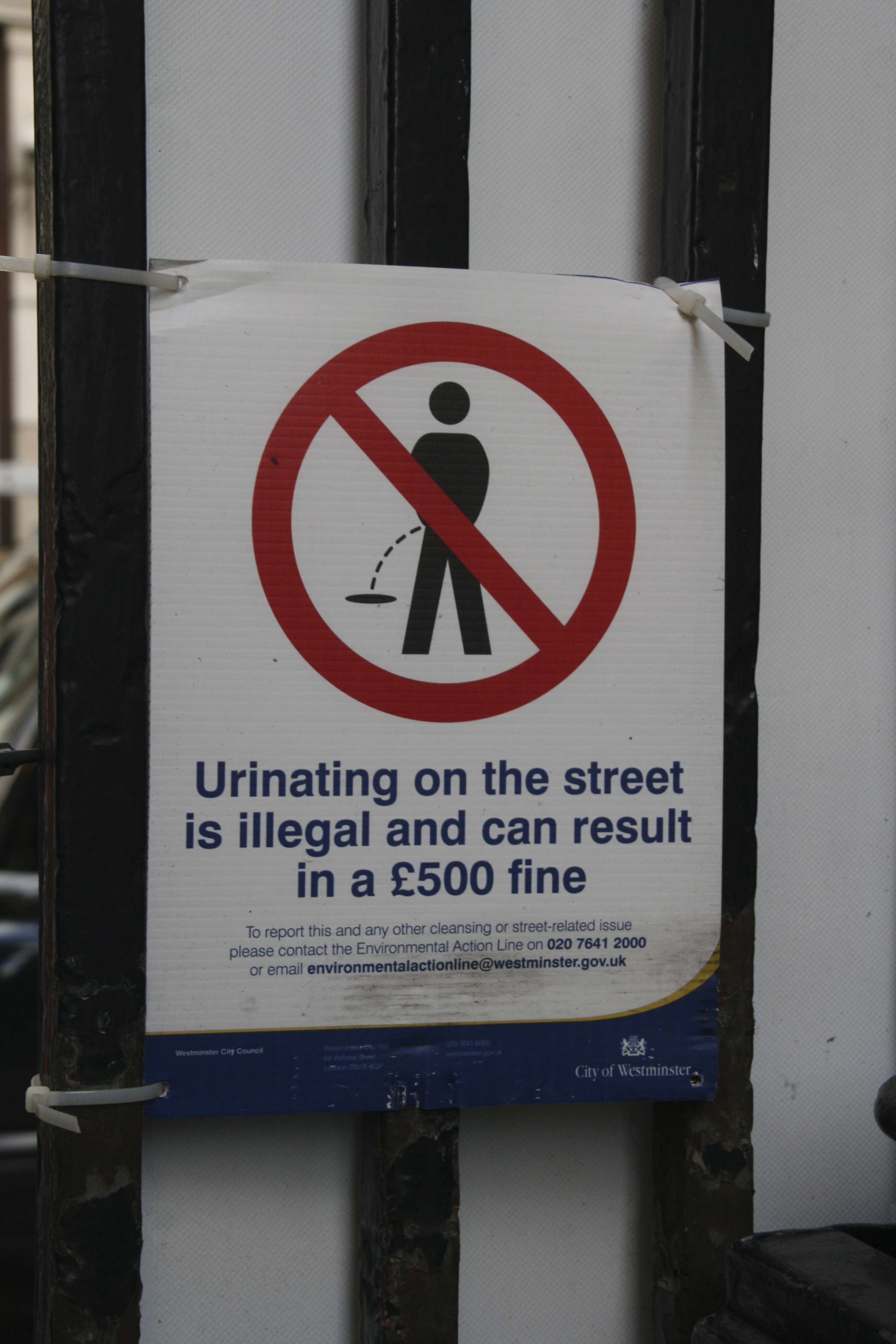
Now back to that question of the Urilift.  LTL told us how things are a bit inequitable with loos.  For men there are not only static WCs, but in an attempt to stop them watering the plants late at night, the powers that be have come up with better ideas.


Watch out guys...

Watch out guys…

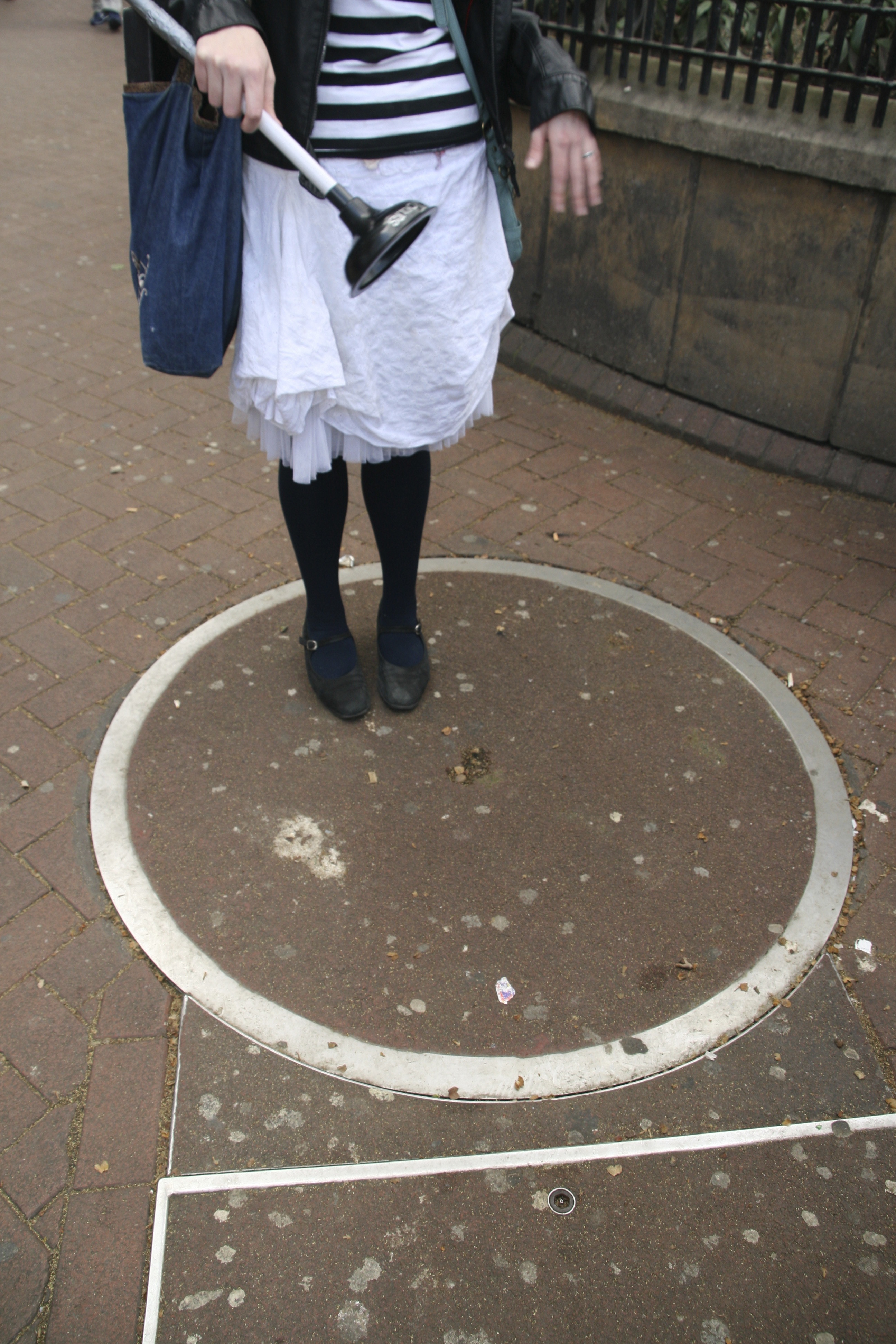
Perhaps my favourite of which is the Urilift.  When we saw it, it looked little more than a man-hole cover on the ground.  You have never seen us looking so excited as when we returned the following week and it had ‘popped up’ and was proudly stood in all its glory.  So bowled over by it were we, that we forgot to take a picture!  So instead I present to you the official Urilift website featuring the Urilift – Solution against street urination video….. It’s worth a watch if you, like us get excited by this concept!


The Urilift - for all your urination needs…. unless you are a woman!

The Urilift – for all your urination needs…. unless you are a woman!

All too soon our loo tour was up and where better than to finish than in a swanky bar that was once itself a public convenience.  You might think I haven’t included much about the tour here.  Well that’s the point.  We thoroughly enjoyed the walk, the wisdom of LTL but above all, her love of the most bog standard aspect of human existence.  We would urge anyone to go and found out all about the hidden gems of the London loo scene.  There are a choice of tours and I’d bet a flush on it that you won’t be disappointed!

–          Natalie, Toileteer

More information about the tours can be found on Rachel’s London Loo Tours site:  www.lootours.com

Chapter 14: Statistically speaking

“Don’t cry because it’s over, smile because it happened.”
― Dr. Seuss

So with bags to unpack, friends and family to see (and us being more keen on one of those activities than the other!) we’ve found ourselves with time to reflect on the last six months. Originally we’d planed to head off somewhere else for a few days before work beckoned, but it turned out we felt there was ‘no place like home’ to help settle us into every day life.

Part of these ponderings have led us to numbers… Along the way we tried to keep track of a few statistics. Some were easy as they printed them on tickets (I.e mileages) some harder. For example we were going great guns with keeping a tally of the number of religious establishments we’d been in… Until we got to Myanmar and we hit hundreds of temples (almost) a day so this one is a bit of a guesstimate!! But here we go with the more random account of our time away:

Total time away:  133 Days, 5 hours, 30 minutes and 15 seconds

Total time smiling:  133 Days, 5 hours…… the rest of the time was spent re-planning when our second train was part cancelled!

Number of Countries visited / passed through on this trip (look out for the ‘how to celebrate 100 countries blog in the future!):  16 – UK, France, Belgium, Germany, Poland, Lithuania, Latvia, Russia, Mongolia, China, Nepal, India, Malaysia, Myanmar, Australia, Philippines

Hottest Temperature:  38 degree Myanmar

Coldest Temperature:  -28 degrees Mongolia

Total mileage by train (excluding Metro / Underground systems): 19, 585km or 12, 170 miles

Total time on trains:  315 hours, 24 minutes or 13 days, 3 hours and 24 minutes

Total mileage by plane:  37, 192 km or 23, 110 miles

Total time in planes:  52 hours, 13 minutes (including flight with my Father-in-law)

Total mileage by bus / coach:  2768km or 1720 miles

Total time on coaches / buses: 63 hours and 45 minutes or 2 Days, 15 hours and 45 minutes

Total mileage driving through Mongolia and on The Friendship Highway in Tibet:  1245km or 774 miles

Total time on boats:  10 Hours Diving + 36 hours Yangtze Cruise + 1 hour on a rowing boat in Nepal

Cheapest Subway / Underground ticket:  7p – Delhi Metro

Cheapest Train Ticket:  75 Rupees (74p) – Gorakpour to Varanassi Junction (9 hour slow train!!!!!)

Cancelled Transport:  1 Plane,  1 train

Total time under water:  13 hours, 48 minutes (828 minutes)
Number of modes of transport:  14:  Car, Taxi, Train, Tuk-tuk, Bus, Coach, Hot Air Balloon, Paraglide, ATV (Quad Bike), Aeroplane, Metro / Underground, Boat, Horse and Camel

Number of temples visited:  122

Number of Churches visited:  21

Number of Monasteries visited:  33

Number of tigers spotted:  Zero!

Number of hours spent looking for tigers:  20 hours!

Number of falls on snow and ice: Dean 3, Natalie 1

Number of Delhi Belly attacks: Dean 2, Natalie 5

Number of parcels sent home:  Three

Number of Lonely Planets used:  Seven – Trans Siberian, Mongolia, China, Nepal, India, Myanmar, Philippines (yes very heavy!)

Number of currencies:  10 – Euro, Russian Ruble, Mongolian Tugrik, Chinese Yuan, Nepalese Rupee, Indian Rupee, Malaysian Ringt, Myanmar Kyat, Australian Dollar, Philippine Peso

Most expensive public loo:  ‘GUM’ Centre, Red Square Moscow – £2

Cheapest public loo:  Monkey Temple, Kathmandu – 3p

Great Train challenge UNO winner:  Natalie 56 : Dean 50

Weight of my rucksack:  13kg to start, 21kg at the end!

Best glass of champagne:  Moet and Chandon!

Number of photos taken: Don’t ask! (Dean was somewhere in the vicinity of 20,000)

Highlight of trip:  Mongolia, Tibet, Myanmar, our 2nd Wedding and diving in the Philippines… ok thats more than one!

I think it is fair to say that whilst these stats look fairly impressive here, anyone who has ever been on a long trip will tell you they all really merge into one over-arching thought when you get home.  It’s something I call the ‘Heathrow effect’.  This means that as soon as you touch down and walk through through arrivals doors, your whole trip dissolves into one big dream.  But what a mighty good dream it was….

– Natalie

Lights, Camera, Action!

Stop press, makeup! We are ready for our close up!

The Smart Way Round are on the TV!

It almost feels like forever ago we were riding through the wintery barren but stunningly beautiful landscape of Siberia aboard the world famous Trans Siberian Railway.

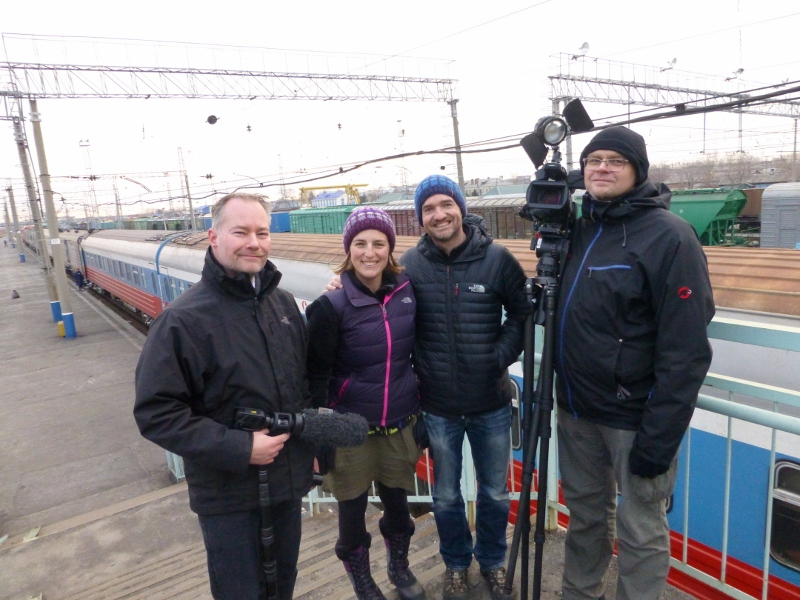
For those of you who followed our journey from the beginning you may remember we met Jean-Francois Belanger the Canadian CBC Moscow correspondent as we travelled from Moscow to Irkutsk. He was filming several short pieces for the lead in to the Sochi Olympics about life in Russia.  We spent a few days together talking about our travels.

With Jean-Francois from CBC and his cameraman Alexi

With Jean-Francois from CBC and his cameraman Alexi

As a journey progressed and we entered India the Winter Olympics began and we continually looked back at our time on the train and relived many of the stories. During this period we had some wonderful messages and emails from friends in Canada who had seen us on CBC and had started to follow our adventure, however we had yet to see our cinematic debut.

It is amazing how quickly times change and no sooner had the Olympics finished than the crisis in the Ukraine, along with Russia’s involvement, escalated. We couldn’t help but wonder just how hectic Jean-Francois’ life must have been over the last few months with everything that has been taking place.

So it was with great excitement that we received an email from him last week with a link to the short documentaries he filmed.

Jean-Francois and his Cameraman Alexi have done an incredible job of capturing what life is like aboard the Trans Siberian, not just regarding some of out experiences but also for those who work aboard. We hope you all enjoy it.

http://www.cbc.ca/news2/interactives/russia-train/ch1/ – The CBC page about the piece

Look out Hollywood here we come!

– Dean

Overcoming Your Fears: Learning to Dive

When Natalie and I first met, she was already an accomplished diver, while I had had neither the opportunity to learn or had the inclination. This was quite a surprise for Natalie because on the surface this should have been something that appealed to me. It wasn’t until we had been together for about 18 months that I seriously thought about learning to dive.

I was in Central America on my annual enforced hiatus from Europe to stay within visa regulations when I had the idea. “When I get to Mexico I am going to learn to dive,” I told Natalie over Skype one day. “Seriously?” was the response on the other end, “that’s awesome”. After promising I would take the plunge so to speak there, was no getting out of it. So upon arriving in Playa Del Carmen I searched around until I decided Phocea Mexico was the dive company to help open up this whole new World to me.

When most people think of learning to dive some of the common fears and concerns are things such as breathing underwater, or encountering rather large and somewhat hungry marine life. My fears were a little more personal. Having worn glasses or contact lenses since I was 18 my biggest fear was what would happen if I lost my mask, and the possibility of my contacts washing away. This had always played on my mind and reared its ugly head again when I first learnt to dive.

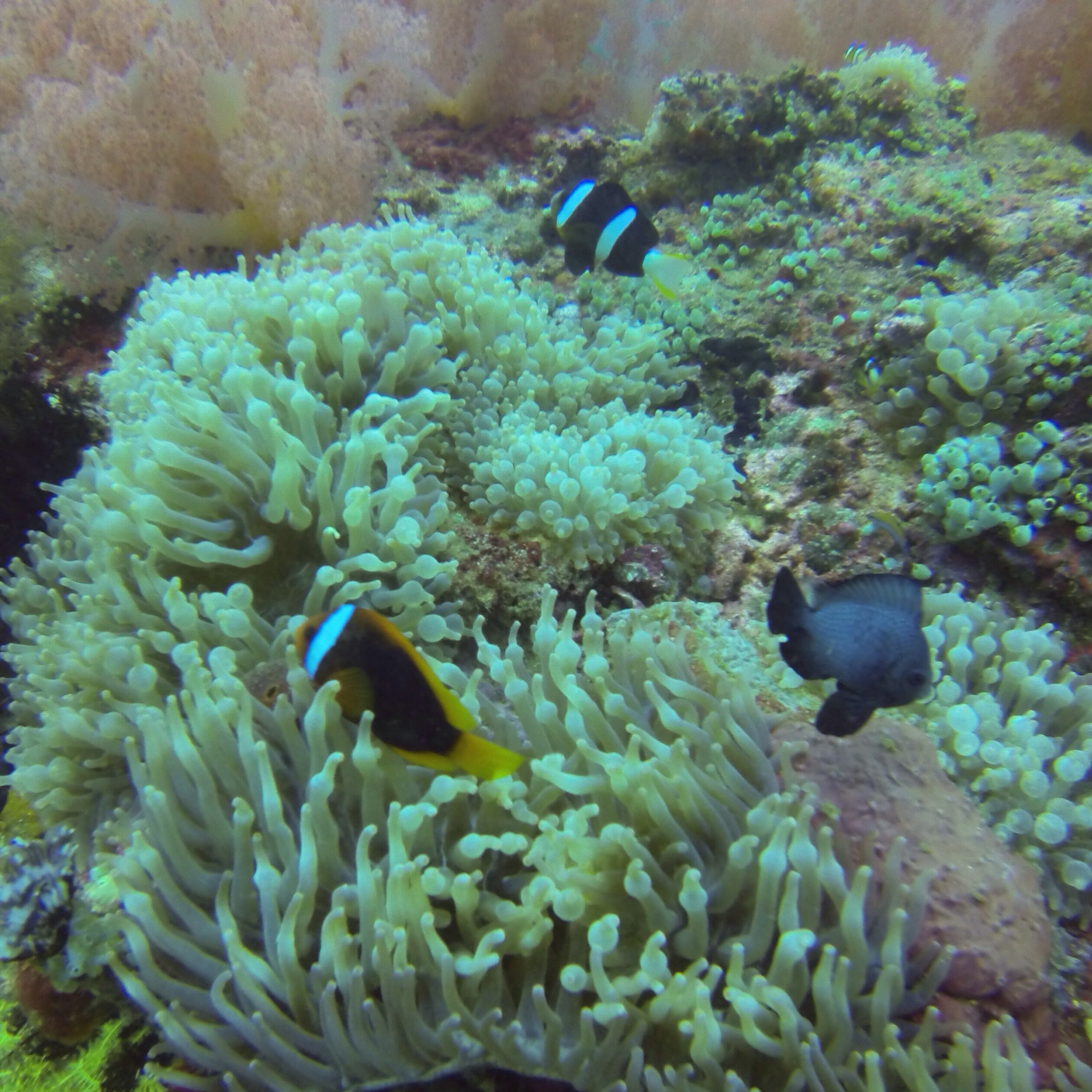
I found Nemo!

I found Nemo!

The PADI course was a great mixture of theory and practice, slowly building up your confidence and skill sets in between experiencing the wonders of life underwater. Initially we went through the basics in a large swimming pool, something that I hated. Every time we went under the surface I was engulfed in a sense of claustrophobia, doubts spinning around my mind that this was not natural or ‘normal’. Amazingly on our first dive in the open water I was totally at ease. There was no feeling of claustrophobia, no uncertainty just a feeling of peace and being at ease. The tests and procedures continued and I never did feel comfortable removing my mask and that fear of being nearly blind underwater was ever persistent in the back of my mind.
Completing my Open Water certification was an amazing feeling, I had overcome my doubts but more importantly a new world of travel experiences had opened up for me, and ones both Natalie and I could now share together. As with any new skill you master there is one very important factor in ensuring those new skills ‘stick’, and that is practice. Sadly after learning, Natalie and I had little to no opportunity to go diving. With wedding planning and numerous visas eating into our time, diving slid off into the background of priorities. Just over two years after learning we were able to spend a few days at the end of our honeymoon diving together for the first time. As we kitted up, the procedures and training I had received in Mexico quickly came flooding back and my excitement levels rose.

Most importantly for me during that two-year gap I had received laser eye surgery and no longer needed contact lenses or glasses, a huge boost to my diving ‘career’ and my confidence! The one thing that had made me nervous before every dive was now non-existent so there really was nothing to hold me back.

As we planned our recent adventure we had decided it would be a great way to finish with a relaxed, almost mini holiday / honeymoon in the Philippines, and the basis of this trip was to do some quality diving together. The nerves and apprehension that had once been there was now replaced with excitement. To refresh my skills and improve my diving I completed my Advanced Open Water Certificate. My confidence and ability underwater soared over the two weeks in the Philippines and I was slowly catching Natalie in air consumption (or lack of!) and buoyancy control.

Practice makes perfect

Practice makes perfect

As the saying goes, ‘practice makes perfect’, and it was so true with my diving. Control, manoeuvrability, buoyancy and breathing all became second nature down there and rather than constantly worrying about what I was doing I was now able to enjoy my surroundings.

Learning to dive really does open up a whole new world. From stunningly colourful coral to the intricately decorated tropical fish to schools of sardines that swim around in enormous schools as if controlled by some sort of collective consciousness, you certainly get a greater appreciation for just how amazing nature really is. The silence of life underwater is probably the most notable difference from life above the surface. For the most part all you hear is your breathing and the bubbles escaping your regulator. Over the last two weeks of our trip I was lucky enough to dive with turtles, hundreds of variety of fish and even see my first sharks!

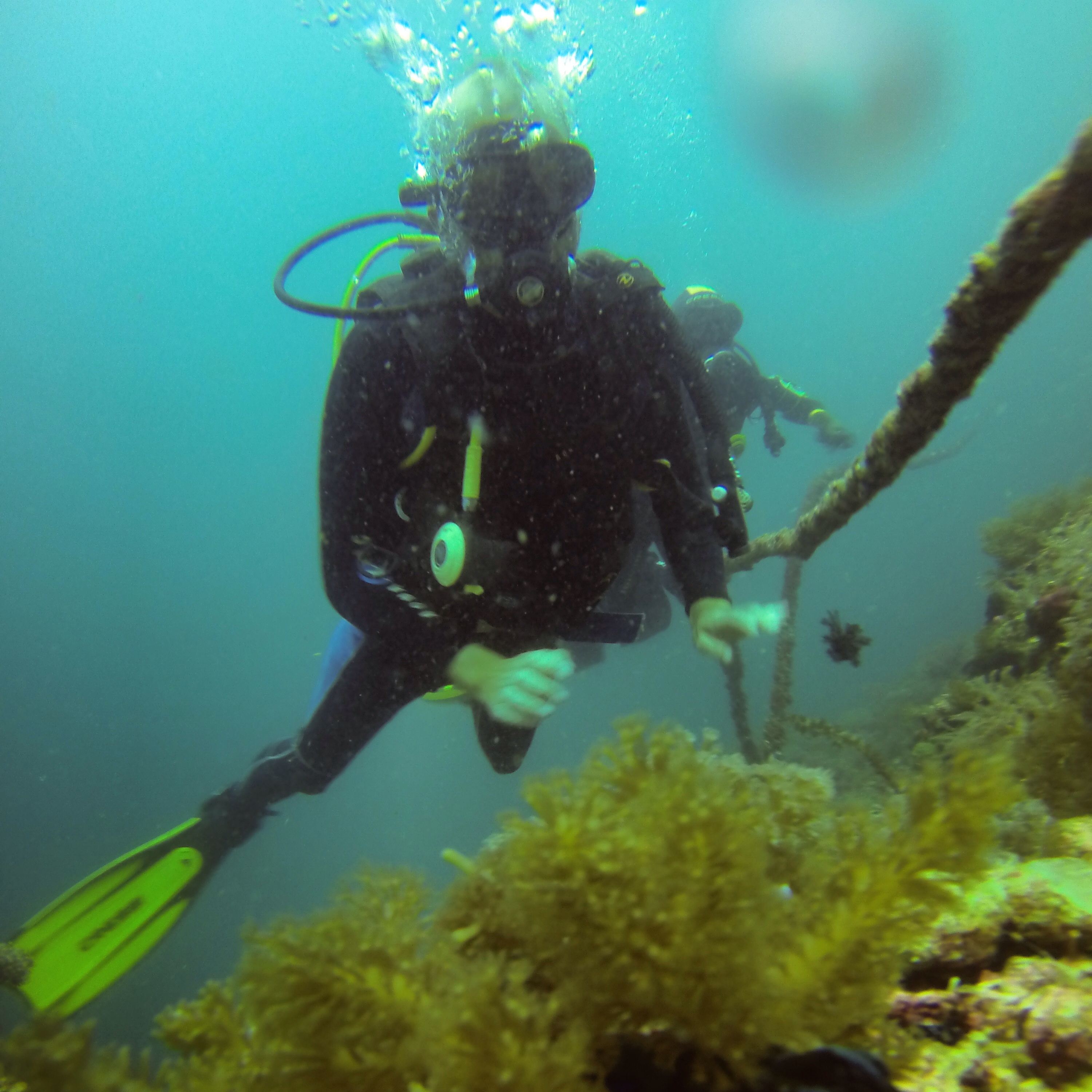
Looking like a pro!

Looking like a pro!

The beautiful thing about travelling is you are constantly challenged and given the opportunity to overcome your fears. Whether it is bungee jumping, skydiving, mountain climbing, or in my case learning to dive, the opportunities are almost always there when you travel. However, if you do challenge yourself and do something you would never have dreamt of back home, you may just discover a new hobby or new passion that will enhance future travels. That is what happened to me, I love diving and cannot wait until our next underwater adventures.


– Dean